Choosing a Hair Styler for Thick, Wavy and Frizz-Prone Indian Hair
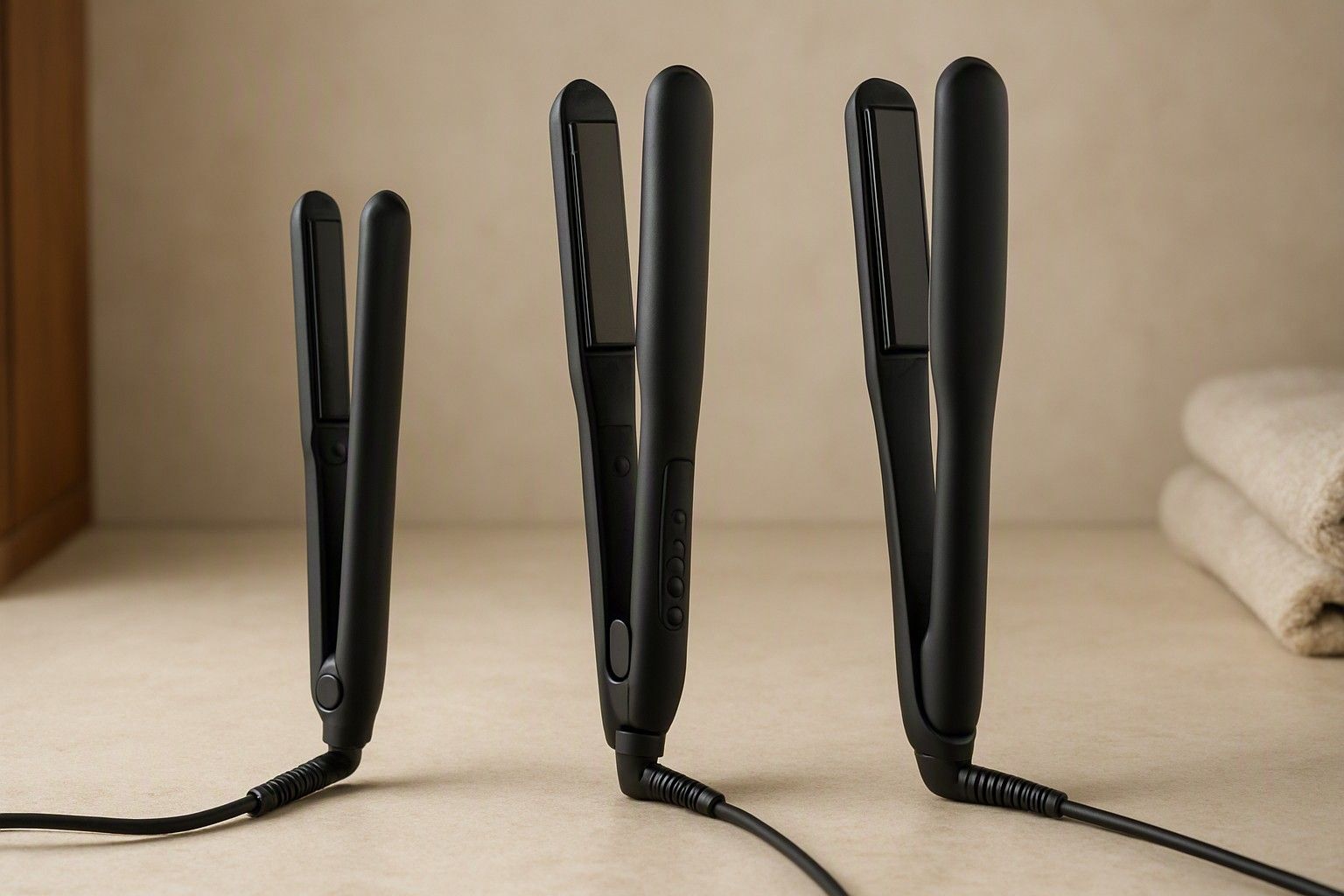
If you've ever wondered why a hair styler that works beautifully for a friend leaves your hair half-styled and frizzy by the time you step outside, texture is usually the reason. Indian hair is, on average, thicker and coarser in strand diameter than the hair types most imported styler designs are tuned for, and the humidity across most of the country adds a second layer of difficulty that flat, dry climates simply don't face. This article walks through exactly which styler specs matter for thick, wavy and frizz-prone hair so you can compare options with a clear sense of what you actually need, not just what's marketed hardest.
Why Thick and Coarse Hair Needs Higher Heat and Wider Plates
Thick, coarse hair has more mass per strand and more strands per section, which means heat has to travel further to actually change the hair's structure rather than just warming the surface. A styler with weak wattage or a low maximum temperature will need repeated passes on thick hair, and repeated passes on the same section is what actually damages hair, not a single pass at the right heat. This is why thick-haired users consistently need appliances with higher wattage output and a maximum heat setting on the higher end of what's available, rather than a mid-range setting that works fine on fine or medium hair.
Plate width matters just as much as heat. A narrow plate, built for precision on fine hair or short fringes, forces you to section thick hair into many small subsections, which extends styling time and means the earlier sections have cooled and reabsorbed moisture from the air by the time you finish the later ones. A wider plate covers more hair per pass, cutting down total styling time and reducing how long any one section sits exposed. For most thick-haired Indian users, this combination of adequate wattage and a wider plate is the actual difference between a styler that works in one session and one that needs constant touch-ups through the day. It's worth checking both specs together rather than treating wattage as a standalone indicator of power, since a high-wattage unit with narrow plates still struggles on genuinely thick sections.
Managing Frizz in Humid Indian Climate
Frizz isn't really a hair problem, it's a moisture problem. Coarse and wavy hair has a raised cuticle layer that lets ambient moisture in more easily than smooth, straight hair does, and in humid Indian conditions that moisture absorption starts working against your style within minutes of leaving the house. This is why the same styler that gives a smooth, frizz-free finish in a dry climate can look half-undone in coastal or monsoon-season humidity, even when used correctly.
The practical answer is a styler that seals the cuticle rather than one that just reshapes hair temporarily. Ceramic and tourmaline-type plate coatings help distribute heat evenly and reduce the friction that roughens the cuticle further, which in turn slows how fast humidity creeps back in. Ionic technology, where available, also helps by neutralising the static charge that makes frizz stand out visually, though it works alongside good heat distribution rather than replacing it. None of this means a styler can make hair humidity-proof for the whole day; it means the right plate coating and even heat can meaningfully extend how long a style holds before frizz returns. If you live somewhere humid for most of the year, this is a bigger factor in your decision than brand reputation or design, and it's worth prioritising over cosmetic features every time.
Fine vs Thick Hair: Matching Wattage and Plate Width
It helps to think of wattage and plate width as a matched pair rather than two separate specs to optimise independently. Fine or thin hair styles well at lower wattage and narrower plates because it heats through quickly and doesn't need much force to hold a shape; pushing high heat onto fine hair mostly just causes damage without adding styling benefit. Thick hair sits at the other end of that same spectrum, needing both higher wattage and wider plates to style efficiently, as covered above.
Where this gets confusing for buyers is that price and wattage don't always move together in a straight line. You'll find capable options across the ₹700, ₹2,500 and ₹8,000 tiers, and a higher price alone doesn't guarantee the wattage or plate width your hair type needs, it often reflects finish, brand, or added features instead. The average price point of ₹2,500 sits in a range where reasonably specced stylers for thick hair are available, but it's worth checking the actual wattage and plate width figures on the listing rather than assuming a mid-range or premium price implies the right spec for coarse hair. To go deeper on how plate coating interacts with temperature settings once you've matched wattage and width to your hair type, it helps to understand how plate material and heat control affect results, since the two specs work together rather than in isolation.
Short vs Long Hair Considerations
Hair length changes what you need from a styler almost as much as thickness does. Short hair, or hair styled mainly at the crown and fringe, benefits from a narrower plate that can manoeuvre in tight sections without catching too much hair at once, and doesn't usually need the highest wattage tier since there's less mass to heat through in any single pass. Long, thick hair is the opposite case: wide plates save real time here because each pass covers a longer section, and higher wattage matters more because heat needs to carry through more length without the ends of the plate cooling before the pass is complete.
There's also a practical handling angle that often gets overlooked. Longer, thicker hair means more time with the appliance in hand, so weight and grip comfort start to matter for wrist strain in a way they don't for a five-minute fringe touch-up. Cord length and swivel also matter more for long hair, since you're working through more sections and need to move around the head without the cord pulling or tangling. None of this changes the core heat and plate-width logic from earlier, but it's a reason two people with the same hair thickness might reasonably choose different plate widths if one has chin-length hair and the other has hair past the waist. Matching the styler to both thickness and length together gives a more accurate picture than looking at either factor alone.
Which Styler Type Fits Your Texture
Not every styler category handles thick, wavy, frizz-prone hair equally well, and the format itself, straightener, curling iron, or multi-styler, changes how much control you have over heat and plate contact. A flat iron with adjustable high heat and wide plates is generally the most direct route to controlling frizz on thick hair, since full plate contact means even heat distribution across the section. Curling and waving tools work differently, relying more on barrel diameter and even heat retention than plate width, which matters if your texture is naturally wavy rather than straight and you're looking to define curls rather than eliminate them.
Multi-stylers with interchangeable attachments can be a reasonable middle ground if you switch between styles often, but they sometimes compromise on the wattage or plate width dedicated to any single function compared to a tool built for just one job. For thick, frizz-prone Indian hair specifically, the format matters less than making sure whichever type you choose has adequate heat output and, for straighteners, wide enough plates for your hair volume. If you're still unsure which category actually suits your styling routine before comparing specs within it, it's worth taking a moment to revisit what each type of styler is designed for, since matching format to purpose comes before matching specs to hair type.
Thick, wavy or frizz-prone hair in Indian conditions needs a specific combination, adequate wattage, wider plates, and heat-distributing plate coatings, more than it needs a particular brand or price bracket. With prices spanning ₹400 to ₹45,000 and capable options sitting across ₹700, ₹2,500 and ₹8,000, you don't need to chase the top of the range to get the right spec, you need to check that the wattage, plate width and heat settings actually match your hair's thickness, length and the humidity you're styling in. That's the real answer to which styler works best for thick Indian hair, and it's a decision you can make confidently now with the specs in front of you.

Comments
Be the first to comment.