Mattress Trial Periods, Warranty and Sagging Explained
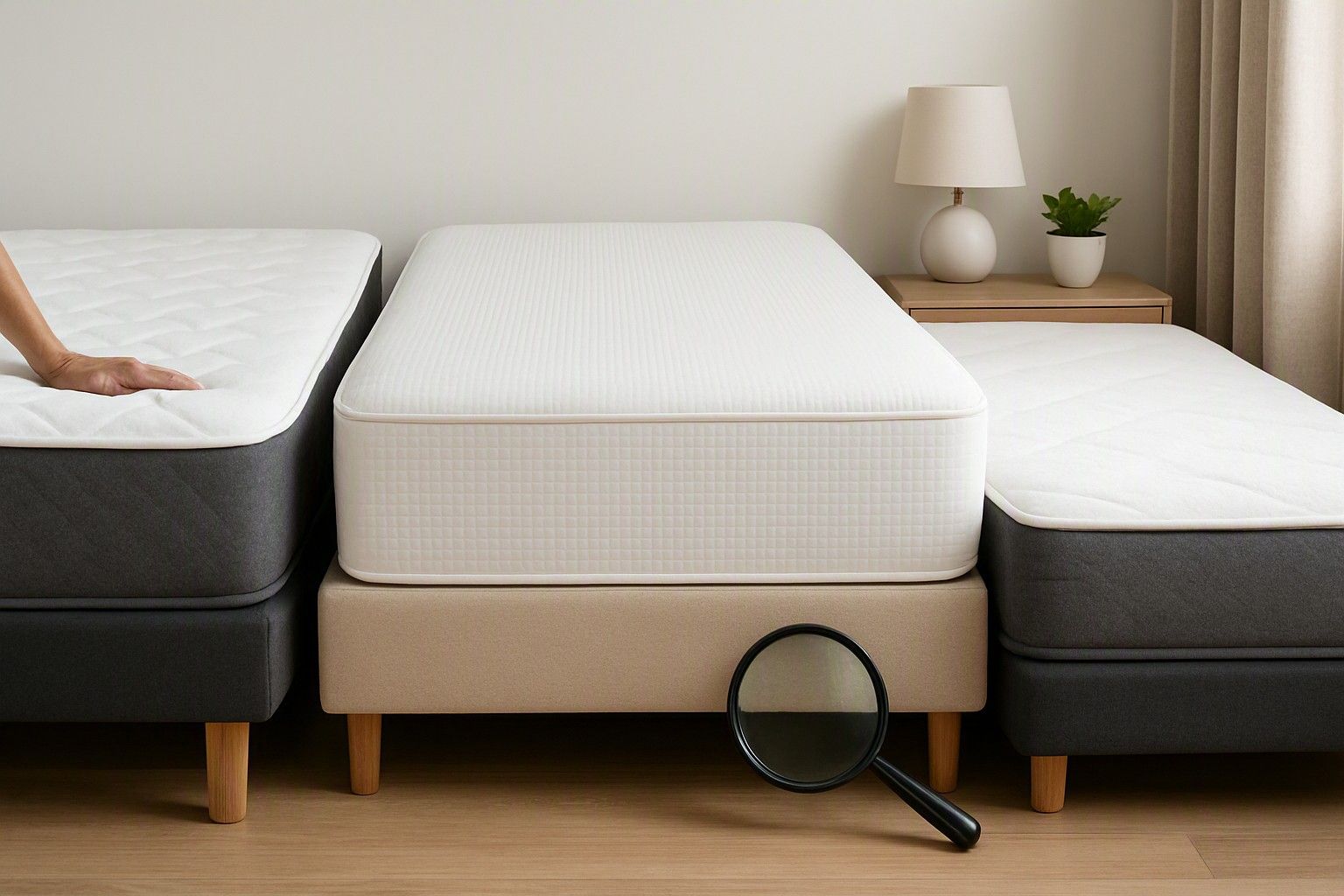
Buying a mattress online means committing to something you can't lie down on first, which is why trial periods, warranty terms and sagging clauses matter more here than for almost any other home purchase. If you're close to placing an order and want to know exactly what's covered, what isn't, and how to tell a genuine long-term mattress from one that will dip in eight months, this is the section to read before you check out.
How Sleep-Trial Periods Really Work in India
Most mattress brands selling online offer a sleep trial ranging from roughly 30 to 100 nights, and the number itself matters less than the conditions attached to it. A trial period is not a browsing window — nearly every brand requires you to actually sleep on the mattress for a minimum number of nights, often 10 to 15, before you're allowed to request a return. This exists because a new mattress genuinely feels different for the first week or two, especially if you're moving from an old sagging one or switching firmness levels, and brands use this minimum-use clause to filter out impulse returns.
Read the trial terms for exclusions before you buy: mattresses used without the recommended base, without a mattress protector, or that have visible stains typically fall outside the trial's coverage, so keeping the sleep surface clean from day one protects your ability to return it later. Some brands also cap the trial to one exchange or return per household, and a few restrict trials to specific pin codes or serviceable areas, which matters more for buyers outside metro cities. Given prices in this category span ₹2,500 to ₹85,000 with most models sitting around ₹12,000, a genuine trial period is one of the few ways to de-risk a purchase you can't physically test beforehand, so treat the fine print as seriously as the price tag itself.
What Mattress Warranties Cover and Exclude
Mattress warranties in India typically run anywhere from 5 to 10 years, but the headline number is almost always a manufacturing-defect warranty, not a comfort or performance guarantee. This means the warranty protects you against issues like foam delamination, broken coils, or fabric coming apart at the seams under normal use — not against the mattress simply feeling less supportive than it did on day one. Buyers often assume a 10-year warranty means the mattress will still feel new at year nine, which is rarely the promise being made.
Most warranty documents also include a sagging threshold, commonly stated as a depression of a certain depth measured under specific conditions, and only sag beyond that threshold is treated as a defect. Warranties are usually void if the mattress hasn't been used with an approved base or slats, if it's been folded or stored incorrectly, or if there's visible water or stain damage, so how you use the mattress day to day directly affects whether a claim will be honoured. It's also worth checking whether the warranty is prorated — some brands reduce the compensation percentage as the years pass, so a 10-year warranty might only fully replace the mattress in year one or two, tapering down after that. Since mattresses in this category range from ₹4,000 entry models to ₹35,000 premium builds, matching your expectations to what the warranty actually guarantees, rather than what the years-number implies, avoids disappointment later.
Understanding Sagging and Sag-Depth Claims
Sagging is the single most common reason buyers raise a warranty claim, yet it's also the most misunderstood term in mattress shopping. A small amount of body impression — a shallow contour where you regularly sleep — is normal and expected in almost any foam or hybrid mattress within the first year, and it is not automatically a defect. Brands define sagging as a depression measured in centimetres beyond a stated threshold, commonly used as the cutoff between normal settling and an actual warranty-eligible fault, and anything shallower than that line is considered cosmetic, not structural.
How quickly a mattress reaches that threshold depends heavily on the core material and density. Lower-density foams compress faster and develop visible body impressions sooner, particularly in the ₹2,500 to ₹4,000 price band where thinner, lighter cores are common. Pocketed-spring and higher-density foam hybrids generally resist sagging longer because the support layer distributes body weight across more contact points rather than compressing uniformly in one zone. To check for genuine sagging rather than normal settling, measure the depression with a straight edge and ruler after the mattress has been unweighted for a few hours, since body heat and moisture can temporarily exaggerate the dip. If the reading exceeds the threshold stated in your warranty document and doesn't recover after airing the mattress out, that's the point at which a claim is worth filing rather than assumed.
Return, Pickup and Refund Realities
Once a return is approved within the trial window, the practical process still has a few steps that catch buyers off guard. Pickup is usually arranged by the brand's own logistics or a courier partner, and it can take anywhere from a few days to over a week to schedule, especially outside metro cities, so factor in that the old mattress will need to stay usable or stored somewhere in the meantime. Some brands require the mattress to be repackaged in its original cover for pickup, which is difficult once it's been unrolled and expanded, so ask about this requirement before you unpack rather than after.
Refunds are typically processed to the original payment method only after the returned mattress passes an inspection for damage, stains, or odour, and this inspection can take another several days on top of the pickup itself. A full refund is common for straightforward trial returns, but if the return is being made outside the trial window under a warranty claim, many brands offer a replacement or a prorated credit rather than cash back, which is a meaningfully different outcome to expect. Ask upfront, before ordering, whether returns attract any deduction for the trial period used, and get the pickup and refund timeline in writing if it isn't already stated in the brand's return policy, since verbal assurances at the point of sale don't hold up if a dispute arises later.
How Material Choice Affects Long-Term Durability
The trial period and warranty only matter as a backstop — the real protection against sagging and premature wear comes from choosing the right core material in the first place. Memory foam, latex, pocketed spring, and hybrid constructions age very differently under the same body weight and usage pattern, and some are simply built to hold their shape for longer than others regardless of what the warranty document promises. A mattress that's prone to early sagging will test your warranty's patience within the first couple of years, while one built on a more durable core may never need a claim at all.
Density, layer thickness, and how the support core is engineered all influence how long a mattress stays flat before it starts showing a dip, and these differences are far more predictable than relying on a warranty claim after the fact. If you want to understand which constructions sag sooner and which hold their shape before finalising a choice, that comparison lays out how each core type behaves over years of regular use, not just in the showroom or during the first few nights of a trial. Picking the right material upfront, rather than betting on the warranty to fix an early sagging problem, is the more reliable path to a mattress that still feels right well past the trial window and into the years the warranty is meant to cover.
Checking Protection Before You Commit
Before you finalise an order, run through a short checklist: confirm the trial length and its minimum-nights clause, note the sagging threshold stated in the warranty, check whether the warranty is prorated, and get the return-and-refund timeline confirmed in writing. These four checks take a few minutes and matter far more than the headline warranty-years number that most listings lead with.
With prices across this category running from ₹2,500 to ₹85,000 and averaging around ₹12,000, the trial and warranty terms are effectively part of what you're paying for, not a free add-on, so they deserve the same scrutiny as the mattress specifications themselves. If you haven't yet worked through the full purchase decision, it's worth going back to fold trial and warranty checks into your final buying decision, so that firmness, budget tier, and post-purchase protection are all weighed together rather than one being an afterthought once the order is already placed.
With the trial window's real conditions, what the warranty does and doesn't cover, and how to tell normal settling from genuine sagging all laid out, you're now positioned to buy without guessing at the fine print later. The mattress that suits you best is still a matter of firmness and body type, but the protection around that choice — trial, warranty, and how sagging gets judged — no longer needs to be a question mark before you check out.
Comments
Be the first to comment.