How to Choose a Smart Weighing Scale for Indians
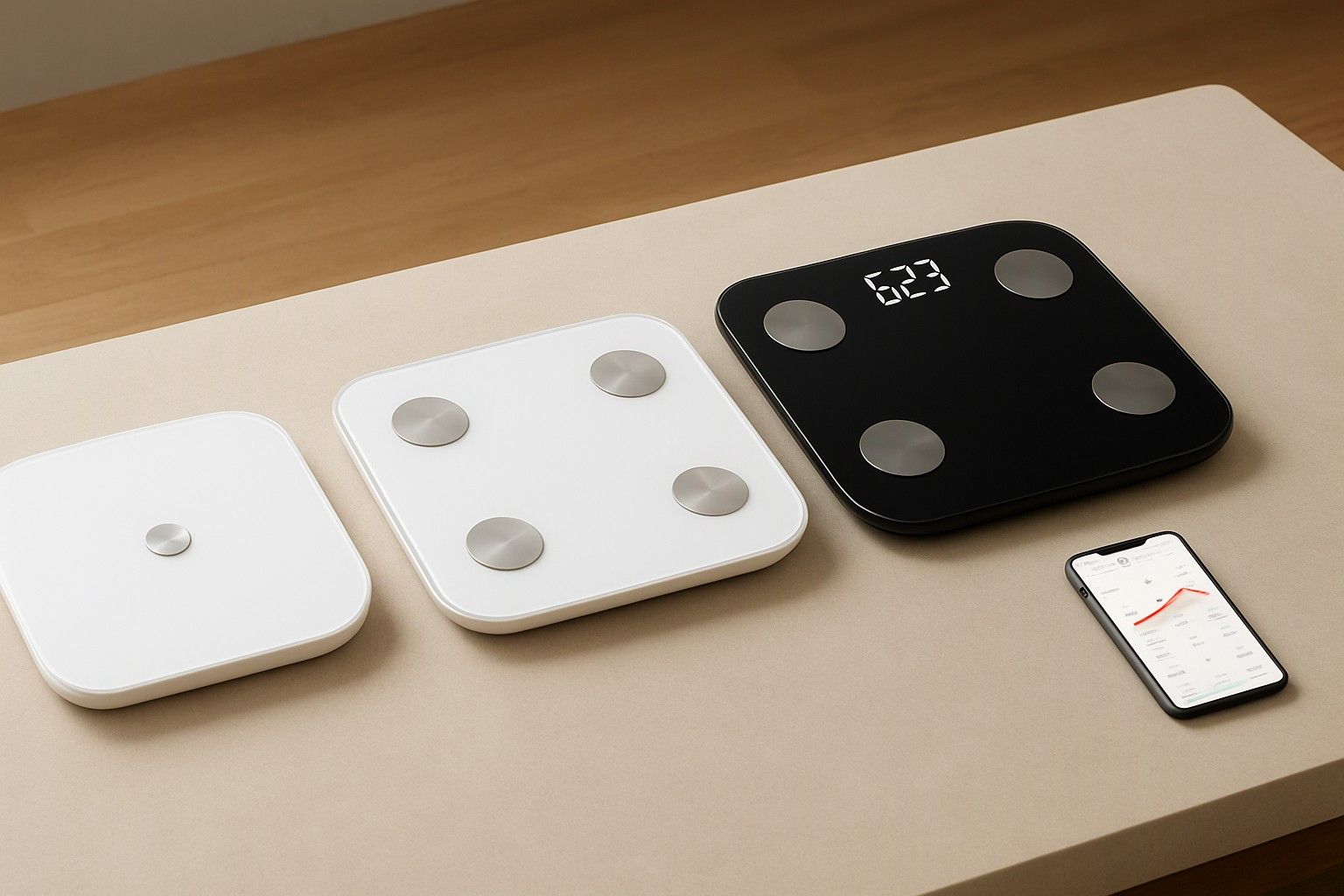
A smart weighing scale promises far more than a number in kilograms, but whether that extra promise suits your home depends on several connected choices. You need to know what the additional readings mean, how far you can trust them, and whether a plain digital scale would serve you just as well. After that come the practical checks: will the app play nicely with your phone, can the whole family share one device, and what is a fair amount to spend in a category that runs from ₹500 to ₹10,000? This guide walks through each of those decisions in order and points you to a detailed article for every one.
What a Smart Weighing Scale Actually Measures Beyond Weight
Most connected scales flash a set of extra figures next to your weight, typically BMR, hydration, muscle and fat percentage. Treat these as calculated approximations rather than clinical results, because only a handful of them deserve real attention day to day. This article helps you understand what body-fat and BMI readings on these scales really mean and decide whether those additional figures justify a higher price.
How Accurate Are These Scales and What Affects the Reading
Can you believe the number you see each morning? On a reasonably built scale the weight figure tends to hold steady, while fat percentage is much looser. Most complaints about wrong readings trace back to where the scale sits and how people step on it, not to a faulty unit. This guide covers how to judge whether a scale's readings can be trusted and shows you a simple self-test you can run at home.
Smart Scale vs Regular Digital Scale: Which One You Really Need
Before paying a premium, ask yourself a blunt question: will you actually open the app and follow your trend lines? A plain digital scale and a connected one weigh you in essentially the same manner, so the extra money only buys logging and progress tracking. Use this comparison to compare a smart scale against a plain digital one before spending more and find out when the connected features justify themselves.
App and Phone Compatibility You Must Check First
Judging the build of a scale is simple; the software is where buyers get caught out. Whether you keep using it months later depends largely on which fitness platforms it shares data with, how it pairs with your handset, and how well the companion app is made. Run the pre-purchase checks in this article to confirm the scale's app works with your phone and health apps, and note that they apply regardless of the handset you carry or how much you plan to spend.
Choosing the Right Scale for a Shared or Joint-Family Household
In a home where several relatives weigh themselves on one device, a scale designed for a single person quickly scrambles everyone's records. The questions that change here are how the scale identifies who has stepped on, how many profiles it keeps, and how it deals with visitors, kids and older family members. This guide focuses only on those shared-use specs to help you pick a scale that handles multiple users in a joint family.
What You Should Pay: Price Tiers and Value
Smart scales in India span ₹500 to ₹10,000, with an average of ₹999, and most buyers land in one of three bands: ₹600, ₹1,000 or ₹2,500. Moving up a band sometimes adds something you will genuinely use and sometimes just lengthens the spec sheet. This breakdown lets you see which features are worth paying for at each price band, so you can judge the price in front of you and buy with confidence now.
You now have the full route through this purchase: what the readings mean, how much to trust them, whether you need a connected model at all, the compatibility and family-use checks, and a sense of fair pricing. Work through whichever step feels uncertain, and you will be able to choose a smart weighing scale that fits your home without second-guessing it later.

Comments
Be the first to comment.