Smart Weighing Scale Price Tiers in India: What You Get for Your Money
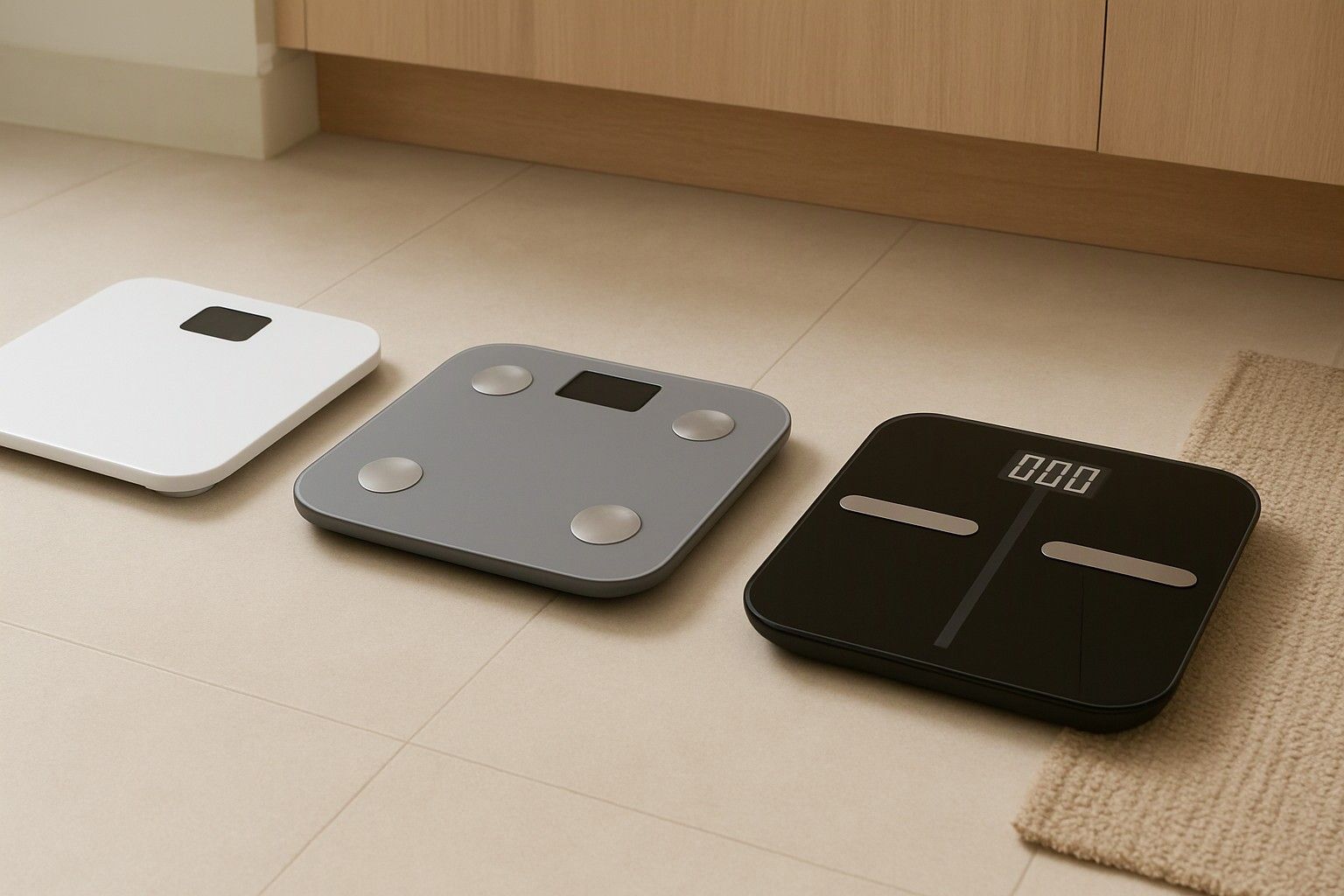
If you are trying to work out how much to spend on a smart weighing scale and whether the price in front of you is fair, this article is for you. It lays out what each budget band typically gives you in India, where extra rupees buy something useful, and where they mostly buy a longer feature list. By the end you should be able to look at a listing and decide with confidence.
The Overall Price Range: From ₹500 to ₹10,000
Smart weighing scales in India start at ₹500 and stretch all the way to ₹10,000. That is a wide spread, but most of it is not relevant to a typical household. The average sits at ₹999, which tells you the bulk of what people actually buy clusters toward the lower end, and the very top of the range is pulled upward by a small number of premium listings.
A practical way to read this range is in three working bands: ₹600, ₹1,000, and ₹2,500. Together they cover the models a normal home will realistically compare. Anything priced above the third band and heading toward ₹10,000 is a niche purchase, usually driven by a specific wish for richer body-data tracking or multi-user households rather than by a need for a more dependable scale.
Keep one idea in mind as you read the tiers: price in this category mostly buys connectivity and the number of measurements, not a different basic job. Every scale here is meant to tell you your weight reliably. What changes as you climb is what it does with that number afterwards.
Entry Tier Under ₹600: What to Expect
Scales in the ₹600 band are built to do the basics. You can expect a platform that reads your weight, a simple display, and in many cases basic Bluetooth pairing with an app that logs readings over time. Some listings here also advertise body-fat and similar estimates, and this is where you should read the claims with care.
The real compromise at this level is consistency. Cheaper sensors and simpler build quality can mean readings that drift between two steps on the same morning, or that react to where your feet land on the platform. Extra body metrics at this price are estimates generated from limited inputs, so treat them as rough trend markers rather than precise figures. If you want the full picture, it helps to watch out for the accuracy trade-offs at the lowest prices before settling on the cheapest option.
This tier makes sense if you mainly want to track weight over weeks, you are buying for one person, and you are comfortable with a basic app experience. It is a poor fit if you plan to base health decisions on the secondary metrics, or if several family members will share the scale and expect clean separate profiles.
Mid Tier ₹1,000: The Sweet Spot for Most Homes
Prices in the ₹1,000 band are where the category starts to feel dependable for everyday use. At this level you can reasonably expect sturdier build, a more stable weight reading, a clearer display, and app support that handles several user profiles without constant fuss. Body composition estimates are common here too, and while they are still estimates, they tend to be more consistent from one reading to the next, which is what makes trend tracking meaningful.
The average price of ₹999 falls close to this band, which is a useful signal in itself. It suggests that this is where a large share of buyers end up, and where the balance between cost and what you actually use is most comfortable. You are paying for steadier performance and a better day-to-day experience, not for features that sit unused.
For a family of two to four people who want shared profiles, regular logging, and a scale that does not need second-guessing, this is the band to start your search in. If your budget allows it and you do not have a specific reason to go higher, you can shortlist from here and stop looking further up.
Upper Tier ₹2,500: When Extra Features Justify the Cost
Moving into the ₹2,500 band, you are paying mostly for convenience and depth. Listings here tend to offer a wider set of body measurements, more polished apps, support for more users, and connectivity upgrades. In particular, features like Wi-Fi sync usually sit in this band, meaning your reading can reach the app without your phone being nearby or Bluetooth being active.
Whether that is worth the extra spend depends on how you live with the scale. Wi-Fi sync and multi-user recognition genuinely help in a household where several people step on the scale at different times and nobody wants to open an app each time. Richer metrics matter if you or a family member is following a structured fitness or health plan and wants to see the same indicators regularly.
If you just want a trustworthy weight and a simple history, this band is more than you need. The core weighing job is not dramatically different from the mid tier. Pay for this level only if you can name the specific feature you will use every week.
Is Paying Above the ₹999 Average Worth It?
Spending above the ₹999 average is worth it when the extra money fixes a real problem you would otherwise face. Better consistency of readings, reliable multi-user profiles, and an app that does not frustrate you are all real improvements, and they tend to show up as you move out of the lowest band and into the middle one. Beyond that, the returns narrow quickly.
A useful test is to ask what you would do differently with the additional data. If more body metrics would change how you plan meals or workouts, the premium has a purpose. If you would glance at the weight and ignore the rest, you are paying for numbers you will not use.
It also helps to step back and compare this against simply buying a regular digital scale. A plain digital scale covers the weighing job for less, so the extra cost of a smart model should be justified by app tracking, shared profiles, or trend history you will actually open. If those matter to you, paying somewhat above the average is reasonable. If they do not, staying near or below it is the sounder choice.
Judging Whether Today's Price Is a Good Time to Buy
The simplest way to judge a price is to place it against the range this category normally covers. Start with the band the scale falls in: ₹600, ₹1,000, or ₹2,500. Then ask whether its features match what that band typically offers. A scale priced in the mid band that delivers only entry-level features is poor value. One priced in the same band that offers multi-user profiles, stable readings, and a working app is fairly priced.
Next, compare the figure to the ₹999 average. A price near it for a well-featured model means you are paying what the market generally asks. A price well above it needs a reason you can point to, such as Wi-Fi sync or a wider set of measurements you will use.
Finally, check what you are getting for the money rather than chasing a number. A scale that fits your household, offers the features you will use, and sits sensibly within its band is a good purchase at its current price. If it ticks those boxes, you can buy it with confidence now and start tracking from the first day.
So, how much should you spend? For most Indian homes, the ₹1,000 band is where the money works hardest, with ₹600 suiting simple weight tracking and ₹2,500 reserved for specific features you will use. Check the listing against its band, the ₹999 average, and your own needs, and if it holds up on all three, the current price is a fair one to buy at.

Comments
Be the first to comment.