How to Pick an AC for Indian Summers: Tonnage, Star Rating and Installation Checks
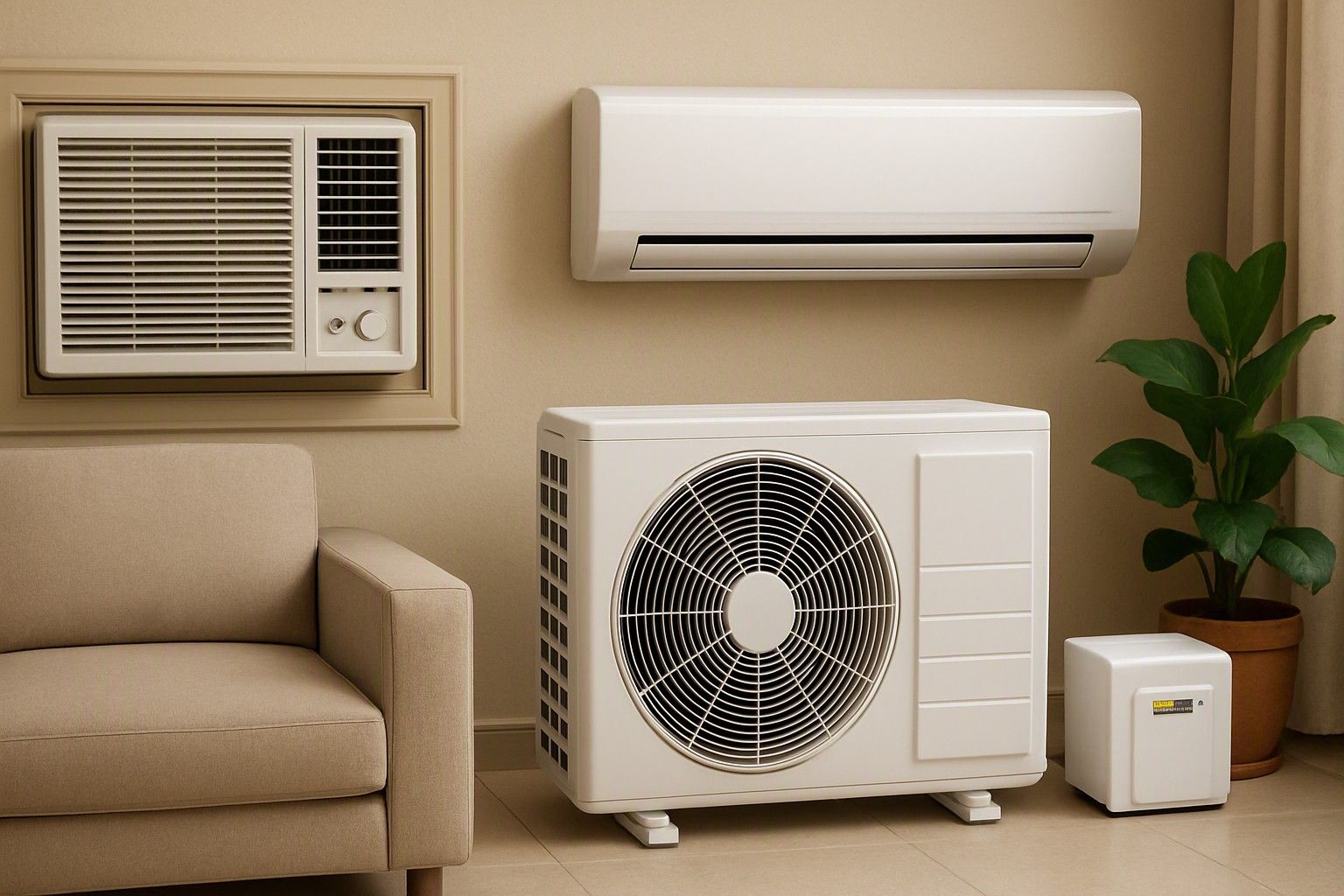
Buying an air conditioner in India is really a chain of decisions. You need to know whether you need an AC at all, then which unit type suits your home, and what size suits the room. After that come the compressor, the efficiency label, the coil material and your local heat and power supply, and finally the price, the installation and the cost of keeping it running. Prices in this category run from ₹21,990 to ₹89,990, so getting each step right matters. Work through the sections below in order, and follow each link when you want the full detail on that choice.
Cooler or AC: Settling the First Question
Before comparing any AC, ask whether a cooler would do the job. A cooler loses most of its usefulness as the air gets muggier, and an AC only earns its cost in a room you can seal shut. Use this guide to compare an air cooler with an AC for your climate and settle which one fits your town and your power budget.
Split or Window: Fitting the Unit to Your Home
Unit type has more to do with your home than with the brand on the box. Three practical limits decide it: the money you have, how much compressor hum you can sleep through, and whether your wall or window frame can take the unit at all. That applies to rented flats as much as owned bedrooms and living rooms. Take a few minutes to weigh split units against window units for your walls and budget and close this question before you shortlist models.
Picking the Right Tonnage for Your Room
Get the size wrong and no remote setting will rescue it, so this choice deserves care. A typical bedroom of 120 to 150 sq ft sits right on the line between 1 ton and 1.5 ton. Sun exposure, heat load and daily hours tip it one way or the other. Use the chart built for Indian room sizes to match tonnage to your room's square footage.
Inverter or Fixed-Speed Compressor
How many hours your AC actually runs decides this one. Long daytime use through the hot months generally recovers an inverter's higher price. A unit switched on only for a short spell at bedtime leaves a much thinner margin, and then repair risk, supply stability and budget start to matter more. Check your own routine to see whether an inverter compressor pays back for your usage hours.
Star Ratings and What They Mean for Your Bill
The difference between label grades can be measured in units. A 5 star model draws roughly 20% less electricity than a 3 star unit of equal capacity. For a split of 1.5 tons used eight hours daily, that is around 60 units every month. Plug in your local tariff to turn the BEE label into a monthly bill estimate and judge whether the higher grade earns its premium.
Condenser Coil Material and Long-Term Durability
Copper generally edges out aluminium for Indian buyers, chiefly because it copes better when a leak develops and is simpler for a technician to fix. An aluminium condenser can still be a sensible pick, depending on your local air and how many years you expect to keep the unit. This guide explains how copper and aluminium coils differ in lifespan and repairs, along with corrosion, refrigerant type and price.
Heat, Humidity and Voltage Where You Live
An AC that copes well in a mild metro may struggle at your address. Towns that hit 48°C, salty sea-facing cities and neighbourhoods with evening voltage drops each need different features. Plenty of spec-sheet claims help in none of them. Find AC choices for extreme heat, coastal humidity and unstable power, with each condition handled on its own.
Judging Whether a Quoted Price Is Fair
Units in this category range from ₹21,990 to ₹89,990, averaging ₹34,990, and most buyers fall into one of three bands: ₹25,000, ₹35,000 or ₹55,000. This guide shows what each price band realistically delivers for a 1.5 ton unit. It also covers where extra spending starts to buy real gains and which costs sit above the sticker. If you already hold a quote, you can test it against these figures today.
Installation Charges and Unit Placement
A promise of free installation usually covers only the basics: fixing the indoor and outdoor units, a short length of piping and a test run. Extra charges tend to show up for wiring corrections, drain piping, an outdoor bracket and any pipe beyond the included length. Before handing over payment, learn which installation charges are legitimate and which to push back on, while the dealer still wants your order.
Servicing, Gas Refills and Warranty After Purchase
The money an AC costs after purchase mostly goes on three things: compressor warranty claims, refrigerant top-ups and periodic servicing. Knowing which is genuinely needed, which is optional and which is a sales push keeps annual spending steady. This guide lays out the yearly servicing and warranty costs of owning an AC, so a technician's suggestions don't catch you off guard.
You now have the full sequence, from deciding between a cooler and an AC through to who pays for the yearly service. Settle each step in order and the shortlist narrows itself. Open the linked guide wherever you need more detail, then compare the price in front of you with what the category typically costs and decide with confidence.

Comments
Be the first to comment.