Is This AC Price Fair? What You Get from ₹21,990 to ₹89,990
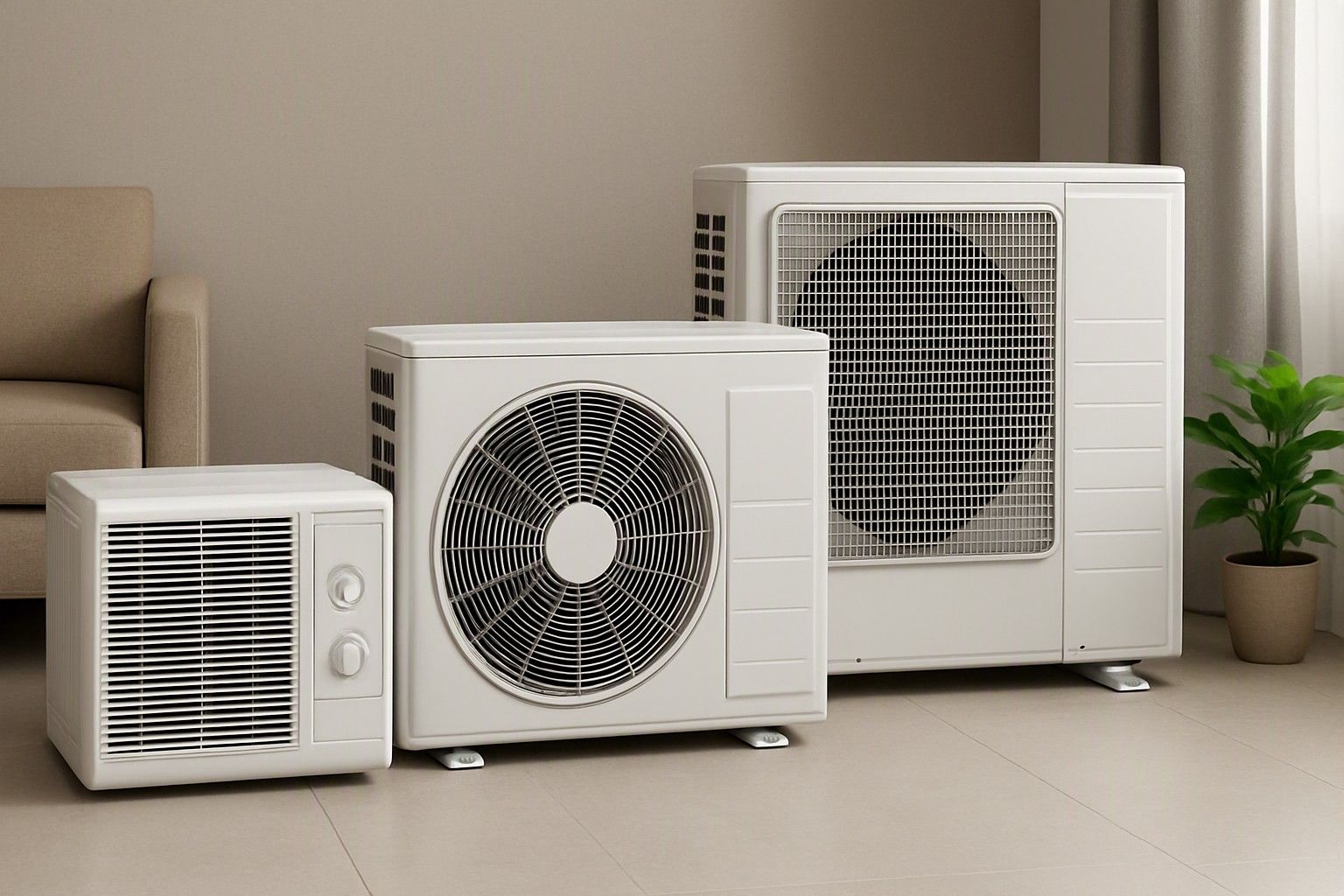
If you are asking how much a good 1.5 ton AC should cost in India, this article gives you a way to judge the price in front of you today. It walks through what each budget tier typically delivers, where extra money starts to make sense, and what sits on top of the sticker price. If you already have a quote or a shortlist, you can check it against the category right now and decide with confidence.
Where Most ACs Sit: The ₹21,990 to ₹89,990 Spread and the ₹34,990 Average
Prices in this category run from ₹21,990 at the entry end to ₹89,990 at the top, which is a very wide spread for what looks like the same product on a shelf. The average of ₹34,990 is a more useful reference point than either end. It tells you what a typical buyer actually pays, and it sits close to the upper edge of the middle tier, not in the middle of the full range.
That gap between the average and the maximum matters. The top of the range is pulled up by a small number of premium models, so a price near ₹89,990 is not a sign that a mid-priced AC is poor value. It simply means the category stretches far into feature-heavy territory that many homes never need.
A practical way to read the spread is in three bands: ₹25,000, ₹35,000, and ₹55,000. Anything above that last band is a specialised purchase. If the price you are looking at lands near ₹34,990, you are paying what the category typically asks for a well-rounded 1.5 ton unit. If it lands well below, expect trade-offs. If it lands well above, you should be able to name the specific features you are paying for.
What ₹25,000 Realistically Buys
The entry tier is where the category starts, since the lowest prices of ₹21,990 fall inside it. At ₹25,000, you are generally looking for a dependable cooling unit that handles a standard bedroom or small living room without extras. Expect the basics: a working compressor setup, a remote, a standard filter, and a fixed set of cooling modes.
What tends to be thinner here is the efficiency and the long-run running cost. Entry models often have a lower efficiency rating, and in a city where the AC runs for many months a year, that shows up on the electricity bill. Features like advanced air purification, app control, or self-cleaning are usually missing or basic. The build of the outdoor unit and the condenser material can also be more modest, which matters more in coastal or dusty areas.
This tier makes sense if the AC will be used for a few hours a day, if the room is well shaded, or if the upfront budget is the real constraint. It makes less sense if the unit will run for long hours daily, because a higher purchase price in the next tier can be offset by lower running costs over the years. Judge a price here by what it leaves out, and decide whether you will miss those things.
What Changes in the ₹35,000 Range
This is where most buyers land, and the average of ₹34,990 sits at the top of it. In ₹35,000, the jump from the entry tier is usually felt in efficiency and in day-to-day comfort. Models here more commonly offer variable-speed cooling, which adjusts compressor output instead of switching fully on and off. That means steadier room temperature, quieter running once the room is cool, and lower power use over a season.
You also tend to see better filtration, more cooling modes, and sturdier outdoor components. Warranty terms on key parts are often more generous at this level, which is worth reading closely because the compressor is the costliest part to repair.
Tonnage also shapes where a given model falls on the price ladder, so it helps to understand how tonnage pushes a model into a higher price band before comparing quotes. A 1.5 ton unit priced in this range is generally well matched to a medium bedroom or a modest living room. If the room is larger or gets strong afternoon sun, paying for the right capacity here is smarter than paying for extra features on a unit that will struggle.
Features That Justify ₹55,000
Moving into ₹55,000 only pays off if you will use what the extra money adds. The features that usually justify it are higher efficiency ratings for heavy daily use, more advanced inverter control, better air-quality tools, and smart connectivity that lets you schedule or control the unit from a phone.
Some upgrades earn their cost for specific homes. If the AC runs for long hours every day, a higher efficiency rating can recover part of the extra spend through lower bills. If someone at home has allergies or sensitivity to dust, stronger filtration and self-cleaning functions have real value. If the unit sits in a very hot room, faster cooling and stable performance in extreme heat are worth paying for.
Other additions are comfort extras. Stylish finishes, multiple display options, and many preset modes are pleasant, but they do not change how well the room cools. Anything priced toward ₹89,990 is mostly in this luxury zone.
A simple test: write down the two or three features you would actually use every week. If the higher-priced model covers them and the mid-priced one does not, the premium is justified. If the extra money buys features you cannot name a use for, the middle tier is the better buy.
Hidden Costs on Top of the Sticker Price: Installation, Stand and Stabilizer
The price on the listing is rarely the final amount you pay. Installation is the largest add-on, and it often covers only a basic set of work. Copper piping beyond the standard length, drain pipe extensions, wiring, and mounting at awkward heights are commonly charged separately. It is worth knowing the extra charges that get added on installation day before you compare one seller against another, because a lower sticker price can be erased by a higher installation bill.
The outdoor unit also needs support. If your wall has no suitable space, you will need a stand or bracket, and the quality of that bracket matters for safety and vibration, so it is not the place to cut corners.
A stabilizer is the third item. Many modern inverter units handle normal voltage swings internally, so a stabilizer may not be needed. In areas with severe or frequent voltage fluctuation, the model's own guidance and a local technician's opinion should decide it. Do not assume one is mandatory or unnecessary.
When you set your budget, add these three items to the sticker price and compare totals. That gives you a true cost, and it often makes a slightly higher-priced AC with included installation look more reasonable.
Checking a Quoted Price Against the Category
With the tiers in mind, you can test any quote quickly. First, place it: is it in ₹25,000, ₹35,000, or ₹55,000? Then compare it with the ₹34,990 average. A price near the average should come with variable-speed cooling and reasonable warranty terms. A price below it should be explained by a clear compromise, such as lower efficiency or fewer features. A price above it should be tied to features you will really use.
Next, ask what is included. A quote that covers standard installation and a clear warranty on the compressor is worth more than a lower number with unclear extras. Then check the capacity: a correctly sized 1.5 ton unit at a fair price beats a bigger or fancier unit that does not suit your room.
Price is only one part of a sound decision, so it helps to read it in the context of the full price alongside sizing, efficiency and after-sales factors covered in the main guide. If the quote passes these checks, it is a fair price for what the category offers today, and there is no strong reason to hold off on buying.
A good 1.5 ton AC does not need to cost anything near ₹89,990. For most homes, the ₹35,000 range delivers the balance of efficiency and features that the category average of ₹34,990 reflects. Add installation, a stand and any stabilizer to the sticker price, check what the quote includes, and you can judge the number in front of you and buy with confidence.

Comments
Be the first to comment.