AC Servicing, Gas Refills and Compressor Warranty: The Yearly Cost of Ownership
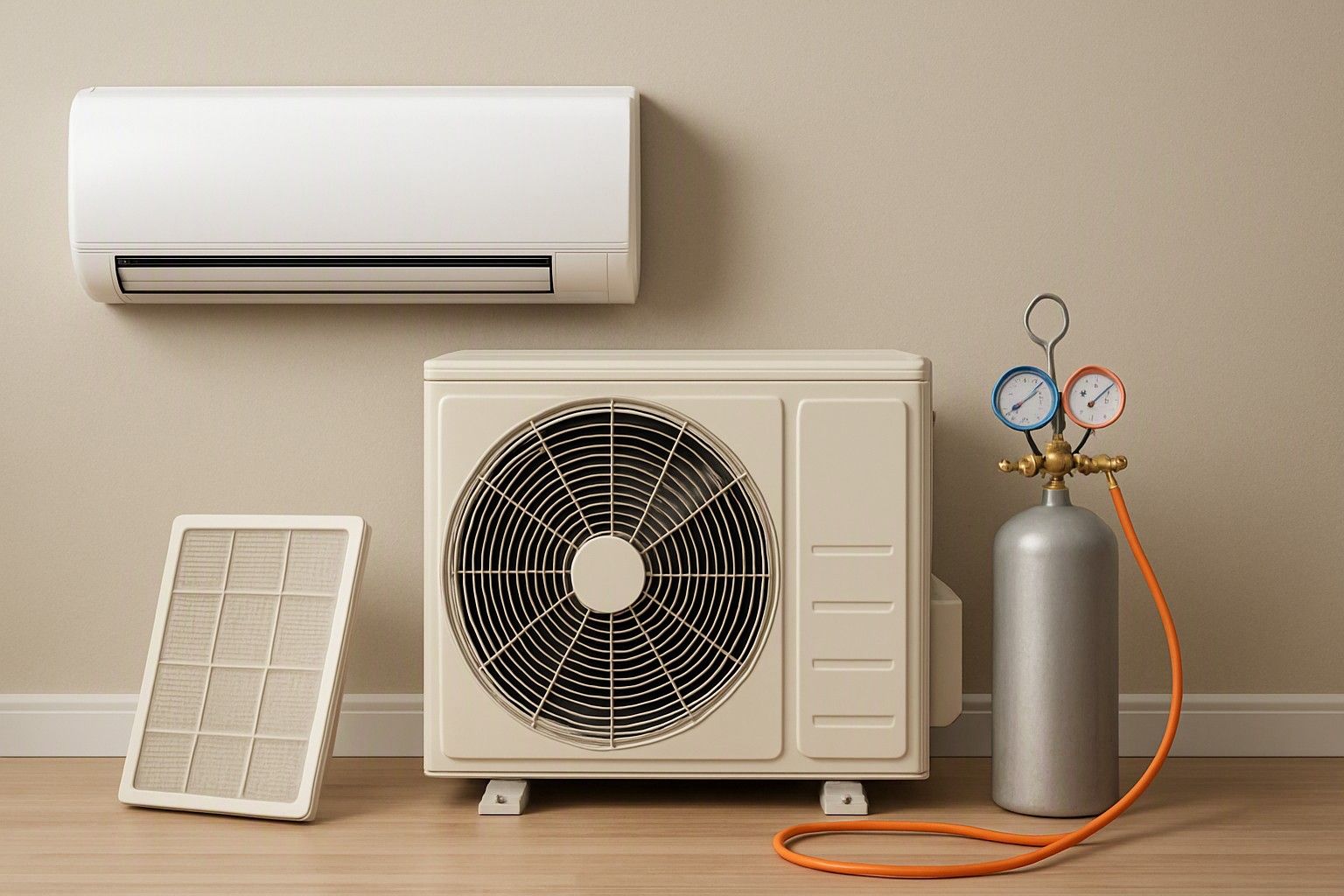
If you own a split or window AC in India, or are about to buy one, and want to know how often it needs servicing and what upkeep really involves, this article is for you. Most of the yearly cost comes from three things: servicing, gas refills and warranty claims. Knowing which are routine, which are optional and which are an upsell keeps the bill predictable.
Cleaning Filters at Home vs Professional Servicing
The mesh filters behind the front panel are the one part you can and should handle yourself. In a dusty city or a home near a busy road, they clog within weeks of regular use, and a clogged filter makes the compressor work harder, cools less and raises your electricity bill. Slide the panel open, take the filters out, rinse them under a tap with mild soap, dry them in shade and put them back. Doing this every few weeks during heavy use costs nothing and is the most valuable maintenance habit you can build.
What you cannot do at home is reach the evaporator coil, blower wheel, drain tray and the outdoor condenser. These collect fine dust, grease and sometimes algae, and cleaning them properly needs the indoor unit partly dismantled and water or chemical washing done in a controlled way. That is what a professional service covers.
A useful rule: home cleaning keeps airflow healthy between visits, while professional servicing deals with what the filter does not catch. Neither replaces the other. Skipping the filter cleaning makes the professional visit less effective, and skipping the professional visit lets dirt build up deep inside the unit.
Scheduling Wet Servicing Before and After Summer
A wet service, where the coils and drain are washed with water, is the thorough one. Dry servicing usually means only blowing out dust and cleaning filters, which helps but does not remove the film that settles on the coil. For most homes, one wet service a year is a sensible baseline, with a second if the AC runs for most of the year or the home is dusty.
Timing matters more than most owners realise. Book the first visit just before the hot months begin, ideally when the weather is turning warm but before the rush. Technicians get stretched thin in peak summer, appointments slip by days, and rushed jobs tend to be shorter. A pre-summer service also lets you find a weak cooling problem or a drain leak while there is still time to get it fixed calmly.
The second service, after the season ends, is about storage. Dirt and moisture left inside a switched-off unit can turn into odour and mould by the next summer. If you only schedule one, choose the pre-summer slot. If the AC is used year-round, as in coastal and southern cities, space the two visits roughly six months apart instead.
Gas Refills: When They Are Genuinely Needed and When They Are an Upsell
Refrigerant is not a consumable like petrol. An AC runs on a sealed circuit, so gas should not drop over time. If the level is low, there is a leak somewhere, and topping up without finding it only buys a few weeks before cooling fades again.
Genuine signs of low gas include cooling that weakens gradually despite clean filters, ice forming on the indoor coil or the thinner copper pipe outside, a hissing sound, or a compressor that runs constantly without reaching the set temperature. A technician should confirm this with a pressure gauge reading, and ideally trace the leak, not just refill.
It is an upsell when someone proposes a refill during a routine service without measuring pressure, quotes a refill as an annual necessity, or says the gas is "finished" within a year or two of purchase. Ask to see the gauge reading and ask where the leak was found and fixed. Leak repairs are also easier or harder depending on the metal in the coils, so it helps to understand why coil material affects leak repairs before you agree to a quote. If a leak is at a joint, brazing it is a normal job. If the coil itself is corroded, the repair conversation changes.
Compressor, PCB and Comprehensive Warranty: Reading the Fine Print
Most AC warranties are layered, and the layers are not equal. Typically there is a shorter comprehensive warranty on the whole unit, a longer one on the compressor, and separate terms for parts like the PCB, the electronic control board. The exact periods differ by brand and model, so read the warranty card, not the advertisement.
The compressor warranty is the headline, but check what it covers. Often it covers the compressor part only, not the labour to fit it, and not the gas that must be recharged afterwards. Ask whether those are included, because a compressor replacement is the single costliest repair an AC can need.
PCB and other electronic parts are common failure points, especially with voltage fluctuation. Check whether the warranty on the PCB matches the comprehensive period or is limited, and whether damage from power surges is excluded. Many warranties are also void if installation or repair is done by someone not authorised by the brand, so keep the installation record and invoice. Use the brand's service channel for the first few years even if a local technician is cheaper, because a single unauthorised repair can give the company grounds to refuse a later claim.
AMC Plans and Brand Service Networks in Smaller Towns
An Annual Maintenance Contract bundles a set number of services, and sometimes parts and labour, for a fixed fee. It makes sense once the comprehensive warranty ends, when a PCB or fan motor failure could cost more than the plan itself. During the warranty period, it usually duplicates cover you already have, so compare carefully before buying one.
Read what the AMC actually includes. Some plans cover only servicing visits, some add labour, and a few add parts. Check whether gas refills and compressor work are excluded, how many visits are promised, and the response time written in the contract.
In smaller towns, the brand's own service network matters more than the contract. Some companies have authorised centres in district headquarters but rely on a single technician for the surrounding area, so waits can stretch for days in peak season. Before buying, ask neighbours or local dealers who actually services that brand in your town, how long a visit takes and whether spare parts are stocked locally or ordered from a city. A cheaper unit with a thin local network can end up costing more in downtime than a slightly pricier one that is serviced quickly.
Factoring Upkeep Into the Original Purchase
Upkeep is a recurring cost, so it belongs in the purchase decision. With AC prices running from ₹21,990 to ₹89,990 and an average around ₹34,990, the sticker price is only part of what you commit to over the years. A unit in the ₹25,000 range and one in the ₹35,000 or ₹55,000 range both need the same yearly servicing, so the question is what support and warranty come with each.
A few checks before you pay help. Look at the compressor and PCB warranty terms, not just the comprehensive period. Find out whether the brand has an authorised service centre in your town. Ask what the installation includes, since poor installation causes leaks and early faults. Consider how the coil material may affect repair options later.
It is sensible to weigh ownership costs as part of the choice before you pay, not after. Set aside a modest yearly amount for servicing and possible repairs from day one, and the running costs stop being a surprise. Choosing now with those figures in mind is a firmer basis than hoping for a different price later.
So, how often should you service your AC and what does it cost? Clean the filters yourself every few weeks, book one wet service before summer (a second after the season if the AC runs year-round), and treat any gas refill offer as suspect until a gauge reading and a located leak back it up. Read the compressor and PCB terms closely, and decide on an AMC only when the comprehensive warranty ends and your local service network justifies it.
Comments
Be the first to comment.