Bluetooth Speaker Prices in India: What Each Budget Actually Gets You
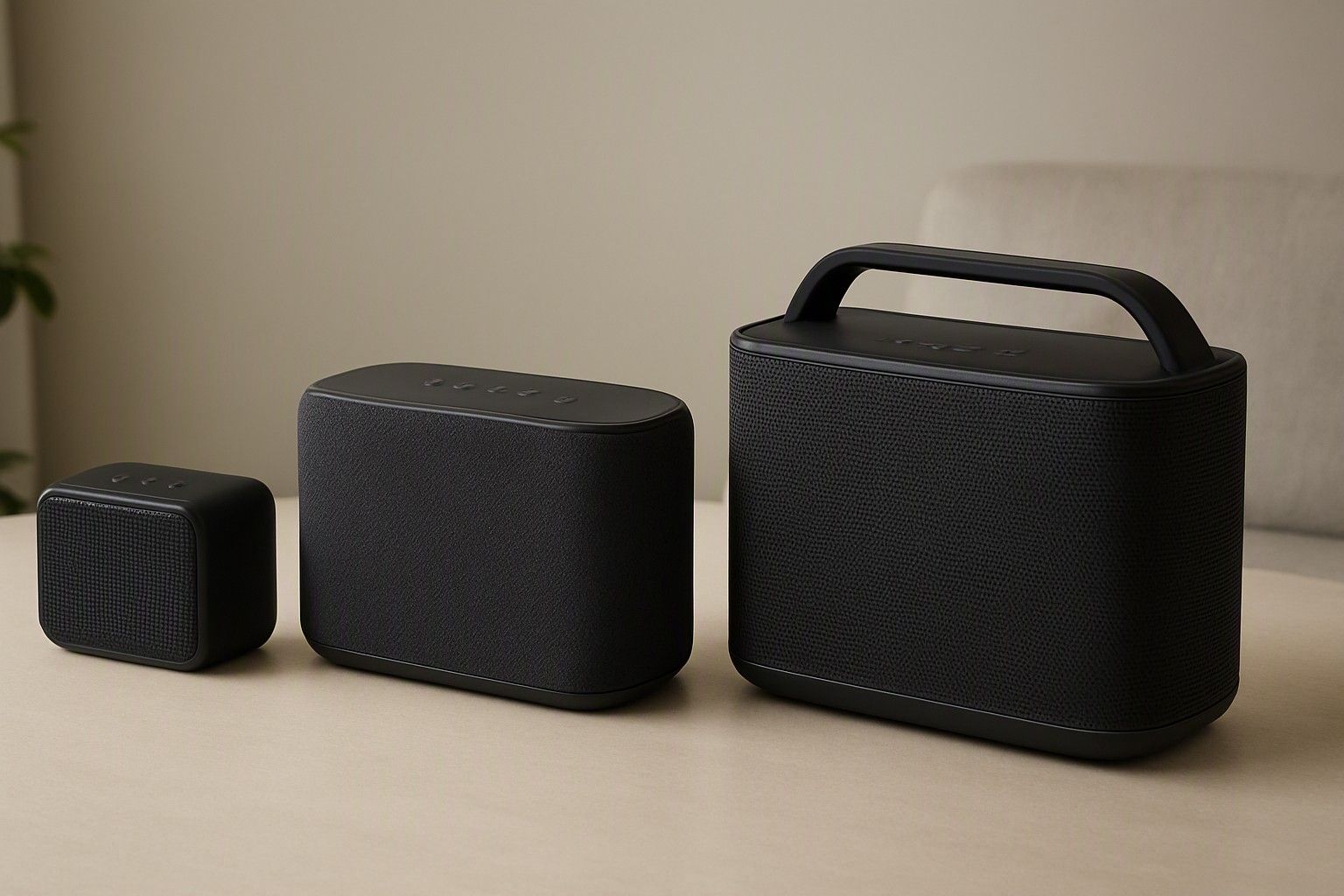
If you are asking how much a Bluetooth speaker should cost and whether the price on your screen is reasonable, this guide is for you. It walks through each budget band in India, what the money realistically gets you, and where paying more stops making sense for your use. By the end you should be able to look at a listing and decide today whether it is fair.
Where Prices Sit: ₹699 to ₹29,999
Bluetooth speakers in India start at ₹699 and run all the way to ₹29,999. That is a very wide spread, and it explains why two speakers that look similar in a product photo can behave nothing alike once you press play. The average sits at ₹4,499, which is a more useful reference point than either end of the range. A listing far below that average needs a reason to be cheap, and one far above it needs to show you something extra.
This article splits the range into three working bands: ₹1,500, ₹4,000, and ₹10,000. Each band has a recognisable set of features and compromises. Above those bands is a smaller group of premium and large-format speakers, covered after the three tiers. Knowing which band a speaker belongs to is the fastest way to tell whether its price is in line with what it offers.
₹1,500: What Entry-Level Speakers Deliver
Speakers priced ₹1,500 do one job: they play music from your phone wirelessly without needing a cable. Expect compact bodies, mostly plastic construction, and a single small driver that sounds acceptable at moderate volume. Bass is usually thin, and pushing the volume near its limit often brings audible distortion.
Battery life and charging are the usual weak spots. Runtimes tend to be modest, and the charging port and Bluetooth version may be older than on pricier units. Water resistance is rare at this level, so treat these speakers as indoor or fair-weather gadgets, and don't rely on a vague "splash-proof" line in a listing unless it names a proper IP rating.
This tier makes sense for a bedroom, a study desk, a bathroom shelf, or as a backup speaker for travel. It is a poor match if you want to fill a living room, play outdoors, or expect the speaker to last through years of rough handling. Many buyers in this band are paying for convenience, so the sensible move is to keep expectations tied to that.
₹4,000: The Mainstream Sweet Spot
The ₹4,000 price band of speaker is where most buyers will find the best balance of sound, durability, and cost. Volume gets noticeably fuller, bass has some body, and the speaker can hold its own in a room without strain. Build quality improves too, with sturdier casings, better buttons, and often a fabric or rubberised finish. Many models add a microphone for calls, and some let you pair two speakers for a wider sound.
This is also the band where where waterproofing and longer runtimes start appearing becomes a real buying consideration rather than a premium extra. Check each listing for a stated IP rating and a battery claim, and read both against the speaker's size, since a very small body cannot plausibly hold a very large battery.
For everyday home use, balcony listening, or carrying a speaker on trips, this band covers most needs without overspending. The trade-off is that sound is still tuned for general listening. Clarity at high volume and deep bass remain limited compared with the next band.
₹10,000: Branded Sound, IP67 and Party Units
Moving into the ₹10,000 band, the change is audible and physical. Speakers here are typically from established audio brands, with sound tuning done deliberately rather than just "loud and bassy." Vocals are cleaner, bass is controlled, and the speaker stays composed at higher volumes. Many also ship with companion apps for equaliser adjustments and firmware updates.
This is where a stronger dust and water rating like IP67 becomes common, along with tougher shells designed for pools, beaches, and trekking. If you actually use a speaker outdoors, this rating is a practical reason to spend more, not just a spec to admire.
This band also includes party-oriented units. They are larger and heavier, with bigger drivers, lighting effects, and sometimes inputs for a microphone or instrument. They suit gatherings, terrace evenings, and family functions where a small speaker would simply get lost. The trade-off is portability: a loud party speaker is not something you slip into a bag. Choose based on whether you value sound quality, ruggedness, or sheer volume, since each points to a different kind of speaker within this band.
Above the ₹4,499 Average: What the Extra Money Buys
Once a speaker is priced above the ₹4,499 average, you are paying for refinement more than for basic function. The gains show up as better sound separation, more capable drivers, richer bass without muddiness, and a more convincing sense of space. Larger models offer high volume with less distortion, and premium builds use better materials that hold up to years of use.
At the upper end, running up to ₹29,999, you start to see features that cheaper speakers skip altogether. These include multi-driver or 360-degree designs, long battery life on big cells, higher-grade wireless support, multi-room or multi-speaker linking, and more precise app controls. Some units double as home audio centrepieces rather than portable gadgets.
The returns diminish sharply, though. The jump from a mainstream speaker to a well-tuned one is large and easy to hear. The jump from a solid premium speaker to the most expensive one is smaller, and mostly matters if you listen critically, host often, or want one speaker to cover several rooms. If your listening is casual, extra money above the average rarely changes your day-to-day experience.
Judging Whether a Listed Price Is Fair
A fair price is one that matches the tier the features belong to. Start with the basics: the stated IP rating, battery capacity, driver setup, Bluetooth version, and charging port. Then place the speaker in the band where those features usually appear. If a listing carries tier-three features at a tier-one price, or tier-one features at a tier-three price, something is off.
Discounted price tags are a weak signal on their own. A struck-through "original price" tells you little, because it can be set to look generous. Compare the speaker with others in the same band and decide whether the sound, rating, and build justify what you would pay now.
Be especially careful with branded names at unusually low prices. This is where you learn to spot a suspiciously cheap branded listing before you pay, by checking the seller, the warranty terms, and whether the specs look too generous for the money.
A fair price also includes after-sales support. A slightly higher price with a clear warranty and a service route usually beats a marginally cheaper listing with neither.
Choosing a Tier That Matches Your Needs
Pick the tier by where and how you will use the speaker, not by the biggest number you can afford. If it will sit on a desk or shelf and play at low volume, the entry band covers you. If it moves between rooms, goes on trips, or needs to survive a splash, the mainstream band is the safer fit.
For outdoor use, pool-side listening, or a speaker that must handle dust and heavy rain, the third band is where durable ratings and branded tuning become worth paying for. For parties or large spaces, a party unit in the same band does the job, but accept that it will stay mostly in one place.
Spending above the average makes sense only if you can hear and use the difference, such as critical listening or serving a large space regularly. Otherwise the money is better kept in a tier that already meets your needs. If you want a fuller process, this guide will help you match a price band to the features that matter to you and narrow the shortlist with confidence.
A fair Bluetooth speaker price is the one that lines up with the features your tier normally carries, and you can now check any listing against that. Decide how and where you will use the speaker, find the band that fits, and buy with confidence at the price in front of you.

Comments
Be the first to comment.