Choosing a CGM in India: Sensor Life, Phone Support and the Real Monthly Cost
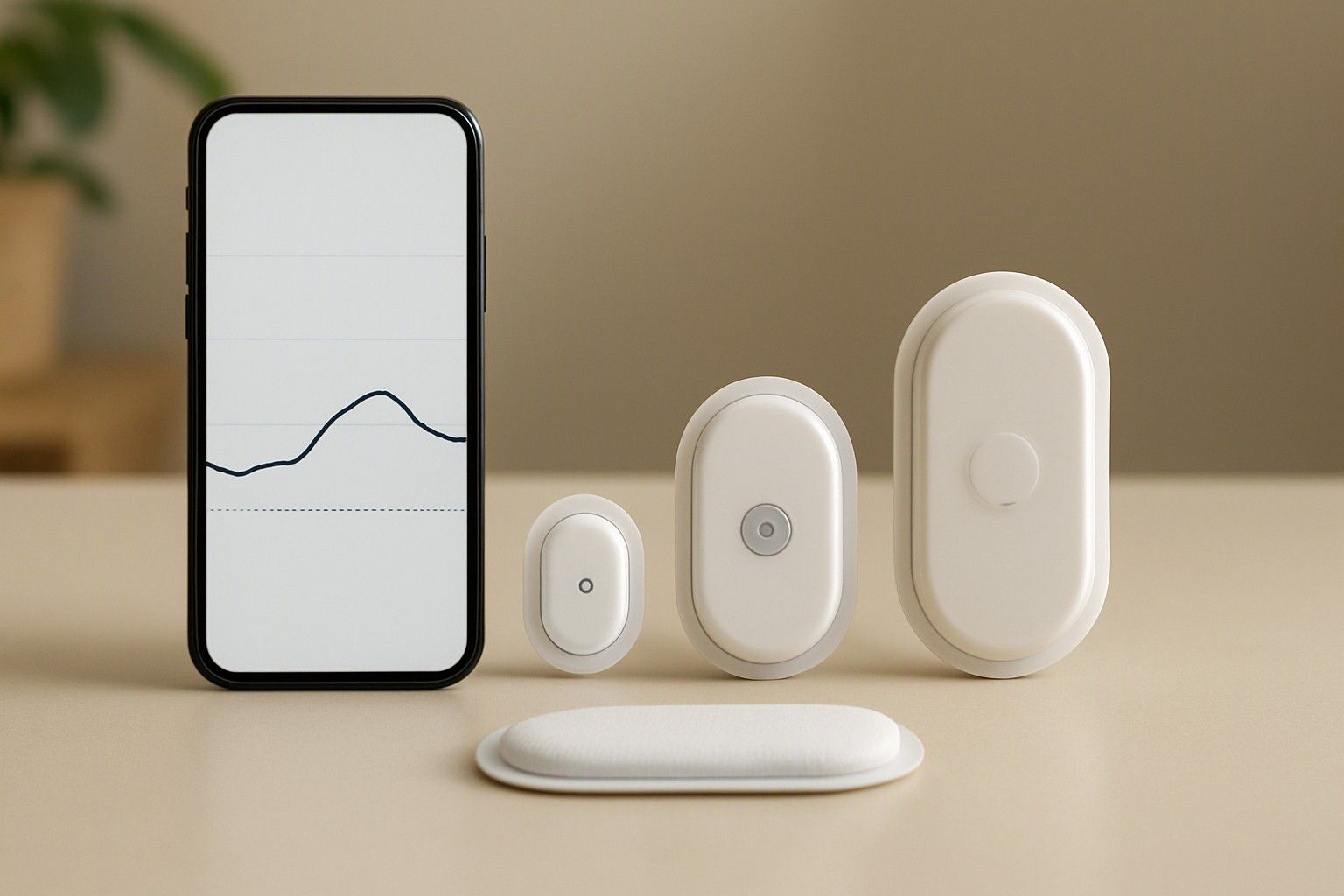
A continuous glucose monitor is less a single gadget than an ongoing arrangement: a sensor on your arm, an app on your phone and a recurring bill for replacements. Before comparing listings, settle a few questions in order. Do you need one at all? Which sensor type fits how you want to use the data? Which specs actually matter, and will your phone read it? This guide walks through those decisions, the situations that change the answer for Indian families, what a fair price looks like, how to steer clear of risky stock and what daily ownership involves.
Does a CGM Replace Your Glucometer, or Work Alongside It?
Many buyers assume a sensor makes the meter obsolete, but that is not a given. If your finger-prick results already guide your daily choices well, a CGM may add little. The case grows stronger when your HbA1c looks out of step with your meter, when you take insulin, or when sudden lows arrive without warning. This guide explains whether finger-prick testing still has a place once you wear a sensor and helps you work out where you stand.
Real-Time Alerts, Scan-to-Read Sensors or Clinic-Fitted Professional CGMs
The CGM label in India covers three products that behave very differently in daily use. One is fitted at a clinic and produces a single report afterwards, another shows a number only when you hold your phone over it, and a third pushes warnings to your phone unprompted. Read up on how real-time, flash and doctor-applied sensors behave differently so you can shortlist the right type and drop the ones that don't match how you plan to use the data.
Accuracy, Wear Duration and Whether Your Phone Can Read the Sensor
Spec sheets on CGM listings tend to repeat the same few figures, and they don't all deserve equal weight. The real question is which figure should swing your choice between competing sensors, and whether the device will pair with the handset you already own. Start by comparing sensor accuracy, warm-up time and NFC support on your phone before narrowing your shortlist.
Using a CGM to See How Rice, Roti and Chai Affect Your Sugar
For someone who is prediabetic or simply curious, a sensor reveals the minute-by-minute reaction to a meal that a lone fasting test misses. The goal here is self-knowledge about food, such as how chai, mithai or a plate of rice moves your numbers, not treating a diagnosed condition. This guide covers tracking post-meal spikes from an everyday Indian thali, and makes clear that medication changes belong with your doctor.
Watching a Parent's Glucose Levels From Another City
Seeing a parent's readings from hundreds of kilometres away is possible, but only if a few pieces line up. It matters whether their handset and home Wi-Fi or mobile data can hold the connection, whether the device sounds a loud alarm without anyone checking, and whether readings stream live to a family member's phone. Our guide on setting up follower alerts for an elderly parent who lives apart walks through each so you can choose an arrangement that suits your family's actual situation.
What a Month of Sensors Costs Within the ₹2,000 to ₹18,000 Range
Because each sensor wears out and must be replaced, the price on a single listing understates what you will spend. Listed prices in this category run from ₹2,000 to ₹18,000, averaging ₹4,500, and broadly fall into ₹3,000, ₹5,000 and ₹10,000 bands. Convert that into a monthly figure by working out the per-day cost of each sensor against today's listed price, which also shows how to judge whether the price you see today is reasonable.
Spotting Grey-Market, Near-Expiry or Unregistered Sensors
Sensors fall under medical device regulation, yet marketplaces and third-party sellers regularly list imported or short-dated stock. Buying one of those can waste money or leave you with numbers you can't depend on. Before checking out, go through the signs a seller is offloading imported or short-dated sensor stock, so you know the sensor is authentic, within its date and intended for sale in India.
Keeping a Sensor Attached Through Sweat, Humidity and Monsoon
A sensor that falls off before its rated wear period is one you have paid for and lost. Summer perspiration, sticky monsoon air and a wet ride to work all weaken the adhesive faster than most first-time users expect. This guide covers application and adhesion habits that suit hot, sticky weather, plus how to pursue a replacement claim when a sensor comes off regardless.
You now have the full route through a CGM purchase: whether you need one, which type and specs fit, how family and diet goals shift the choice, what the recurring cost looks like, which sellers to avoid and how to keep a sensor working through Indian weather. Pick the question closest to where you are stuck, follow that guide, and you will be ready to buy with a clear picture of what you are paying for.

Comments
Be the first to comment.