CGM Sensor Prices in India: Is Today's Price Fair?
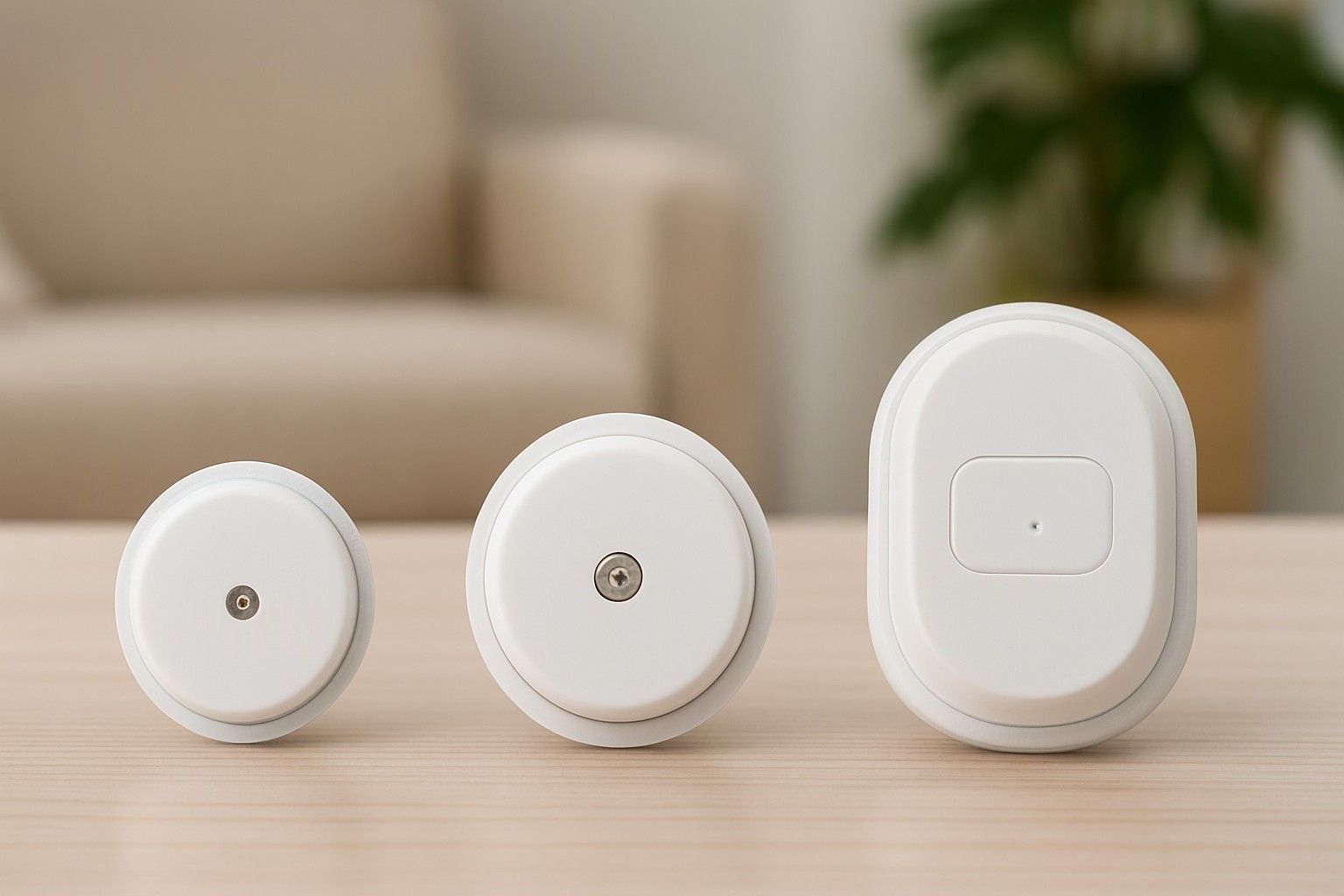
A CGM is not a one-time purchase. You pay for a fresh sensor again and again, so the sticker price on a listing only tells you part of the story. This page turns listed sensor prices in India into a monthly cost and shows you how to tell whether the price in front of you is a fair one.
Where Sensors Sit Between ₹2,000 and ₹18,000, With a ₹4,500 Average
Across the CGM sensors TOQ tracks in India, a single sensor is listed anywhere from ₹2,000 to ₹18,000, and the average CGM cost sits at ₹4,500. That is a wide spread, and the gap is mostly explained by how long a sensor is rated to stay on your arm, how it handles calibration, and whether it comes with a reader or relies on your phone.
The first thing to understand is that the listed price is per sensor, not per month. A sensor rated for a shorter wear life has to be replaced more often, so a cheaper-looking sensor can end up costing more across a month than a pricier one that lasts longer. Always check the wear life on the listing before you compare two prices.
Use ₹4,500 as your reference point. A sensor priced well below it deserves a closer look at wear life and seller. One priced well above it should be offering something concrete in return, such as longer wear or fewer replacements. The three budget bands below break down what typically comes with each level of spend.
What You Get ₹3,000
Sensors priced ₹3,000 are the entry point, and they sit at or below the category average. They make sense if you want to test how a CGM fits into your routine, or if you need glucose trend data for a limited stretch rather than year-round.
At this level, expect a simpler feature set. Wear life tends to be on the shorter side, which means you will buy sensors more frequently, and the monthly total can creep up faster than the per-sensor price suggests. Some sensors here pair with a phone app only, so you will want to confirm your phone is supported before ordering. Others may need fingerstick calibration, which adds a small recurring cost for strips.
The trade-off is plain. You pay less per sensor and commit less upfront, but you give up some convenience and may replace sensors more often. If you are a first-time user who wants to try a CGM without a large outlay, this band is a sensible place to start. Just do the monthly arithmetic: take the listed price, divide by the wear life in days, and multiply by the days you actually need coverage.
What Changes in the ₹5,000 Band
The ₹5,000 band is where the average of ₹4,500 falls, so this is the zone most buyers in India end up in. The step up from the entry band usually brings longer wear life, steadier readings and smoother phone-app behaviour, and these are the things that change daily experience most.
Longer wear life matters for cost because it cuts the number of sensors you need in a month. A sensor that costs more upfront can still work out cheaper per day than a short-life one. Accuracy matters differently: better accuracy means fewer moments where you second-guess a reading and reach for a fingerstick. If you want the detail, here is why wear life and accuracy explain much of the mid-band gap, along with what to check about phone compatibility.
For most people planning to use a CGM regularly, this band offers the most balanced value. You are not paying for features you will never use, and you are not absorbing the extra replacement cost of the cheapest sensors. If a listing here sits near or below ₹4,500 and the wear life is solid, it is a fair price to act on.
When Paying ₹10,000 Makes Sense
Prices of ₹10,000 are the premium end of what most buyers consider, and the category stretches even higher, up to ₹18,000. Paying at this level only makes sense when the extra money buys something you will use every week.
The genuine reasons are few. Some higher-priced sensors offer the longest wear life, which reduces how often you reapply. Some offer stronger accuracy, which matters if you make insulin dosing decisions off the readings or you want to cut fingersticks as far as possible. Others include real-time alarms for highs and lows, which can be valuable for someone who worries about overnight lows or for a family member monitoring a child or parent.
If none of those apply, the premium is hard to justify. A higher price does not automatically mean a better fit, and a sensor at ₹18,000 costs a great deal more over several months than one at ₹4,500. Ask yourself which specific feature you are paying for, and whether you would notice its absence after a month. If the answer is yes, the premium is earning its place. If not, the mid band will serve you equally well.
Cost Per Day, Starter Kits and Reader Costs
Cost per day is the fairest way to compare sensors. Divide the sensor price by its rated wear life in days. Then multiply by the days in a month to get your monthly figure. Two sensors with different prices and different wear lives become directly comparable this way, and the cheaper listing is often not the cheaper option.
Starter kits need a separate look. A kit may bundle the first sensor with an applicator, a reader or extra accessories, so its price is higher than a refill sensor. That is a one-time cost, not your monthly figure, so keep it out of your per-day calculation. Check whether a kit price actually includes a sensor, or whether it is the hardware alone.
Reader costs depend on how the system works. Some sensors need a dedicated reader, which is an upfront purchase. Others read straight to your phone, so you pay nothing extra provided your handset is supported. If you already own a compatible phone, a phone-based system saves you that outlay. Also account for adhesive patches or overtapes if you have sensitive skin or sweat heavily, since an early sensor loss means paying for a replacement sooner than planned.
Why an Unusually Low Price Deserves a Second Look
A price far below ₹2,000 is not a bargain; it is a warning. The lowest genuine listings in the category start at ₹2,000, so a sensor priced noticeably under that line needs an explanation before you pay.
The usual explanations are not pleasant. The stock may be near expiry, which shortens usable life or affects reading reliability. It may be a grey import without proper Indian warranty or support. It may have been stored badly in transit, since sensors are sensitive to heat. A sensor that fails on day two costs you the full price and gives you nothing, so a cheap listing can turn out to be the most expensive option you could have chosen. Here is how suspiciously cheap listings often signal grey-import stock, and what to check on the pack.
Before buying, look for a clear expiry date, an authorised seller, a return policy and a warranty you can actually claim. If a seller cannot show these, the low price is not worth the risk. Paying a fair price from a reliable seller is the safer path for something you wear on your body.
Judging Today's Price
To judge a price, place it inside the range this category typically costs: ₹2,000 at the low end, ₹18,000 at the high end, and ₹4,500 as the middle marker. A listing near or just below ₹4,500 for a sensor with solid wear life is a fair price, and you can buy it with confidence. A listing well above ₹4,500 should come with a clear feature you need. A listing near ₹2,000 should pass the seller and expiry checks above before you trust it.
Be sure you are comparing like with like. Check the wear life, whether a reader is included, and whether the pack is a single sensor or several. A price only means something once those details match.
Then convert it. Work out the cost per day, scale it to a month, and ask whether that monthly figure fits your budget. Price is only one part of the decision, though. Once the number looks fair, it helps to spend a few minutes checking whether a fairly priced sensor still fits your other requirements, such as phone support, alarms and wear comfort.
So, how much does a CGM cost per month in India, and is today's price a good one? Take the listed sensor price, divide by wear life, scale to thirty days, and measure it against the ₹2,000 to ₹18,000 range with ₹4,500 as the middle. If the number lands near the average, comes from a trustworthy seller and fits your needs, it is a fair price to buy at today.

Comments
Be the first to comment.