How to Choose the Right Dash Cam for Indian Roads and Driving Conditions
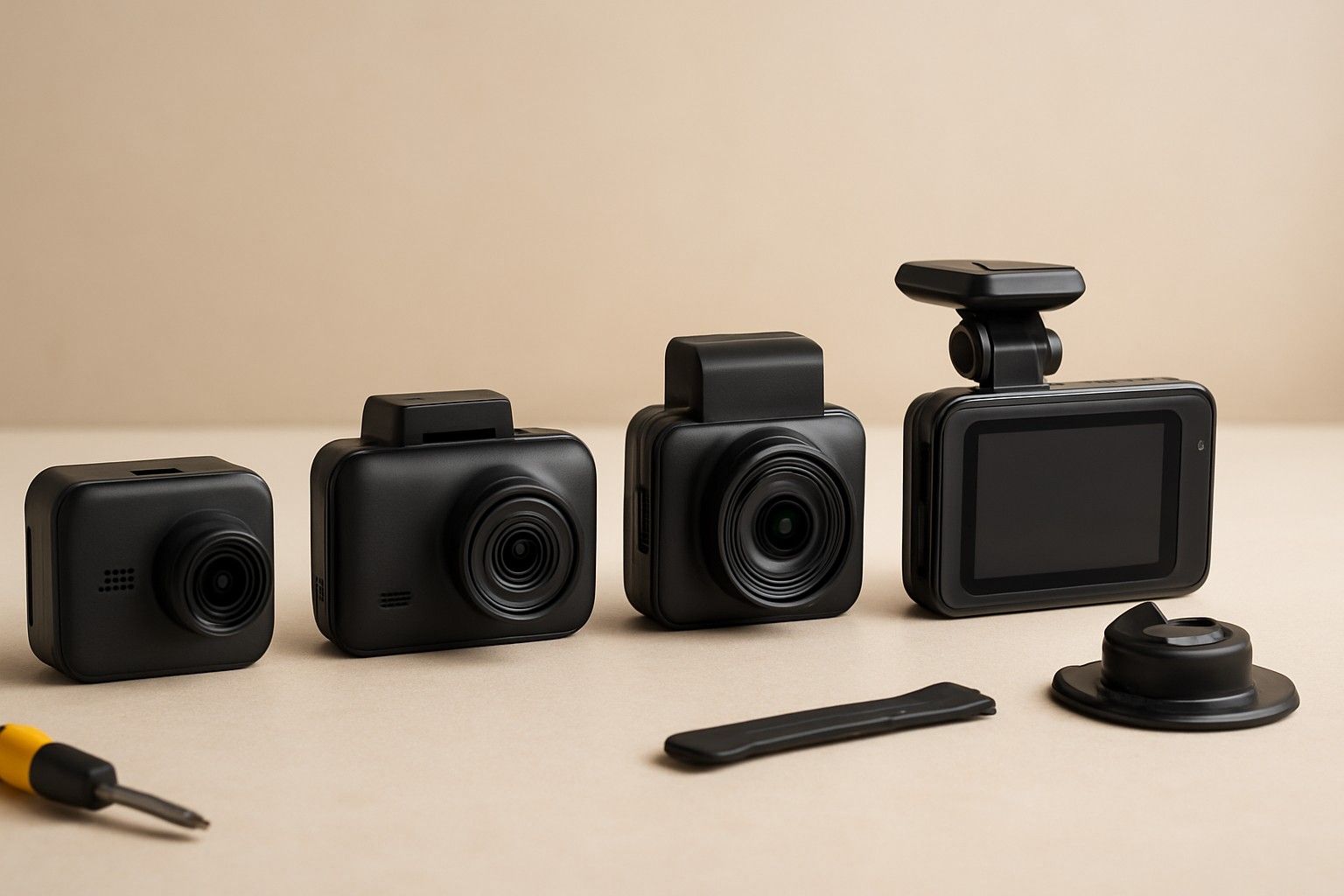
Buying a dash cam in India isn't one decision — it's a stack of them, and most people get stuck at the very first one without realising there are six more behind it. How many cameras do you actually need? Which specs let you read a number plate versus which ones just look good on a spec sheet? Will the thing survive a parked car in peak summer, and can you fit it yourself or does it need a trip to a fitment shop? This guide lays out the full shape of that decision in order — from whether a dash cam earns its place in your car at all, down to the mistakes that quietly ruin footage right when you need it — and points you to a deeper breakdown of each step.
Do You Actually Need a Dash Cam in India?
Before spending anything, it's worth settling whether a windshield-mounted camera that keeps recording the road actually solves a problem you have, or just adds another gadget to the dashboard. That question turns on what the device genuinely does for you — capturing usable video evidence when a dispute or collision happens on an Indian road, and doing it for a running cost that makes sense. Start here to understand how a dash cam records and protects you in an accident and decide if it belongs in your car at all.
Single-Channel vs Dual-Channel vs 3-Channel Dash Cams
Deciding how many cameras you want is the choice that shapes both your budget and how involved the install gets, more than any brand ever will. A front-only unit, a front-plus-rear pair, and a three-camera rig that also watches the cabin each suit a different kind of driving — city commuting, highway runs, or commercial use where the inside of the car matters. Work out which fits your routes rather than overbuying by learning to compare front-only, front-and-rear and cabin-facing setups.
The Specs That Decide Video Quality: Resolution, Night Vision and FOV
The whole point of a dash cam collapses if you zoom into the footage and the number plate is an unreadable blur. Resolution, night vision, HDR or WDR, field of view and frame rate all pull footage quality in different directions, and the biggest number on the box isn't always the one that helps. Cut through the marketing and know which recording specs genuinely matter for reading number plates before you shortlist anything.
Surviving Indian Heat, Dust and Power: What to Check
A camera that quits after one brutal summer or flattens your battery overnight has cost you money, not saved it — no matter the sticker price. The real test is whether a unit keeps working after hours baking in a car parked under direct sun, and whether it can still capture anything while the engine is off. This matters more than app polish, so see why summer heat and parking modes affect which dash cam survives here.
Installation and Wiring Options for Indian Cars
Once you've picked a camera, the practical puzzle is how it draws power and whether that's a job for you or a fitment shop. The answer leans on how much visible cabling you can tolerate and whether you need parking mode running with the ignition off, which changes the wiring entirely. Cover cable routing, cost and the storage settings you'll set up afterwards so you can plan whether you can self-fit it or need hardwiring done.
How Much Should You Spend on a Dash Cam?
Price alone is a poor guide — moving from ₹999 up toward ₹29,999 can buy a genuinely better sensor or just a fancier box around the same one. Knowing what each band between ₹999 and ₹29,999 actually delivers tells you whether a unit is fairly priced or charging for a name. Match a tier to your car and driving pattern and work out whether today's price is worth paying across the budget tiers.
Mistakes and Red Flags to Avoid Before Buying
Even a well-researched buyer can stumble at the checkout, tripped up by specs that read better than they perform or a unit with no real service support once it fails. A short set of final checks keeps you from ending up with a camera that folds after a few months in Indian conditions. Run through them to avoid the common buying mistakes that leave footage useless in a claim.
You now have the full map: whether you need one at all, how many channels suit your driving, which specs earn their keep, what survives Indian heat, how it gets wired in, what a fair price looks like, and the traps to sidestep before paying. Follow the step that's still open for you, and you'll be deciding from knowledge rather than guesswork.

Comments
Be the first to comment.