Dash Cam Price Guide: What You Get From ₹999 to ₹29,999
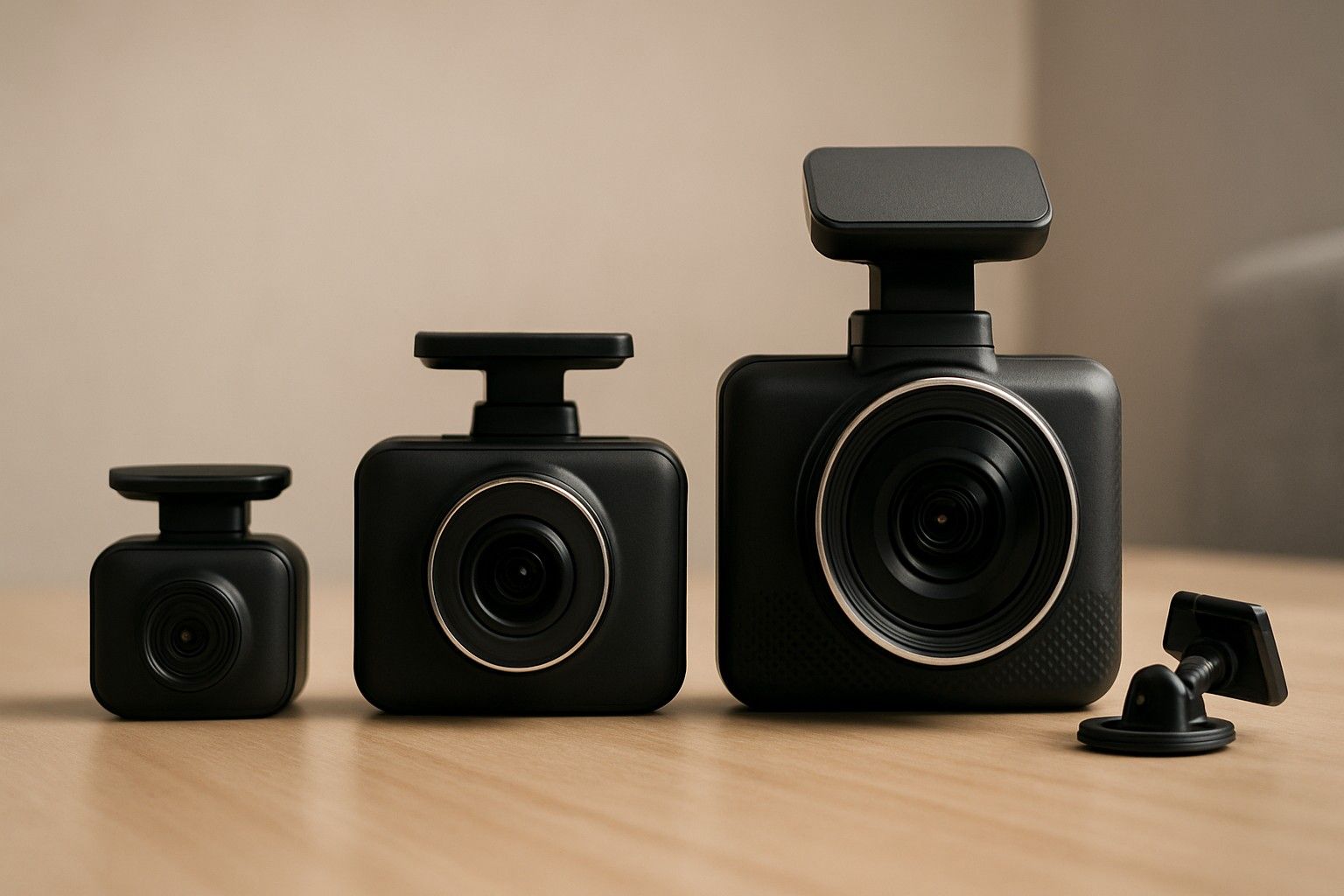
A dash cam's price tag tells you almost nothing on its own — a jump from ₹999 to ₹4,999 can mean a genuinely better camera, or just a bigger box with the same sensor inside. This guide breaks down what you actually get at each price point between ₹999 and ₹29,999, so you know whether the unit you're eyeing right now is priced fairly or is asking you to pay for a brand name rather than better recording. By the end, you'll know which tier fits your car and driving pattern, and whether today's price is one worth acting on.
What ₹999 to ₹29,999 Actually Buys You
Dash cams in India span an unusually wide range for what looks like a simple gadget, and the reason is that price tracks a handful of things buyers rarely check upfront: sensor quality, processing chip, storage handling, and how well the unit survives heat inside a parked car. At the low end near ₹999, you're mostly paying for a basic camera module and very little else — no reliable night recording, minimal heat tolerance, and software that can corrupt footage on cheap memory cards. At the top end near ₹29,999, the price reflects proper video processing, multi-channel recording, better low-light sensors, and hardware built to survive daily heat cycling in an Indian car dashboard without failing in a year. Between these two ends, the jump isn't linear — a lot of the real improvement happens in the middle of the range rather than at the very top, where you increasingly pay for extra channels and convenience features rather than core recording quality. Understanding this curve matters more than the sticker price itself, because two dash cams five hundred rupees apart can differ wildly in what actually gets recorded when you need the footage. The rest of this guide breaks that curve into tiers so you can match spend to what you actually need from the camera, not what a listing photo suggests.
Entry Tier Under ₹1,499: What to Expect and What to Avoid
Below ₹1,499, you're buying a basic recording device, not a safety tool you can fully rely on. Expect daytime footage that's watchable but soft on detail — number plates and faces often blur unless the other vehicle is close and well lit. Night and low-light recording is the weakest point at this tier; footage tends toward grain and glare from oncoming headlights, which matters a lot given how much Indian driving happens after dark or in dim, unlit stretches. Build quality is usually thin plastic with a mount that can loosen over months of vibration on rough roads, and heat tolerance is often poor, meaning cameras left in a parked car under direct sun for hours can lag, freeze, or shut off entirely. Storage handling is another common weak spot — many entry units don't loop-record cleanly, so the card fills up and either stops recording or overwrites footage you actually wanted to keep. What to avoid specifically: any unit at this price claiming full HD night vision, a wide feature list including features that never gets fully utilized, or no mention of operating temperature at all. If your budget genuinely sits here, treat the camera as a basic deterrent and casual recorder rather than a piece of evidence you can count on in a dispute — and check reviews for loop-recording complaints before buying, since that's the most common failure at this tier.
Mid Tier ₹5,499: The Sweet Spot for Most Buyers
The ₹5,499 band is where most of the meaningful quality jump happens, which is exactly why it covers the widest price spread in the category. At the lower end of this tier, you start seeing real improvements in daytime clarity and slightly better night performance, along with sturdier mounts and casings that hold up to daily heat and vibration. Toward the upper end of this band, you begin getting features that matter for actual usability in India: better handling of glare from oncoming headlights on unlit highways, more dependable loop recording so the card doesn't silently stop working, and casings rated to survive a car parked in direct sun through a full afternoon. This is also where you start seeing units with a second camera input for a rear or cabin view, though whether you need that depends on your vehicle and use case rather than just budget. For most private car owners doing a mix of city and highway driving, this tier delivers the clearest return per rupee spent — you're paying for reliability and usable footage quality rather than for extra channels or marginal spec bumps that show up further up the range. If you're deciding where to stop spending rather than where to start, this tier is the more defensible target for most single-camera setups, provided you check that loop recording and heat handling are explicitly mentioned rather than assumed.
Premium Tier ₹14,999: When It's Justified
Once you cross into the ₹14,999 range, the money increasingly goes toward things that matter for specific situations rather than universal need. This is where multi-channel setups become common — front and rear together, sometimes with a cabin-facing unit too — along with meaningfully better night recording, steadier footage during braking or on broken roads, and processing that keeps working reliably even during long, hot parking sessions. Whether this spend is justified depends heavily on your situation: if you drive a car used for ride-hailing or commercial purposes, if you frequently park on the street overnight, or if you've had a prior incident where single-camera footage wasn't enough to settle a dispute, the extra channels and reliability at this tier earn their price. If you're a private owner doing routine city commuting with secure parking, though, you may be paying for capability you'll rarely call on. Before spending here, it's worth understanding exactly what separates these units technically, since higher tiers unlock the better specs worth understanding first — sensor size, video bitrate, and processor quality drive the real-world difference far more than the presence of a second or third camera alone. Spend here when your use case genuinely demands multi-channel coverage or evidentiary-grade footage, not simply because a higher number feels safer.
Is the Average Price of ₹4,999 the Right Target?
₹4,999 sits inside the ₹5,499 band, and that placement isn't a coincidence — it reflects where the bulk of genuinely usable dash cams cluster once you exclude the barely-functional entry units and the multi-channel premium ones built for niche needs. Treating ₹4,999 as a target rather than a ceiling makes sense for a typical single-camera setup in a private car: it buys past the worst reliability issues of the entry tier without paying for channels or features a routine commute doesn't need. That said, "average" here describes market clustering, not a recommendation that fits every buyer. Someone with a straightforward city commute and secure parking can reasonably land below this figure and still get dependable footage, provided they check for the loop-recording and heat-tolerance basics covered earlier. Someone driving long highway stretches at night, or running a vehicle commercially, has good reason to spend above it. Use ₹4,999 as a sanity check rather than a rule: if a unit priced well below it promises premium-tier features, be skeptical: if a unit priced well above it can't clearly justify the gap with additional channels, better sensors, or sturdier build, question what you're actually paying for.
Using Price History to Judge Today's Deal
The price you see on a listing today means little without knowing where it sits against that model's own history — a dash cam that has genuinely never dropped below its current price is a different proposition from one that's simply sitting at its usual middle-of-range level. Checking price history before buying tells you whether the number in front of you is typical for that unit or unusually high for reasons unrelated to the product itself, such as a temporary demand spike or a listing error. It also protects against the opposite mistake: assuming a price is inflated when it's actually consistent with where that model has sat for months, which means there's no inflated premium being asked of you right now. The goal of checking history isn't to time a purchase around an eventual discount — it's to confirm that what you're being asked to pay today is a fair, historically normal price for that specific dash cam, so you can decide with confidence rather than second-guessing the number. If a unit's current price sits within its usual historical band and fits the tier expectations covered above, that's a reasonable basis to buy now rather than wait on an uncertain future drop. Price history is a fairness check, not a countdown timer — use it to confirm the deal in front of you, then act on it.
Matching Your Budget to the Right Configuration
Budget and configuration need to be decided together, not in sequence, because a channel setup that's wrong for your car will waste money regardless of which price tier it comes from. A single-channel front camera makes sense for most private cars doing routine driving, and it's achievable comfortably within the ₹1,499 to ₹5,499 range without compromising on the reliability basics. A front-and-rear dual setup starts becoming worthwhile once you're regularly reversing in tight urban parking, dealing with frequent rear-end near-misses in heavy traffic, or want coverage on both ends for insurance purposes — and this typically pushes you toward the upper ₹5,499 to ₹14,999 range. A three-channel setup adding a cabin view is more of a commercial or ride-hailing consideration than a private-car default, and it's rarely worth the spend for a personal vehicle used mainly for commuting. Before finalizing spend, it's worth working out which setup actually matches your vehicle and driving pattern, since you can decide which channel setup fits your budget rather than buying channels you won't use. The right question isn't "what's the best dash cam I can afford" but "which configuration does my driving actually require," and letting that answer guide the tier keeps you from overspending on capability or underspending on reliability.
Between ₹999 and ₹29,999, the honest answer to how much you should spend depends less on the number itself and more on matching tier to actual use — entry-level for casual backup, ₹5,499 for most private cars, and ₹14,999 only when your driving genuinely demands multi-channel coverage. Check the specific unit's price history against these tier expectations, and you'll know whether today's price is a fair one to act on.

Comments
Be the first to comment.