Single-Channel vs Dual-Channel vs 3-Channel Dash Cams: Which One to Get
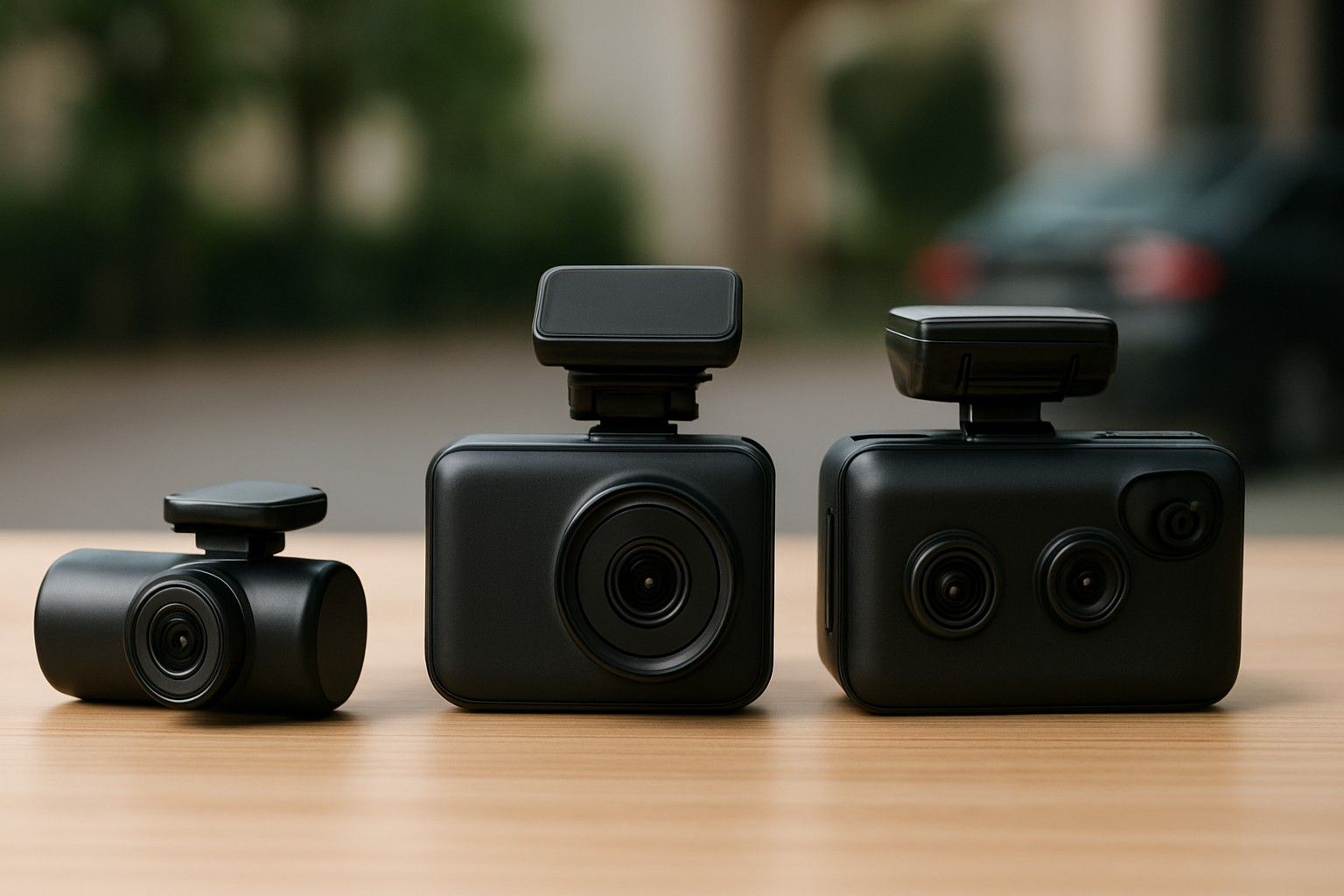
The number of channels is the first fork in the road when buying a dash cam, and it decides more about your final price and install effort than any brand or feature list. If you're stuck between a front-only unit, a front-and-rear pair, or a 3-channel setup with a cabin camera, this is about matching the cameras to how and where you actually drive, not buying more than you need.
What Each Channel Actually Covers
A dash cam "channel" simply means one camera feed recording to the same device. A single-channel unit has one lens, almost always facing forward through the windscreen, capturing the road ahead, oncoming traffic, and whatever happens in front of your bonnet. A dual-channel (2-channel) dash cam adds a second, smaller camera usually mounted on or near the rear windscreen, or wired to the boot area on some SUVs, so it records what's happening behind you at the same time. A 3-channel dash cam keeps both of those and adds a third lens pointed inward at the cabin, covering the driver, front passenger, and sometimes the back seat depending on the angle and mounting position.
Each extra channel is a separate recording, not a wider single view, so a 3-channel system is really three cameras writing to one memory card in sync, timestamped together. That matters when you're reviewing footage after an incident, since you can pull the front, rear, and cabin clips for the same few seconds and see the full picture instead of one angle. It also means more channels place a heavier continuous load on the storage card and the processor, which is worth keeping in mind before assuming more cameras is automatically the better buy for your situation.
Front-Only: Who It's Enough For
A single-channel dash cam is the right call if your driving is mostly city commuting, your parking is off-street or supervised, and your main worry is proving fault in a head-on or T-bone collision, or capturing the number plate of a vehicle that cuts you off. Most disputes on Indian roads, whether with another car, an auto, or a two-wheeler, happen in front of you, and a clear forward-facing recording settles the "who jumped the signal" or "who was in the wrong lane" argument without needing a rear angle at all.
It's also the simpler purchase from a fitting standpoint: one camera, one cable run to the fuse box or a cigarette lighter socket, and nothing threading across the roof lining to the back glass. If you drive a hatchback or sedan you've owned a while and don't want to disturb the interior trim, or if you're buying your first dash cam and want to see how useful the habit of recording actually is before spending more, front-only is a sensible starting point rather than a compromise. The gap it leaves is rear-end accidents, hit-and-run parking dings, and anyone tailgating aggressively on the highway, none of which get captured if there's no camera looking backward.
Front + Rear: Best for Highway and Rear-End Claims
A front-and-rear dash cam earns its keep the moment your driving includes stretches of highway, regular tailgating traffic, or parking in busy public spaces where someone reversing into your bumper is a real possibility. Rear-end collisions are one of the most common insurance disputes precisely because fault is usually assumed to lie with the car that hit from behind, but that assumption doesn't always hold up, and having your own rear footage removes the guesswork instead of leaving it to a bystander's account or a garage estimate.
The second camera also earns its place for lane-change disputes on national highways and expressways, where a vehicle overtaking and cutting back in too early is far easier to prove with a rear angle showing the gap it left. For families doing frequent intercity drives, or for anyone who's ever come back to a parking lot dent with no note left behind, the rear channel changes what you can actually claim on insurance rather than just what you can describe. The trade-off is a wire that has to travel from the front unit to the back glass, usually tucked along the door frame and roof lining, which is a bigger fitting job than a single camera but still well within a half-day install for most cars.
3-Channel with Cabin View: When It's Worth It (Taxi, Fleet, Family Driver)
The cabin-facing third channel is built for situations where what's happening inside the car matters as much as what's happening outside it. Commercial drivers, cab aggregator vehicles, and fleet operators use this footage to settle passenger disputes, prove a fare wasn't overcharged, confirm seatbelt use, or protect the driver against a false complaint, all of which are common enough in Indian ride-hailing and taxi work that the extra camera pays for itself quickly. Many fleet insurance and aggregator compliance requirements now expect this kind of internal record, which pushes commercial buyers toward 3-channel setups even when the vehicle itself doesn't warrant it otherwise.
For a private family car, the cabin view is worth it mainly if you have a new or young driver in the household and want visibility into how the car is actually being driven, or if you regularly carry passengers, staff, or children and want a record of the cabin in case of an incident involving them specifically. Outside these cases, the third camera is the one most private owners can skip without losing much practical protection, since the core accountability most buyers want, proving fault in a collision, is already covered by the front and rear channels. It's worth being honest with yourself here: buying a 3-channel unit for a personal hatchback that's rarely driven by anyone but you is usually more camera than the situation calls for.
How Channel Count Affects Wiring and Price
Every additional channel adds a camera, a cable, and usually a small mounting bracket, and all of that has to be planned before the car goes in for fitting, not decided on the spot. A single-channel dash cam needs one power line, typically run along the A-pillar to a fuse tap or the OBD port. A dual-channel setup adds a second cable that has to travel the length of the cabin to the rear glass, usually hidden under the door sill trim and roof lining, which takes longer at the installer's bay and is harder to do neatly yourself. A 3-channel system adds a third short cable for the cabin camera, generally mounted near the rearview mirror, which is a shorter run but still another connection point and another thing that can come loose or need re-routing if the car goes in for other electrical work later.
This is exactly why more channels mean more wiring to plan for during fitting, and it's worth discussing the routing with your installer before you buy rather than after, especially if you have aftermarket interior work, sunroof wiring, or existing dashcam wiring that the new cables need to avoid crossing. The price difference between channel counts isn't just the extra camera hardware either; it reflects the additional processing needed to record multiple synced streams and the storage card capacity to hold them, so a jump from single to 3-channel is a jump in both fitting complexity and ongoing card wear, not just the sticker price of the unit.
Matching Channel Choice to Your Budget
Dash cams in the Indian market span ₹999 to ₹29,999, with the average sitting around ₹4,999, and channel count is one of the clearest lines separating what you get at each price point. Single-channel units dominate the ₹1,499 bracket, where the money goes into a decent front lens and basic loop recording rather than a second or third camera. Once you move into the ₹5,499 range, front-and-rear dual-channel systems become realistic, along with sharper front-camera resolution and better low-light performance, which matters as much as the extra channel itself. The ₹14,999 tier is where genuine 3-channel systems with a proper cabin camera, more reliable night recording across all channels, and sturdier build quality start showing up.
Rather than stretching for the highest channel count your budget allows, it's worth deciding first whether your driving pattern actually calls for rear or cabin coverage, then choosing the tier that fits that need without compromising on core recording quality just to afford an extra lens you won't use. A well-specced single-channel camera in the ₹5,499 range often serves a city-only driver better than a 3-channel unit bought at the low end of ₹14,999 with a weaker front camera. You can see how each configuration lands across the price tiers in more detail before finalising a budget, since the right channel count and the right price bracket need to be decided together, not separately.
Whether a front-only, front-and-rear, or 3-channel dash cam is the right pick comes down to where the risk actually sits in your driving, city traffic disputes, highway rear-end claims, or in-cabin accountability for taxi and fleet use, and not to which setup simply has the most cameras. Once you've placed your own driving against those three scenarios, the channel count stops being a guess and becomes a straightforward match to your budget and your car's wiring.

Comments
Be the first to comment.