How to Pick a Gaming Chair That Holds Up to Indian Heat and Long Sitting Hours
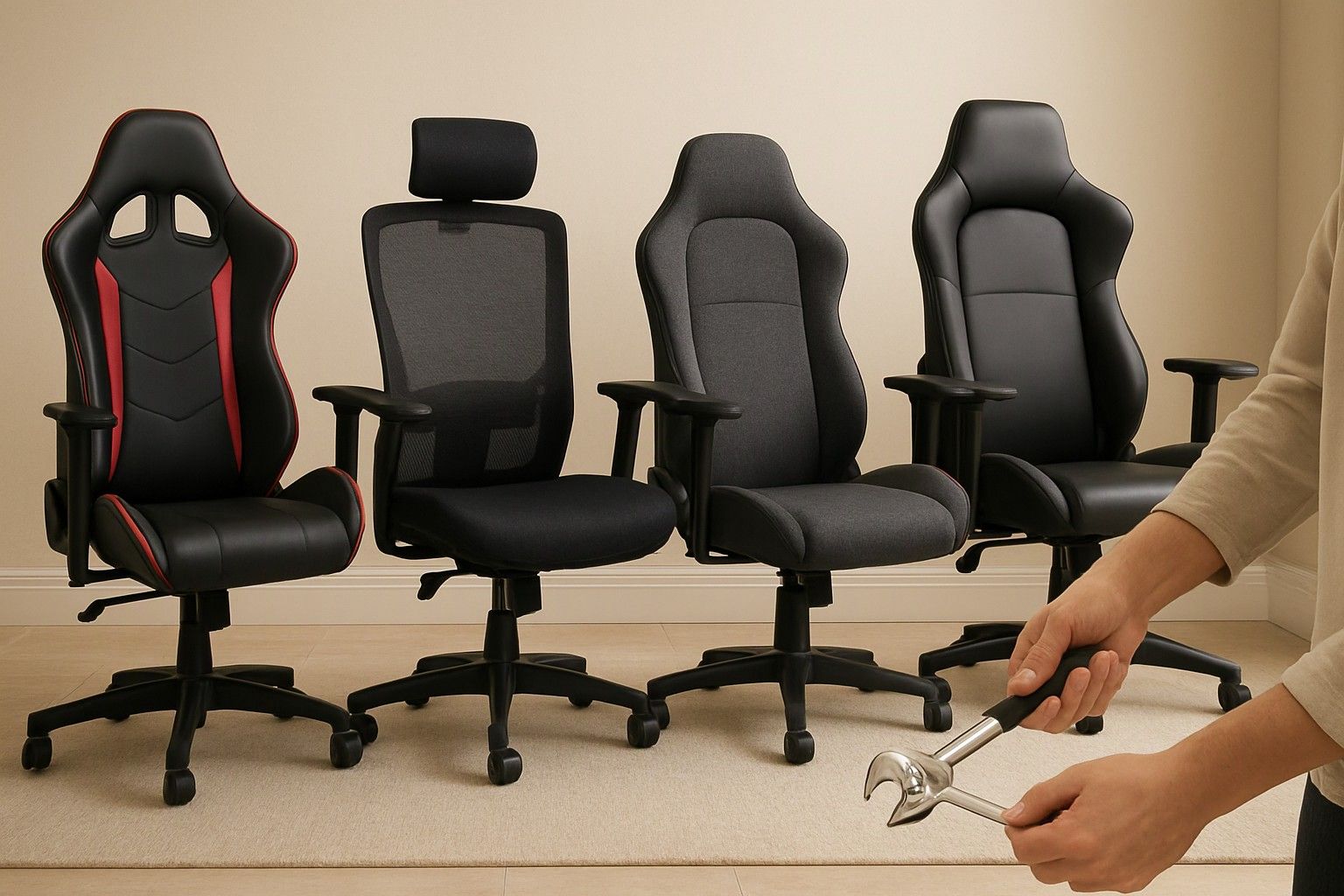
A gaming chair is a bigger decision than the bold styling suggests. In India it has to handle sticky summers, damp monsoons and sessions that often stretch across a full working or study day. This guide walks through the choices in the order they matter: whether this type of chair suits you at all, how it fits your body and desk, which upholstery copes with local weather, which adjustments are worth paying for, how to judge build quality, and what a fair price looks like. It finishes with the warning signs to watch for in listings and what owning the chair involves after delivery. Each section links to a dedicated article if you want the full detail.
Is a Gaming Chair Right for You, or Would an Office Chair Serve Better?
Before comparing gaming chairs with each other, settle whether this is the right kind of seat for your routine. Remote-work shifts and exam preparation can keep you seated for most of the day, and the two designs pull in different directions. Gaming chairs favour leaning back and a striking look, while office chairs are designed to keep you supported sitting upright for hours. The comparison weighs lumbar support, how warm each one gets and the money involved, so check whether an ergonomic office chair suits your hours better before committing.
Getting the Fit Right for Your Height, Weight and Desk
Listings often present a chair as suitable for everyone, but that rarely holds at the edges. Buyers shorter than about five foot five, taller than six foot, or heavier than 100 kg are the ones most likely to end up with a poor fit. The numbers worth comparing include the load rating, how deep and wide the cushion is, how far up the backrest reaches and how it all lines up with your desk. This article shows you how to match seat dimensions to your height and weight before you place an order.
Choosing Upholstery That Survives Humid Summers and Monsoons
PU leather photographs well, yet in coastal humidity and through the rainy months it tends to turn tacky against skin and eventually flake. If your room runs warm or your sessions are long, fabric or a mesh backrest is generally the safer choice, though both come with their own compromises. Someone who sits in an air-conditioned space most of the time can still reasonably choose PU. This guide breaks down how PU leather, fabric and mesh cope with humid summers and how to pick a material based on where you live.
Recline, Armrests, Lumbar and Footrests: Separating Useful from Gimmicky
Product pages love long feature lists, but only a handful of adjustments noticeably change how your back and shoulders feel, and how your legs hold up, after a long session. Four-way armrests, a near-flat recline and a pull-out footrest are each judged on whether they justify the extra money or simply lengthen the spec list. Read up on which adjustments are worth paying extra for so you are not paying for numbers that look good on paper.
Judging the Build: Gas Lift, Base, Frame and Foam
Chairs that give up early usually do so in one of three ways: the seat slowly drops, the base cracks, or the cushioning goes flat. None of those parts can be assessed from a listing image, which is exactly why so many buyers get caught out. To know whether a chair will stay steady and supportive after two or so years of daily sitting, learn how to judge gas lifts, bases and foam quality before you buy.
What Gaming Chairs Cost Across ₹5,000 to ₹35,000
Gaming chairs in India range from ₹5,000 up to ₹35,000, with the average sitting at ₹8,000. Chairs in neighbouring brackets can look almost identical while differing far more in what sits underneath the cover. Splitting the market into ₹6,500, ₹8,500 and ₹20,000 makes it easier to see what each price bracket realistically delivers, so you can weigh the listing you are considering against its specs and buy with confidence now.
Spotting Fake Specs, Unsafe Cylinders and Weak Warranties
Many bad purchases, such as chairs that sink, split when loaded or carry a doubtful cylinder, give themselves away before checkout if you know where to look. The product page, buyer reviews and the fine print of the warranty usually hold the clues. This guide covers listing warning signs and certifications worth checking, what a given claim does and does not prove, and when it is time to walk away from a chair.
Living With the Chair: Assembly, Cleaning and Spare Parts
Expect some DIY on day one, since the chair is delivered flat-packed and has to be put together. Over the following twelve to twenty-four months, the wheels, cylinder and covering are usually the first parts to need care, showing up as a persistent creak, flaking surfaces or a seat that drops. Here you will find what assembly, cleaning and part replacements involve, along with the components worth keeping an eye on.
You now have the full route through the decision, from chair type and fit to material, features, build, price, red flags and upkeep. Work through the sections that apply to you, check the listing in front of you against what the category typically offers at that price, and you will be in a position to choose a chair that stays comfortable through Indian summers and long days at the desk.

Comments
Be the first to comment.