Gaming Chair Prices in India: What Each Budget Actually Gets You
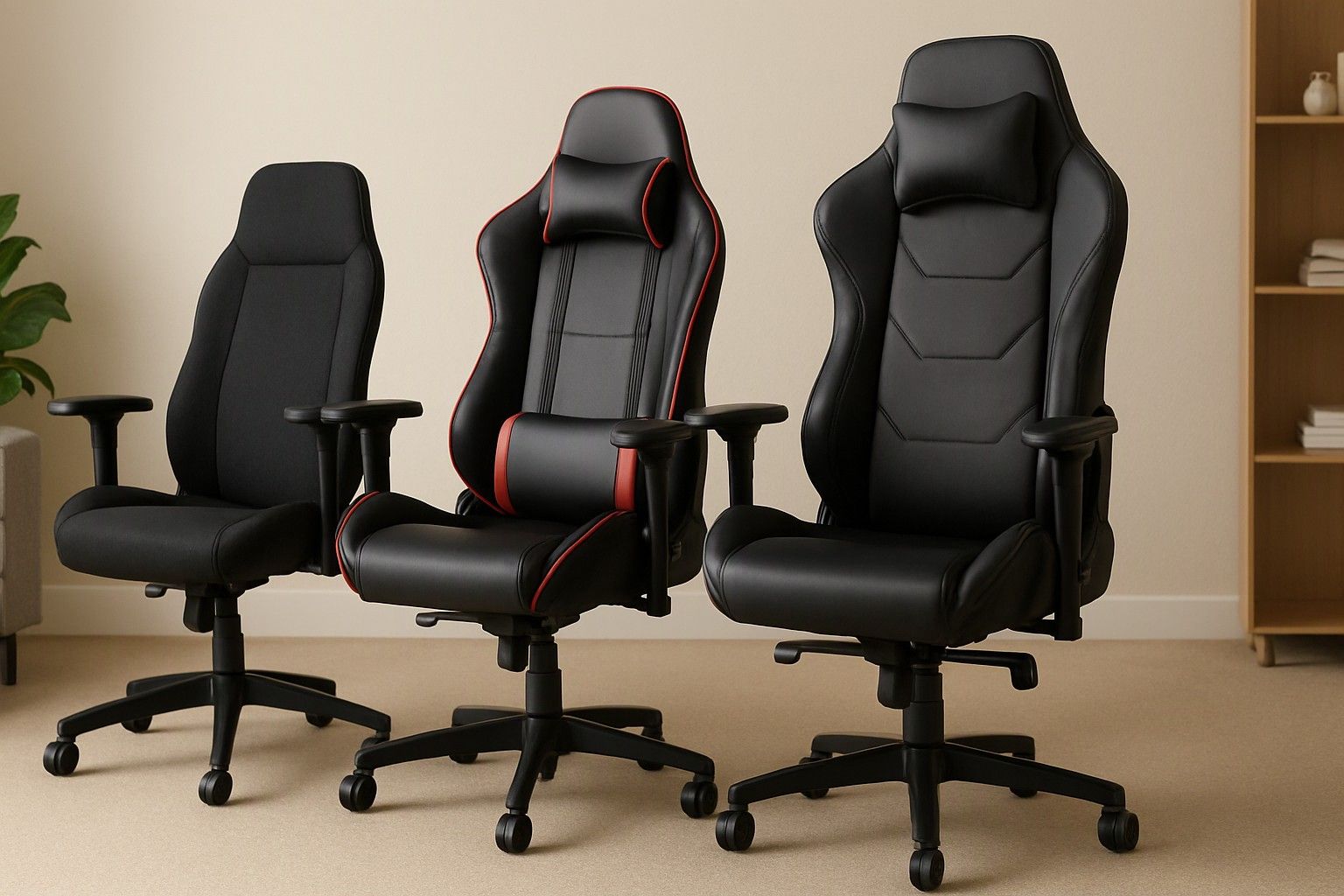
If you have a gaming chair open in a tab and are wondering whether its price is fair, this page is for you. Gaming chair prices in India stretch a long way, and the gap in build quality between one bracket and the next is far bigger than the gap in looks. Below, each bracket is broken down by what it realistically delivers, so you can check the price in front of you against the specs and decide today.
The Overall Price Range: ₹5,000 to ₹35,000
Gaming chairs in India run from ₹5,000 at the low end to ₹35,000 at the top, with an average of ₹8,000. That spread exists because two chairs that look nearly identical in photos can be built very differently underneath. The racing-style shape, the headrest pillow and the lumbar cushion are cheap to add, so they appear at almost every price. What changes with the price is what you cannot see in a listing photo: the thickness of the upholstery, the density and type of the foam, the strength of the frame, the quality of the gas lift and the way the armrests move.
The three working brackets are ₹6,500, ₹8,500 and ₹20,000. Above that sits a small group of premium chairs priced towards ₹35,000. Each step up tends to fix a specific weakness of the bracket below it, which is why a higher price is often justified when it buys a stronger frame or better foam, and rarely justified when it only buys extra styling. The sections below go through those steps one at a time.
The ₹6,500 Bracket: Basic Chairs and Their Compromises
Chairs in the ₹6,500 bracket give you the gaming-chair look and a seat that works for casual, shorter sessions. To hit this price, makers cut cost in the places buyers check least. Expect thin PU leather over a basic foam pad, a lighter frame with more plastic parts, a simpler tilt mechanism and armrests that are fixed or move only up and down. The foam is usually soft when new and tends to flatten sooner under daily use. If you want to understand why most entry chairs use thin PU leather, it comes down to cost and appearance, but the trade-off is peeling and heat retention over time, which matters in Indian summers.
This bracket suits a lighter user, a secondary room, or someone who sits for a couple of hours at a stretch. It is a poor fit for long workdays, heavier users or anyone with back discomfort. At ₹5,000, the lowest listed price in the category, the compromises are at their greatest. A chair near the top of this bracket is usually a safer purchase than one at the very bottom, because the extra spend tends to go into the base and gas lift, which are the parts that fail first.
The ₹8,500 Bracket: Where Most Buyers Land Around the ₹8,000 Average
The ₹8,500 bracket is where the ₹8,000 average sits, and it is where most buyers find the best balance of comfort and cost. Compared with the entry tier, you typically see thicker padding, better stitching, a more stable base and a tilt mechanism that locks in more than one position. Armrests often adjust in height and sometimes in a second direction. Many chairs here offer a recline range that lets you lean back to rest between matches or calls.
The compromises that remain are mostly in materials and long-term durability. Upholstery is still commonly PU leather, and the foam may be standard rather than a higher-grade type, so comfort over very long sessions can fade sooner than in the tier above. Frames may mix metal and reinforced plastic.
If you play or work for three to five hours a day at a normal body weight, this bracket usually covers you. Treat the lower half as a sound starting point and the upper half as the place to look for stronger frames and better armrests. If the chair you are eyeing sits near the average, you are paying what this category typically costs for a dependable everyday chair.
The ₹20,000 Bracket: Metal Frames, Cold-Cure Foam and 4D Armrests
Moving into the ₹20,000 price of premium gaming chair, the improvements are structural rather than cosmetic. Chairs here commonly use a full metal frame, cold-cure foam that holds its shape longer than basic foam, and 4D armrests that adjust in height, depth, width and angle. The reclining range is usually wider, the tilt mechanism is firmer, and the base and castors are built to carry load for years rather than months. Upholstery options also widen, with better PU leather, fabric and sometimes breathable materials.
These are the build upgrades that justify higher prices, because they address the failures people report most: sagging seats, wobbly bases, armrests that loosen and gas lifts that sink. You feel the difference most when you sit for six hours or more, are taller or heavier, or use the chair for work as well as games.
If you only play casually, you are paying for durability you may never fully use. If this chair will be your daily seat for years, spreading the cost over that life makes this bracket the strongest value in the category.
Chairs Priced Towards ₹35,000: Who Actually Needs Them
Chairs priced towards ₹35,000 sit in a narrow premium segment, and the returns on every extra rupee shrink noticeably. At this level you are paying for finer adjustability, higher-grade materials, more refined mechanisms, premium finishes and sometimes a longer warranty. The core comfort gains over a well-built chair in the ₹20,000 bracket are real but smaller than the jump from the entry tier to the middle.
These chairs make sense for specific people: those who sit for most of the working day, heavier or taller users who strain mid-range frames, and buyers who want one chair to last a decade of heavy use. They also suit anyone who has already tried a mid-range chair and found its adjustment range too limited for their body.
If you play a few hours a day, or you are buying your first gaming chair, you are unlikely to feel the difference enough to justify the gap. For most buyers, a solid ₹20,000 chair delivers the bulk of the benefit at a much lower cost, and that is the better-reasoned purchase.
Judging Whether a Listed Price Is Fair for Its Specs
A fair price is one where the specs match the bracket the price falls in. Start by placing the listed price in its bracket, then check whether the chair has what that bracket normally includes. If it sits in the ₹8,500 range, you should see adjustable armrests, a multi-position tilt lock and a sturdy base. If it is priced at the ₹20,000 level, look for a metal frame, cold-cure foam and 4D armrests. A chair priced in a higher bracket but listing only the features of a lower one is overpriced.
Watch for vague wording. Phrases like "premium foam" or "strong frame" with no material named usually mean the basic version. Specific details such as foam type, frame material, gas lift rating, weight capacity and warranty length are signs of a maker who stands behind the build.
Also compare the price with ₹8,000. A chair well above the average should justify it with real structural upgrades, not extra cushions or RGB-style trim. If the specs line up with the bracket, the price is fair, and you can buy with confidence rather than keep comparing.
Pairing Your Budget With the Right Specifications
Once you know your bracket, decide which specs deserve your money first. Spend on the parts that fail or affect your body: the frame, the gas lift, the base and the foam. Cut back on styling extras such as printed logos, extra pillows and colour combinations. A plain chair with a strong build outlasts a flashy one with a weak base.
If you are in the lower brackets, prioritise a stable base and a height-adjustable seat over extra recline features. In the middle bracket, aim for adjustable armrests and a lockable tilt. In the upper brackets, check the foam type and armrest movement. Your height, weight and daily sitting hours should decide how far up you go, and matching a price bracket to your fit and material needs is covered in detail in the main buying guide.
Material choice matters in India's climate too. If your room gets warm, a breathable upholstery at a slightly lower bracket can feel better than leather-look material at a higher one.
You now have what you need to answer the question you came with. A price is fair when the frame, foam, armrests and base match what that bracket normally delivers, and unfair when they do not. Check the listing against the bracket it falls in, and you can make the call today.

Comments
Be the first to comment.