Geyser Installation and Maintenance: Costs and Upkeep Over Time
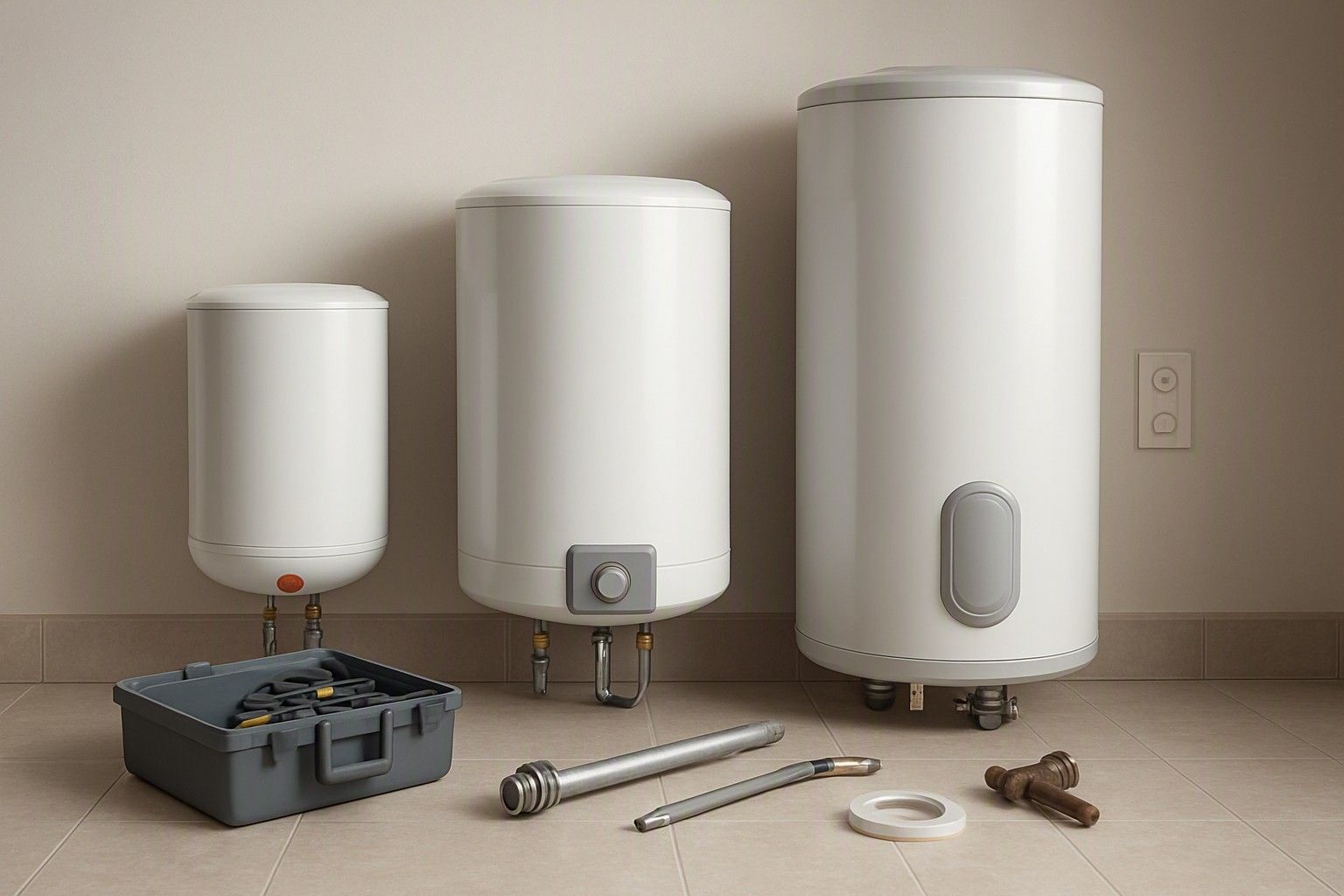
Most people price a geyser once, at the shop counter, and never again — but installation charges, annual servicing, and replacement parts add up over the years the unit sits on your bathroom wall. If you're trying to work out what a geyser really costs to own, not just to buy, this covers every recurring expense from the day it's mounted to the day it's decommissioned.
Installation Requirements and Typical Charges
Installation is rarely bundled into the price you pay at the store, and it's the first cost most buyers underestimate. A standard storage geyser install involves mounting brackets, an inlet-outlet plumbing connection, a pressure relief valve, and often an electrical point with proper earthing — none of which is optional if you want the unit to run safely. Retailers and brands typically charge a flat installation fee separate from the appliance itself, and this fee doesn't move much whether you bought a unit at the ₹2,000 end or one priced closer to ₹25,000, because the labour and hardware involved are largely the same regardless of tank capacity.
What does change the cost is your existing setup. If you already have a compatible plumbing point and electrical line from a previous geyser, installation is quick and cheap. If you're starting from scratch — no wall point, no existing pipe run, an old-style socket that needs upgrading to handle the load — expect additional charges for extra fittings, wiring, and sometimes a call-out visit just to assess the site. Instant geysers, being smaller and lighter, generally cost less to install than storage tanks in the ₹6,000 to ₹15,000 range, since they need less robust wall support and simpler plumbing. Always ask for the installation charge upfront and in writing before the unit is delivered, so it doesn't arrive as a surprise add-on.
Wall Strength, Plumbing and Placement
A geyser filled with water is considerably heavier than it looks on the shelf, and this is where a lot of installation problems start. Storage tanks in the 15-25 litre range, once full, can weigh well over their empty weight, and mounting one on a hollow partition wall or weak brickwork is a genuine safety risk, not just a durability concern. Bathrooms built with lightweight blocks or false walls often need reinforcement — a wooden or metal backing plate — before a geyser can be safely hung, and that's an extra cost your electrician or plumber should flag during the site visit, not after the unit is already up.
Placement also affects your ongoing plumbing costs. A geyser installed far from the point of use loses more heat in the pipe run and takes longer to deliver hot water, which is a minor but real efficiency loss you pay for every month on your electricity bill. Ideally it sits close to the bathroom or kitchen tap it serves, with a short, insulated pipe run. Pressure also matters: geysers in high-rise apartments with strong municipal or pump-fed water pressure need a pressure-rated inlet valve, while low-pressure areas may need a different valve setup entirely. Getting this placement and plumbing right the first time avoids repeat plumber visits later, which cost more cumulatively than getting it assessed properly at installation.
Descaling and Servicing Schedule
A geyser's tank accumulates mineral scale from the inside out, and how fast that happens depends almost entirely on your water source. This buildup reduces heating efficiency, makes the unit noisier, and eventually shortens the life of the heating element, so descaling isn't a cosmetic service — it directly affects both your electricity bill and how long the geyser lasts before a costly repair. As a general rule, a geyser running on reasonably soft municipal water can go longer between services, while hard water areas need more frequent servicing to prevent scale from choking the tank and valves.
Most brands recommend annual servicing as a baseline, but in genuinely hard water regions, six-monthly descaling is closer to reality if you want the unit to perform consistently. A typical service visit checks the anode rod, clears sediment from the tank base, tests the pressure relief valve, and inspects the heating element for scale coating. Skipping this for two or three years doesn't just risk a breakdown — it usually means the unit is working harder to heat the same amount of water, quietly pushing up your power bill in the background. Budgeting for a service call once a year is a small, predictable cost against the alternative of an emergency element replacement or a leaking tank.
Anode Rod and Heating Element Replacement
The anode rod is a sacrificial part inside the tank — it corrodes on purpose so the tank's inner lining doesn't. Once it's worn down, the tank itself becomes the next thing corrosion attacks, which is why anode replacement is one of the cheapest and most cost-effective maintenance steps a geyser owner can do, yet it's the one most people never think about until a technician mentions it during a service call. Depending on water quality, an anode rod typically needs replacing every couple of years; in harder water, that interval shortens.
The heating element is a bigger-ticket replacement and tends to fail either from age or from scale buildup insulating it so heavily that it overheats and burns out. Element replacement costs vary by tank size and element type, but they're a meaningful expense relative to a budget-tier geyser priced under ₹2,000 — sometimes running to a noticeable fraction of what the whole unit cost new. This is one reason regular descaling matters: a clean tank protects the element and delays this exact expense. If your geyser is heating unevenly, taking noticeably longer to warm up, or making a knocking or rumbling sound, a stressed heating element buried under scale is usually the cause, and it's worth having it checked before it fails outright and leaves you without hot water.
Understanding Warranty Terms and Exclusions
Geyser warranties are split, and this trips up a lot of buyers who assume the whole unit is covered for the same period. Typically there's a shorter warranty on the overall product — covering the body, thermostat, and general workmanship — and a separate, longer warranty specifically on the inner tank against manufacturing defects that cause leaks or rusting through. These two periods are rarely the same length, and the tank warranty is the one worth reading carefully since tank failure is the most expensive thing that can go wrong.
What warranties exclude matters just as much as what they cover. Damage from scale buildup, corrosion linked to not replacing the anode rod on schedule, damage from voltage fluctuations without a stabiliser, or failure due to installation by an unauthorised technician are all commonly excluded — meaning skipping the maintenance covered in the earlier sections can actually void the very warranty you're relying on. Keep the installation invoice and any service records, because claiming under warranty almost always requires proof that the unit was installed and maintained as specified. This is especially relevant for anyone buying at the higher end of the range, closer to ₹25,000, since a longer tank warranty is often the main thing justifying that price gap over a ₹6,000 unit.
Service Availability and Spare Parts in Your City
A geyser is only as good as the service network behind it once something goes wrong, and this varies far more by city and brand than most buyers realise before purchase. In larger cities, authorised service centres are usually reachable within a day or two, and common spare parts — anode rods, thermostats, heating elements — are stocked locally. In smaller towns, the wait for a technician or a specific spare part can stretch to a week or more, especially for less common tank sizes or older models, which turns a routine repair into an extended stretch without hot water.
Before buying, it's worth checking whether the brand has an authorised service presence in your specific city or town, not just a national customer care number that dispatches someone from three towns away. This matters more than the brand name on the box. If you're still weighing these ownership costs against the upfront price and trying to decide which tank size or type fits your household, it's worth taking a step back to revisit the main buying guide before deciding, since installation, servicing, and spare-parts access are all factors that should feed into that initial choice, not surprises discovered after the unit is already on the wall.
Between installation charges, periodic descaling, anode and element replacement, and knowing what your warranty actually protects, the real cost of owning a geyser extends well past the ₹1,500 to ₹25,000 range on the price tag. Budget for these as predictable, recurring costs rather than surprises, and the appliance will run reliably — and cheaply — for far longer than one that's installed once and left untouched.
Comments
Be the first to comment.