Juicer Price Guide: What You Get at Each Budget
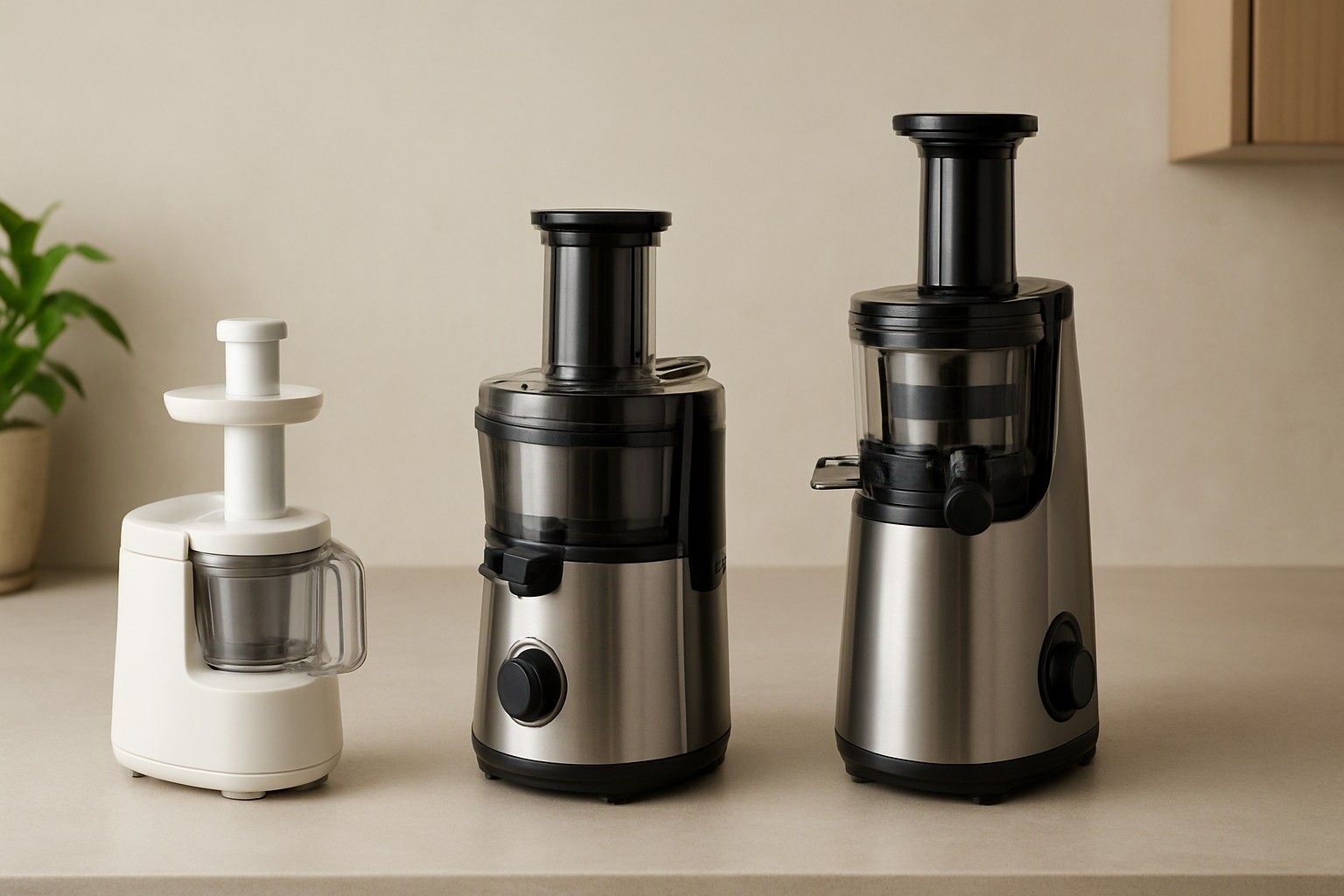
If you're trying to decide how much to spend on a juicer in India, this guide shows what each budget actually buys and where extra money stops adding value. It is written for buyers who are ready to purchase and want to know whether a price is fair for the category. By the end you should be able to pick a tier with confidence.
What Juicers Cost in India Today
Across the category, juicer prices run from ₹499 at the entry end to ₹20,000 at the top, with a typical price of ₹4,999. That is a wide spread, and it does not come from branding alone. It reflects real differences in how the machine extracts juice, how sturdy the motor and body are, and how much effort the cleanup takes.
This guide splits the market into three tiers: ₹1,500, ₹4,500, and ₹12,000. A few machines sit above the third tier, up to the category maximum, but most households never need to look there.
The ₹4,999 figure is useful as a reference point. A juicer priced near it should feel solid and handle everyday fruit and vegetable juicing without fuss. One priced well below should be judged for what it leaves out. One priced well above should be able to name the extra capability you are paying for, such as slower extraction, better yield, or a build meant for daily use.
Under ₹1,500: What to Expect
Machines in the ₹1,500 tier are built to get you juicing cheaply, and they do that job for soft, watery produce. Oranges, sweet lime, pineapple, and watermelon go through reasonably well. Harder or fibrous items like carrot, beetroot, and leafy greens are where these models struggle.
Expect a lighter body, a smaller feed opening, and more pulp left in the juice. Yield is usually lower, meaning you get less juice from the same produce, so over months the savings on the machine can be partly offset by what you throw away. Motors in this tier can heat up with longer sessions, so they suit short, occasional use better than a daily routine for a large family.
Cleaning is another trade-off. Cheaper models often have more small parts and mesh surfaces that trap fibre, and the cleanup can be fiddly enough that people stop using the machine.
This tier makes sense if you juice occasionally, mostly citrus or similar soft fruit, or if you want to test whether juicing becomes a habit before spending more. If you already know you will juice several times a week, it is likely to frustrate you.
The ₹4,500 Sweet Spot for Most Homes
For most Indian households, this is where the money is best spent. Moving from the entry tier to ₹4,500 brings noticeable gains in the things that decide whether a juicer stays on the counter or ends up in a cupboard.
You typically get a sturdier motor that copes with harder produce like carrot and beetroot, a wider feed chute that cuts prep time, better yield with drier pulp, and a more stable body that doesn't walk across the counter. Many models here also have easier-to-clean parts and a larger pulp container, which matters when you are making juice for a family rather than one glass.
This tier also includes the first slower-extraction designs for buyers who want better juice quality without moving into premium pricing. They tend to be quieter and gentler on leafy greens, though they usually work more slowly than fast models.
If your juicing is a few times a week and covers a mix of fruit and vegetables, this tier gives you capability you will actually use. Spending less risks frustration, and spending more only makes sense if you have a specific need the next tier answers.
₹12,000 and Premium Cold Press Machines
At ₹12,000, you are mostly paying for slow, press-style extraction rather than a faster motor. These machines crush and squeeze produce at low speed, which means less foam, less oxidation, and more juice from leafy greens, wheatgrass, and fibrous vegetables. Juice often holds its texture and colour longer before it separates, which matters if you prepare it ahead.
Build quality improves too, with more durable parts, quieter operation, and designs meant for regular daily use. The trade-offs are real: they are slower, the feed openings can be smaller so prep takes longer, and cleanup involves more components. If you want the detail on why cold press models sit at the top of the range, the difference comes down to extraction method, yield, and the kind of produce each handles well.
This tier suits people who juice daily, rely on greens or hard vegetables, or care about yield enough that the saved produce adds up over time. A few machines go beyond this tier up to ₹20,000, usually adding capacity or extra features. If you only juice oranges once a week, you will not feel the benefit of paying for this level.
Is Today's Price Actually a Good Deal
A fair price is one that matches the tier the machine belongs to. Start by placing the juicer on the scale: if it is near ₹4,999, check that it has what that tier should offer, namely a motor that handles hard produce, easy-to-clean parts, and a stable build. If it is well below that and promises premium features, be sceptical, because the missing cost usually shows up in motor strength or durability.
Check three things before deciding. First, the extraction type, since a slow-press machine priced like a fast one is genuinely good value, while the reverse is not. Second, the warranty and how serviceable the machine seems, since a motor is the part most likely to fail. Third, what you will actually juice, because paying for capability you won't use is the most common way to overspend.
If the price sits inside the normal band for its tier and the features match your needs, it is a fair price and you can buy with confidence today. Prices in this category move within these tier bands, so fit and quality matter far more than hunting for small differences.
Matching Your Budget to Your Juicing Needs
Start with how often you juice and what goes into the machine. Occasional glasses of citrus point to the ₹1,500 tier. Regular juicing of mixed fruit and vegetables for two to four people points to ₹4,500. Daily juicing, heavy use of greens, or a strong preference for juice quality and yield points to ₹12,000.
Then consider cleanup tolerance. A machine that takes ten minutes to wash gets used less, so a slightly higher budget for easier parts often pays off in actual use. Counter space and noise matter in smaller Indian kitchens too, especially if you juice early in the morning.
It also helps to line the budget up with your real requirements before narrowing to a shortlist, since capacity, extraction type, and household size all affect which tier makes sense. Pick the lowest tier that covers your regular juicing, not your occasional ambitions. That keeps spending honest and avoids both the machine that can't cope and the one with features you'll never touch.
You now have what you need to settle on a budget: what each tier delivers, where most homes get the most for their money, and how to check whether a price is fair. Choose the tier that fits how you actually juice, confirm the features match that tier, and you can buy with confidence.

Comments
Be the first to comment.