Is Microwave Radiation Safe? Certifications and Safety Checks
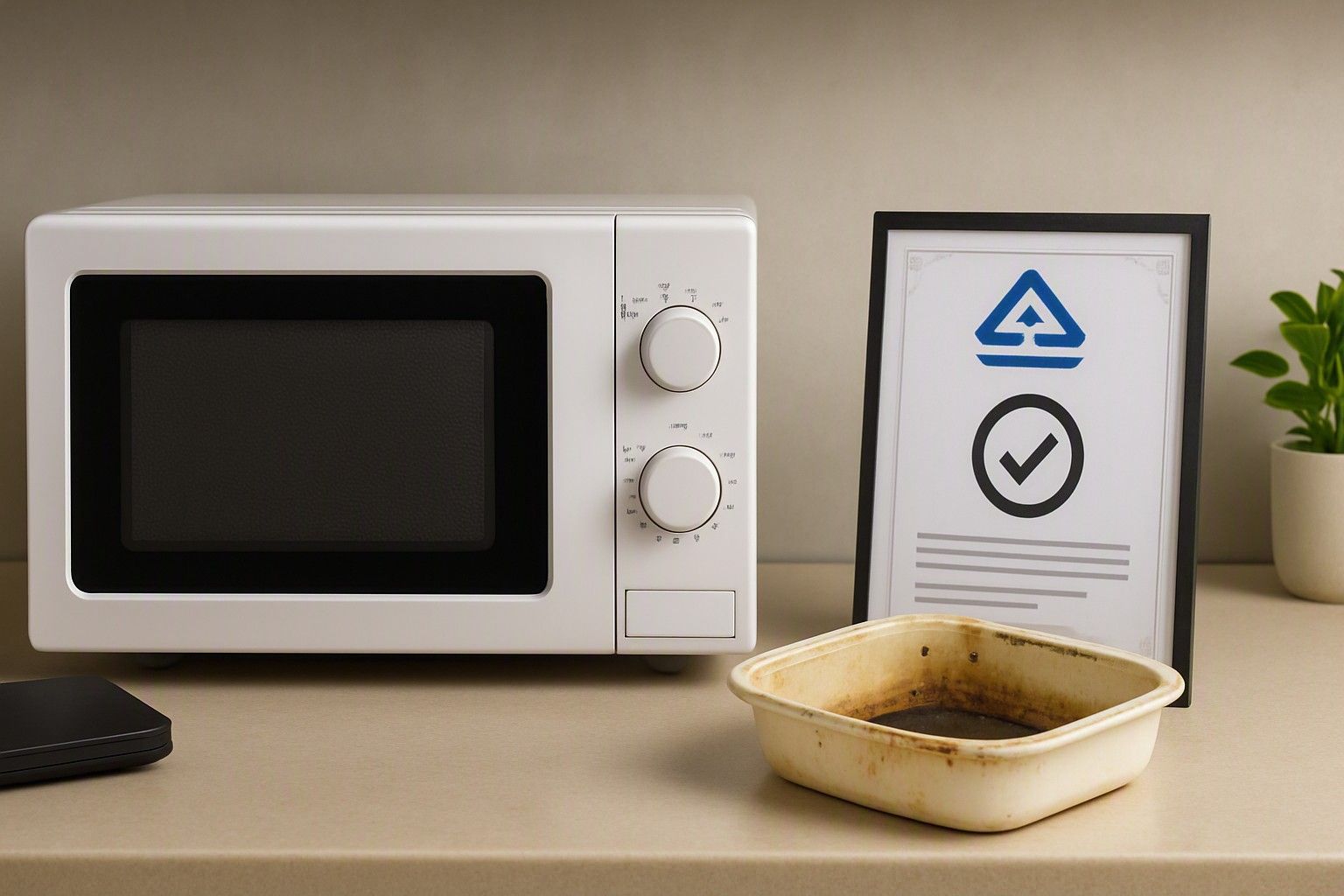
If the word "radiation" is what's stopping you from buying a microwave, you're not alone — it's one of the most common hesitations Indian households have before this purchase. The short answer is that a properly sealed, certified microwave is safe for daily use, but there are real checks worth doing before and after you buy one. This article walks through how the cooking process works, what the health evidence actually says, and which certifications and habits separate a safe kitchen setup from a risky one.
How Microwave Cooking Actually Works
A microwave oven cooks food by generating electromagnetic waves inside a sealed metal cavity. These waves cause water molecules in the food to vibrate rapidly, and that vibration generates heat from the inside out, which is why microwaved food often cooks faster than food heated on a stovetop. The waves themselves are a form of non-ionising radiation — meaning they don't carry enough energy to alter the structure of atoms or damage DNA, unlike X-rays or gamma radiation, which are ionising and genuinely hazardous at high exposure.
The metal box, the mesh screen on the door, and the door seal all exist for one purpose: to keep those waves contained inside the cavity while the unit is running. Once the door opens or the timer ends, wave generation stops immediately — there's no lingering radiation inside the cavity or in the food itself. This is a fundamentally different mechanism from how a gas flame or induction coil transfers heat, and understanding it is the first step to answering whether microwave cooking is safe, because most of the fear around microwaves comes from confusing this contained, non-ionising process with the kind of radiation exposure people rightly worry about from medical scans or nuclear sources.
The Truth About Microwave Radiation and Health
There is no credible scientific evidence that a properly functioning, intact microwave oven causes cancer, infertility, or any other long-term health issue in the people using it. Global food safety and health bodies have studied microwave ovens extensively since they became common kitchen appliances, and the consistent finding is that the non-ionising waves they use do not accumulate in food or in the body, and they do not leak in meaningful amounts from a unit that is in good physical condition.
Where the actual risk lies is in appliance condition, not the technology itself. A microwave with a damaged door seal, a warped door that doesn't close flush, a cracked window mesh, or visible rust around the door frame can allow some leakage, and this is the scenario worth taking seriously rather than the appliance category as a whole. Running an empty microwave repeatedly, using it with the door forced shut after damage, or continuing to use a unit that sparks or arcs inside the cavity are the situations that actually carry risk — not the everyday act of reheating dal or steaming idli batter.
For Indian households, the practical safety takeaway is simple: buy a unit that is properly sealed and certified when new, inspect the door and seal periodically, and retire the appliance once the door or seal is visibly compromised rather than trying to nurse it along. That single habit addresses almost all of the genuine radiation-related risk.
BIS and Certifications to Look For Before Buying
In India, electrical appliances including microwave ovens are expected to comply with Bureau of Indian Standards (BIS) safety norms, and checking for this compliance is one of the simplest pre-purchase safety checks you can do. Look for a BIS registration or compliance marking on the product listing, the packaging, or the rating label on the back of the unit itself — legitimate manufacturers display this clearly rather than making you hunt for it. If a listing or seller cannot confirm BIS compliance when asked directly, treat that as a reason to keep looking rather than a minor detail.
Beyond BIS, it's worth checking that the unit carries a clear power rating, wattage specification, and door-seal design described in the product documentation, since these details indicate a manufacturer that has gone through proper testing and quality control rather than assembling a generic unit with minimal oversight. Warranty terms matter here too — a reasonable manufacturer warranty on the magnetron (the component that generates the microwaves) is a reasonable proxy for build confidence, since a company standing behind that specific part for a meaningful period is signalling it trusts its own sealing and shielding.
Across the ₹3,000 to ₹25,000 range you'll find in the Indian market, certification and compliance don't track neatly with price — a unit in the ₹4,500 band can be just as compliant as one priced near ₹25,000, so this is a check to do regardless of your budget tier, not something to assume comes bundled with spending more. The average price point of ₹7,500 sits in the ₹8,000 band, and units here typically list certification details just as clearly as pricier ones.
Safe and Unsafe Utensils and Materials
Radiation safety isn't only about the appliance — what you put inside it matters just as much, and this is where a lot of avoidable mistakes happen in Indian kitchens. Metal containers, steel katoris, aluminium foil, and vessels with metallic paint or trim can cause sparking and arcing inside the cavity, which damages the interior wall and, over repeated incidents, can compromise the door seal or shielding that keeps the appliance safe. Cut glass or ceramic ware with metallic detailing, and any container with a tight, unvented lid, also pose problems — the first from sparking risk, the second from pressure buildup.
What works safely are microwave-safe glass, unglazed ceramic, and BPA-free plastic containers explicitly rated for microwave use — this rating is usually printed on the base of the container as a set of wavy lines or the words "microwave safe." Many traditional Indian steel and brass vessels, however practical on a gas stove, simply aren't compatible with microwave cooking, which means part of buying a microwave often means budgeting for a small set of compatible containers alongside the appliance itself.
Because Indian cooking involves a specific mix of tempering, reheating gravies, and steaming items like idli or dhokla, the right container choice also affects how well food actually cooks rather than just how safely it heats — you can see which containers work for Indian dishes for a fuller breakdown of what performs well for these specific cooking styles.
Common Safety Mistakes and Red Flags to Avoid
Most microwave safety issues in Indian households trace back to a handful of repeat mistakes rather than any flaw in the appliance itself. Running the microwave empty to "test" it, forcing the door shut when the latch feels loose, ignoring a door that no longer closes flush, or continuing to use a unit after it has sparked internally are the clearest red flags, and each one is a sign to stop using the appliance until it's inspected or replaced rather than working around it.
Another common mistake is buying a unit with no visible BIS marking or unclear compliance documentation simply because it was priced attractively — given that compliant units exist across the entire ₹3,000 to ₹25,000 range, there's rarely a genuine trade-off between affordability and safety compliance, which means skipping this check to save money isn't actually saving anything meaningful. Similarly, using non-rated metal or sealed containers because "it worked once" is a habit worth breaking immediately, since the risk compounds with repeated sparking rather than showing up on the first use.
Finally, keep an eye on physical wear over the appliance's life: a door seal that looks worn, a window mesh that's scratched or dented, or unusual noise during operation are all worth acting on rather than ignoring. If you haven't yet finalised your shortlist, it's worth taking these checks back with you — you can go back to the buying guide to check everything before purchase so that safety, certification, and the right capacity or type are all confirmed together before you commit.
A microwave oven that's properly sealed, BIS-compliant, and used with the right containers carries no meaningful radiation risk — the technology itself has been safe for decades, and the real safety story is about appliance condition and everyday habits rather than the appliance category. With that settled, the decision in front of you is less about whether microwaves are safe and more about picking the right certified unit for how your kitchen actually cooks.
Comments
Be the first to comment.