More Than Doors: How Single, Double and Side-by-Side Fridges Really Differ
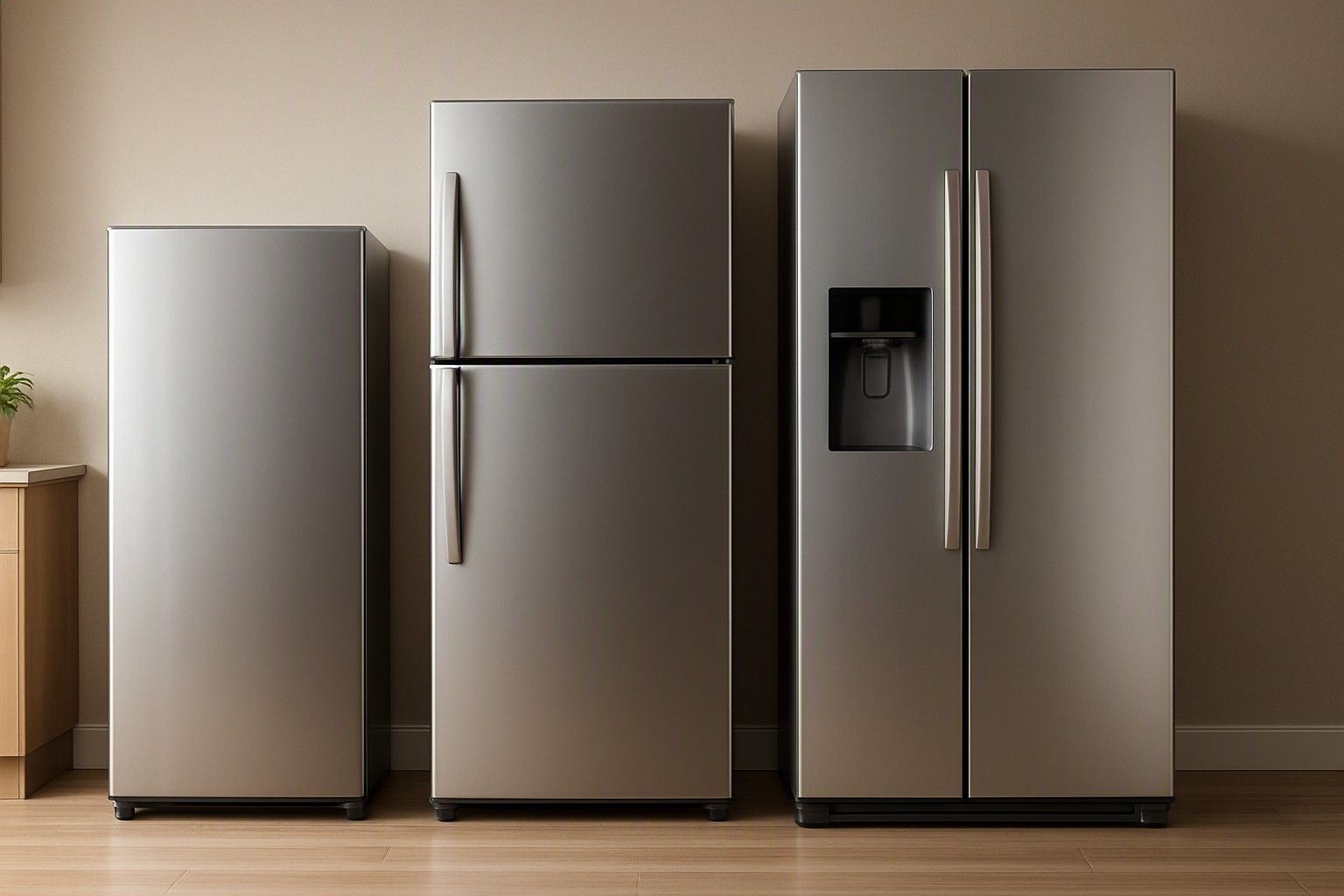
Before you compare capacity, features or brands, the real first decision is shape: single door, double door, or side-by-side. This choice alone rules out most of the market for your kitchen size, family size and budget, so getting it right first saves you from comparing models that never fit you in the first place.
Single Door Fridges: Who They Suit
A single door refrigerator is the simplest layout: one exterior door with a small ice-making chamber built into the top of the same compartment, rather than a separate sealed freezer. This design keeps the compressor, wiring and cooling circuit minimal, which is why single door models dominate the ₹10,000 price band and stretch a little into ₹22,000, with the overall market starting near ₹8,500.
These fridges suit bachelors, small families of two to three, students in shared flats, or anyone who needs a second fridge for a store room or office pantry. The usable space is genuinely modest, so if you cook in bulk, freeze meal batches, or store more than a few days of vegetables, you will feel the pinch quickly. The upside beyond price is running cost: single door units are typically smaller and lighter on electricity, and there are fewer parts that can go wrong over the years.
The honest limitation is the freezer. It is really an ice tray compartment, not a true low-temperature freezer, so frozen storage is short-term at best. If your household regularly buys frozen food, makes ice for guests often, or wants to freeze leftovers for weeks, a single door will frustrate you no matter how good the deal looks. It is a fine answer to the buying question only when your storage needs are genuinely small and your budget is genuinely tight.
Double Door and Top vs Bottom Freezer Choices
A double door fridge separates the fresh food section and the freezer into two independently sealed compartments, each with its own door. This is the segment most Indian households actually buy, and it spans the widest price range of fridge in the market, roughly from the top of ₹10,000 through ₹45,000 and beyond, with the category average sitting around ₹26,000.
Within double door, the layout question is top freezer versus bottom freezer. Top-freezer models are far more common in India: the freezer sits above, the fresh food section below, and this arrangement is cheaper to manufacture and easier to service. Bottom-freezer models flip that, putting fresh food at eye level and the freezer down low. The genuine trade-off is ergonomics: if you reach for vegetables, milk and leftovers many times a day but only visit the freezer occasionally, a bottom-freezer layout means less bending for the things you touch most. It usually costs more for the same capacity, though, since the compressor and shelving have to be redesigned around the reversed layout.
Double door also gives you real frozen storage for the first time, which matters if you batch-cook, buy frozen vegetables or non-veg in bulk, or simply want ice ready without planning ahead. For a mid-sized family of three to five with a normal kitchen footprint, this type answers the buying question better than single door without pushing you into side-by-side territory.
Side-by-Side and French Door for Large Kitchens
Side-by-side refrigerators split the fridge vertically into two tall, narrow sections, one for fresh food and one for freezer, both running floor to top with their own full-height doors. French door models take a related approach with two narrower top doors for fresh food and a pull-out freezer drawer below. Both formats sit at the upper end of the market, running from the top of ₹45,000 up toward ₹1,50,000.
The honest case for these types is space and presentation, not efficiency. A side-by-side needs real kitchen width to open both doors comfortably, and Indian kitchens with narrow galley layouts or fixed cabinetry often cannot accommodate one without a remodel. If your kitchen has the width and you are furnishing for a large joint family, frequent entertaining, or simply want everything visible and organised across wide shelves, the format earns its price. The freezer and fresh sections in a well-built unit hold considerably more than an equivalent double door, and shelving is usually more flexible for large trays, bottles and party-sized dishes.
What it does not solve is your electricity bill or your budget, since these are the largest, most feature-loaded units in the category. Buying one because it looks premium, rather than because your kitchen and household size genuinely need that scale, is the most common mistake at this end of the market. Measure your kitchen door clearances before you shortlist anything here.
How Type Decides Your Usable Storage
The type you pick effectively caps how much litres figure makes sense to compare later. A single door fridge rarely goes much beyond a compact capacity because the shared compartment design limits how the interior can be divided, while double door units cover the broadest range and side-by-side or French door units are built specifically to house the largest capacities the market offers. This means capacity numbers only mean something once you have already picked a type; comparing a single door's capacity to a side-by-side's is not a fair comparison, it is comparing two different jobs.
It helps to think of type as the shape of the container and capacity as how much fits inside that shape. Once you know whether you need single door, double door or side-by-side, you can look at how each type translates into real litres of space and judge whether a specific model's storage actually matches your family size, rather than just comparing headline litre numbers across incompatible categories. Skipping this step is how buyers end up with a fridge that has an impressive capacity number on paper but the wrong shelf layout or freezer split for how they actually cook and store food.
Defrosting Style That Comes With Each Type
Fridge type and defrosting technology are closely linked, though not identical, decisions. Most single door refrigerators use direct cool cooling, where ice naturally builds up on the freezer walls and needs manual defrosting every few weeks. Double door and larger formats increasingly default to frost-free cooling, which uses a fan and automatic defrost cycle so you never have to switch off the fridge and scrape ice yourself.
This matters directly for the buying decision because it is not purely about type, it is about maintenance effort and running cost together. Direct cool units are simpler, cheaper to buy and cheaper to run, but demand your time and attention periodically. Frost-free units cost more upfront and use a bit more electricity to run the fan and heater cycle, but need almost no manual upkeep and keep temperatures more even, which matters if you store items that spoil quickly. If you are leaning toward single door for budget reasons, it is worth understanding why single door usually means direct cool before you commit, since that pairing affects your week-to-week experience with the fridge far more than most other specifications on the label. Side-by-side and French door models are almost always frost-free by default, given their scale.
Narrowing Down From Type to Final Model
Once you have settled on single door, double door, or side-by-side as your type, you still have real decisions left: capacity, defrosting style, compressor type, energy rating and brand reliability all sit on top of this first choice. Type narrows the field, it does not finish the job. A family that has decided on double door, for instance, still needs to work out whether they want top or bottom freezer, how many litres they actually need, and what they are willing to spend within the ₹22,000 to ₹45,000 range most double door models occupy.
The practical next step is to take the type you have shortlisted here and line your shortlisted type up against every other decision that goes into a final purchase, from capacity to energy efficiency to long-term running cost. Treating type as the first filter rather than the only filter keeps you from overspending on a side-by-side you do not need, or underspending on a single door that will not hold what your household actually cooks and stores. The right type is the one that matches your kitchen space, family size and how you use frozen food, not the one with the most impressive door count.
The choice between single door, double door and side-by-side ultimately comes down to how much your household stores, how your kitchen is laid out, and how much manual upkeep you are willing to accept in exchange for a lower price. With that fork resolved, you are no longer choosing blindly between three shapes of fridge, you are choosing the specific model within the type that already fits how you live.

Comments
Be the first to comment.