Refrigerator Warranty, Servicing and Maintenance Costs in India
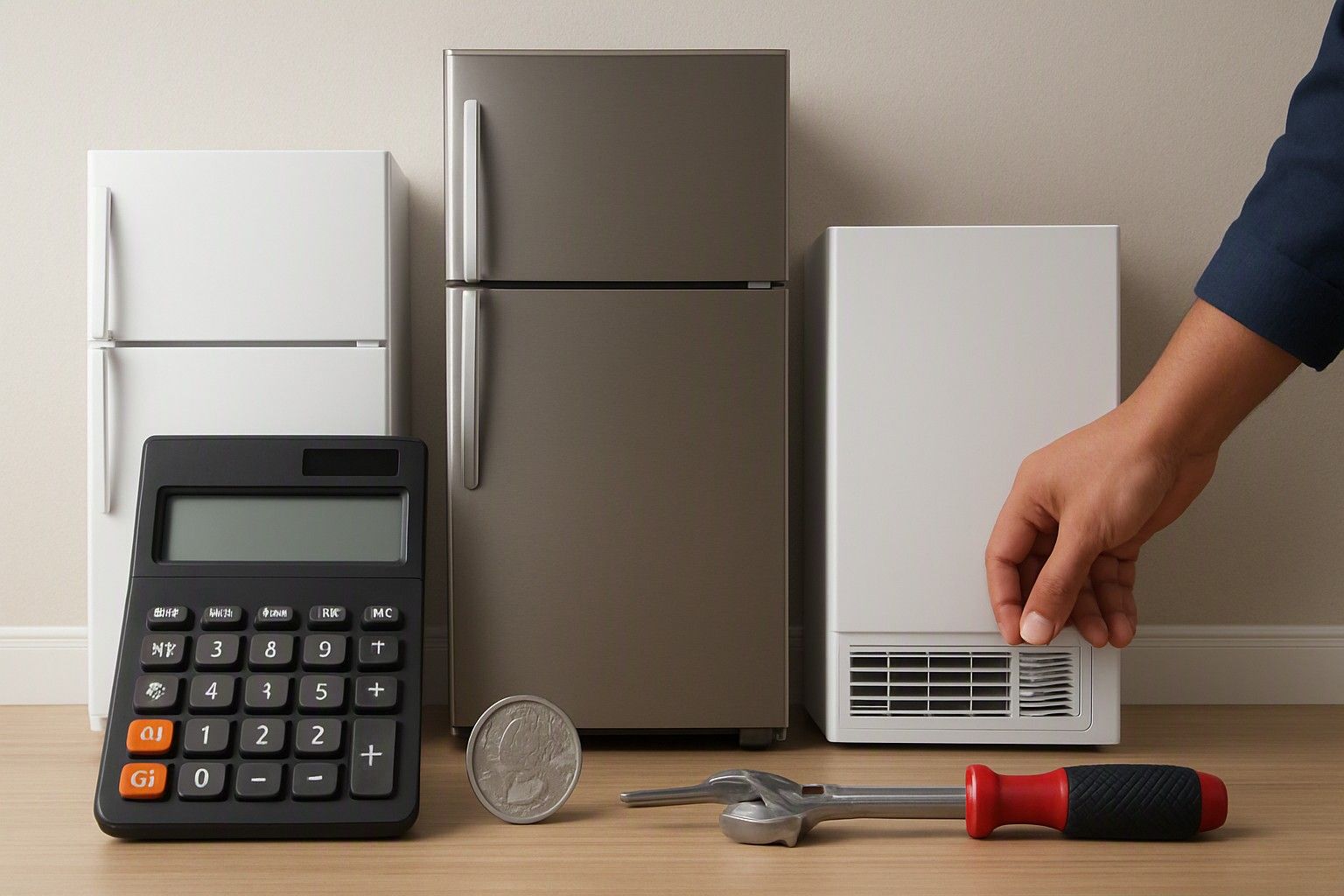
The sticker price is only part of what a refrigerator costs you over its life — compressor warranties, gas refills, service call-out charges and how far the nearest technician is can add up to real money. If you're trying to figure out what owning a fridge actually costs beyond the ₹8,500–₹1,50,000 range you see in stores, this is the page that answers it.
Compressor Warranty vs Overall Warranty
Almost every refrigerator sold in India carries two different warranty periods, and mixing them up is the single most common mistake buyers make. The overall product warranty, usually one year, covers everything — door seals, thermostat, wiring, the control panel, the works. The compressor warranty is separate and much longer, often stretching to several years, sometimes a decade on higher-end units, because the compressor is the one part manufacturers are confident enough about to back for the long haul. This split exists because a compressor is a sealed, largely mechanical unit with a low failure rate once it survives its early months, while everything else — gaskets, electronics, plastic fittings — wears down faster and costs less to replace anyway.
What this means practically: if your fridge stops cooling in year three, you need to check whether the fault is the compressor (still covered) or something else (not covered, and you pay for the part plus labour). Read the warranty card at purchase time, not when something breaks — note whether the compressor warranty requires the original invoice, registration within a set window, or use of authorised service only. A fridge in the ₹10,000 range and one in the ₹45,000 range can carry very different compressor warranty lengths, so it's worth comparing this term across models before you decide, not after.
Gas Refill, Repairs and Typical Service Charges
Once a fridge is out of warranty, the recurring costs fall into a few predictable buckets. A refrigerant gas refill — needed if the gas leaks out, usually from a corroded pipe or a loose joint — is one of the pricier routine repairs, and it typically isn't a one-time cost either, since a leak that was patched can recur and mean a repeat visit. Compressor replacement, if it fails after the warranty lapses, is the single most expensive individual repair you'll face on a fridge, often costing a meaningful fraction of what a new budget model sells for, which is why many owners weigh replacing an old unit rather than fixing it once the compressor itself is the problem.
Below that, there's a tier of smaller, more frequent charges: a technician's call-out or visit fee (charged even if no part is replaced), thermostat or relay replacement, door gasket replacement if it's stopped sealing, and defrost-timer or PCB issues on frost-free models with electronic controls. None of these are dramatic individually, but they add up over a fridge's working life, and frost-free and multi-door models generally carry higher repair costs than a simple direct-cool unit simply because they have more components that can fail. Budget for at least one paid service visit a year once the warranty ends, even on a fridge that seems to be running fine, since a lot of these faults are cheaper to catch early than to let run until the compressor is affected too.
Why Local Service Availability Matters
A warranty is only as useful as the technician who can act on it, and this is where brand choice in India runs into geography. In metro cities and most tier-2 towns, authorised service networks are dense enough that a request usually gets a same-week visit. Move into smaller towns or rural pin codes, and the picture changes — some brands have no authorised presence at all, meaning any repair, warranty or not, has to go through a local independent technician who may not have genuine parts and won't honour the manufacturer's warranty terms.
This matters more for a refrigerator than for most other appliances because a fridge without cooling isn't a minor inconvenience — it's food spoiling within a day. Before buying, it's worth checking the brand's service centre count and coverage for your specific pin code rather than assuming national brands all perform equally everywhere; some have far denser networks in the south, others in the north or west, and this varies by brand rather than by price tier. A fridge bought in the ₹22,000 range from a brand with poor local presence can end up costing more in downtime and travel charges for the technician than a similarly priced unit from a brand with a technician five minutes away. This is a genuine factor in the purchase decision, not an afterthought to sort out after the fridge is already home.
Simple Maintenance to Extend Fridge Life
Most of what keeps a refrigerator running well for a decade or more is unglamorous and free. Clean the condenser coils or the back grille every few months — dust buildup there is one of the biggest reasons a fridge starts working harder, drawing more power, and eventually stressing the compressor. Check the door gaskets periodically by shutting the door on a piece of paper and seeing if it slides out easily; a gasket that's stopped sealing lets warm air in, forcing the compressor to run longer than it should, and replacing a gasket early is far cheaper than the compressor strain it prevents.
Leave clearance space behind and above the unit for heat to dissipate — a fridge pushed flush against a wall or boxed into a tight cabinet runs hotter and less efficiently. Avoid overloading shelves in a way that blocks internal air circulation, and don't set the thermostat colder than needed, since that just makes the compressor cycle harder for no real benefit. Defrost manually if you own a direct-cool model and ice buildup gets thick, rather than letting it accumulate to the point where it blocks the evaporator. None of this requires a technician or a spare part — it's routine upkeep, and skipping it is how a fridge that should last well past a decade starts needing repairs in year four or five instead.
How Voltage Protection Cuts Repair Bills
Unstable mains power is one of the most preventable causes of expensive compressor damage in Indian homes, particularly outside major cities where voltage fluctuation and sudden outages are common. A compressor motor is built to run within a defined voltage band, and repeated exposure to spikes, sags, or the jolt of power resuming abruptly after a cut puts real strain on its windings — the kind of strain that shortens its working life well before the compressor warranty period is up.
A stabiliser, either built into the fridge or added separately, is a small upfront cost against a very large potential repair — buying one is far cheaper than a compressor replacement bill later. Many fridges now include some form of built-in protection, but it's worth confirming this rather than assuming it, especially in areas where grid supply is known to be erratic. For a fuller look at how guarding the compressor against unstable power works and what it protects against during outages, that's covered in detail on its own page — the short version here is that this single precaution has an outsized effect on whether your compressor warranty period actually gets you through without a claim.
Weighing Ownership Costs Into Your Purchase
None of this — compressor terms, refill costs, service reach, routine upkeep, voltage risk — is separate from the buying decision; it's part of it. A fridge priced near ₹8,500 that skimps on compressor warranty length or comes from a brand with thin service coverage in your area can end up costing more over five years than a model priced closer to the ₹26,000 average with a longer compressor cover and a technician nearby. The purchase price tells you what you pay today; the warranty terms and service network tell you what you're likely to pay later.
Before you finalise a model, it helps to fold long-term upkeep into your buying maths rather than treating price and running cost as two unrelated numbers — the full buying guide walks through how capacity, star rating, and these ownership factors fit together for your specific household. A fridge is a decade-plus purchase in most Indian homes, and the small differences in warranty fine print and service density are exactly what separate a smooth decade from a string of avoidable repair bills.
What a refrigerator electricity costs to keep running isn't a mystery once you know where to look — the compressor warranty length, the realistic cost of a gas refill or repair, how close the nearest authorised technician actually is, and a few minutes of routine upkeep each month cover most of it. Weigh these alongside the price tag rather than after the fact, and you'll know exactly what you're signing up for beyond the ₹8,500–₹1,50,000 range on the price tag.
Comments
Be the first to comment.