Choosing the Right Refrigerator for Indian Homes A Practical Guide
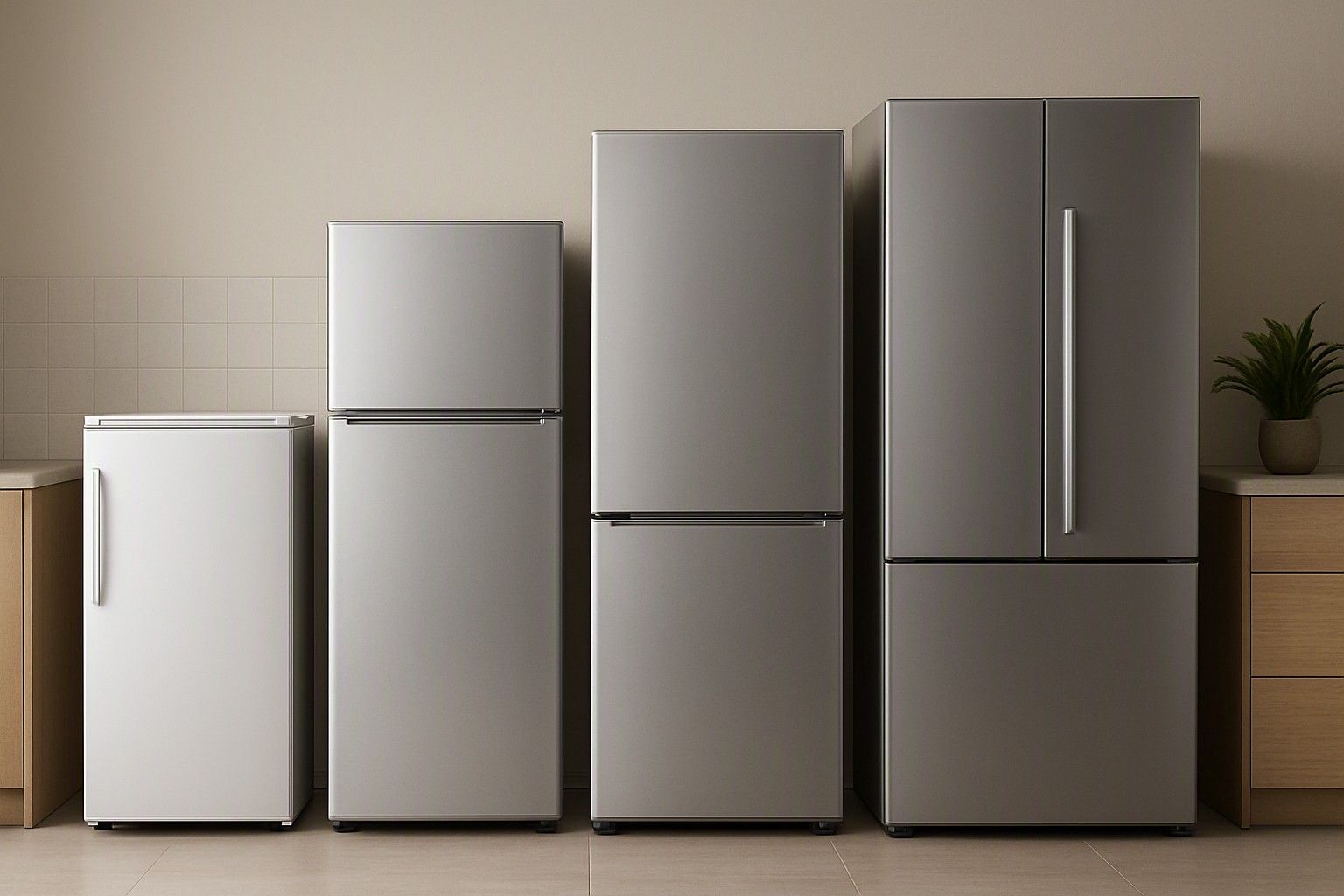
A refrigerator is one of the few appliances that never switches off, so choosing one badly means paying for that mistake every month for a decade. The decision splits into a handful of clear questions: what shape and size fits your kitchen, how much it costs to run, whether it can ride out the power problems in your area, and what your budget genuinely buys once you account for servicing. This guide lays those questions out in the order most Indian buyers actually face them, and points you to a detailed breakdown for each one. Price range of fridge in this category run from ₹8,500 all the way to ₹1,50,000, so knowing where your needs sit before you shop keeps you from over- or under-spending. Work through the sections below and you'll have a full picture of the trade-offs before you commit.
Which Refrigerator Type Fits Your Kitchen and Family
The very first fork in the road is form factor, because it quietly eliminates most models before you ever look at features or brands. A single door, a double door and a side-by-side each suit a different combination of kitchen space, family size and spending limit, and picking the wrong one means you spend hours weighing fridges that were never going to work for you. Settle this early and every later comparison gets simpler. Start by learning to compare single door, double door and side-by-side layouts so you're only shopping within the shapes that fit.
Working Out the Right Capacity in Litres
Once the shape is decided, the next puzzle is how many litres you genuinely need — and the honest answer is driven less by headcount than by your cooking and shopping habits. A family that shops weekly and cooks fresh every day fills a fridge very differently from one that stocks up monthly. Guessing here leaves you either cramped or paying to cool empty shelves. Use the walkthrough to match fridge litres to your household size based on how you actually store food, not a generic per-person rule.
How Much a Fridge Really Costs to Run Each Month
Because a fridge draws power around the clock, its efficiency rating hits your bill harder than almost anything else on the spec label. The star count isn't just a badge — it translates into a real rupee figure every month, and whether a costlier 5-star model pays back depends on how you use it. That running-cost maths deserves attention before you fixate on the sticker price. This breakdown helps you understand star ratings and yearly electricity cost and judge if the premium is worth it for your household.
Handling India's Power Cuts and Voltage Swings
Efficiency on paper means little if your locality suffers long outages or current that spikes enough to trip appliances. The questions that actually matter here are how long the cabinet stays cold after the supply drops, and whether the compressor can take years of shaky voltage without failing. That reliability angle is separate from star ratings entirely. Take a look at which builds hold up so you can see which cooling tech survives long outages in real Indian conditions.
Frost-Free or Direct Cool for Your Usage
Direct cool and frost-free models keep food cold in fundamentally different ways, and the right pick comes down to how you weigh manual defrosting effort against higher upfront and running costs. Both do the core job; the gap shows up in your monthly bill, your kitchen routine and even the fridge's lifespan. There's no universally superior option — only the one that suits your habits. Read through the trade-offs to decide between direct cool and frost-free defrosting for your own usage.
What Different Budgets Actually Buy You
Every price step up buys something concrete — more litres, a better compressor, smarter cooling and a longer service life — not just cosmetic polish. Knowing where the market's natural budget bands sit tells you whether a listing in front of you is fairly priced or not. It also helps you spot exactly what you gain by stretching your budget by a tier. Explore what the bands hold so you can see what each price band gets you from ₹8,500 upward before deciding where to land.
Checks Before You Pay and at Delivery
Choosing the right model isn't the last risk — the bigger danger sits in the final stretch: a spec that doesn't match the listing, damage picked up in transit, or a warranty quietly shortchanged at handover. A short set of verifications before you pay, and again while the delivery team is still at your door, catches these problems while you can still act. It's the cheapest insurance in the whole process. Go through the steps to run through the pre-purchase and delivery checklist so nothing slips by.
Installation, Servicing and Long-Term Upkeep
The purchase price is only the opening cost of owning a fridge — compressor warranty terms, gas refills, technician call-out fees and how close the nearest service centre sits all add to the real total over its life. Buyers often overlook these until the first breakdown, when the numbers stop being hypothetical. Factoring them in upfront changes which model actually offers value. Work out the full ownership cost so you can plan for warranty, gas refills and service costs before you buy.
Running Cost: The Bill You Pay Every Month, Every Year
A fridge is the only appliance that runs 24×7 for the 10–15 years it stays in service, so the star rating on the sticker is just the starting point — actual cost depends on size, cooling type and how the household uses it. Two similarly sized models can differ by 100–150 units a year, and that gap repeats annually, not once. Most buyers compare only the upfront price and the star rating, missing how door openings, kitchen heat and load push real consumption above the lab-tested number. Work out what a model will actually cost you to run so you can estimate your fridge's electricity cost before you buy.
Taken together, these eight decisions turn a vague "I need a new fridge" into a specific shortlist you can act on with confidence. You now know the order to think in — type, then capacity, running cost, power resilience, cooling technology, budget, delivery checks and long-term upkeep — and where to go deep on each. Pick the sections that matter most for your situation, and you'll walk into the purchase knowing exactly what you're paying for and why.

Comments
Be the first to comment.