Choosing a Room Heater for Indian Winters: Type, Wattage, Running Cost and Safety
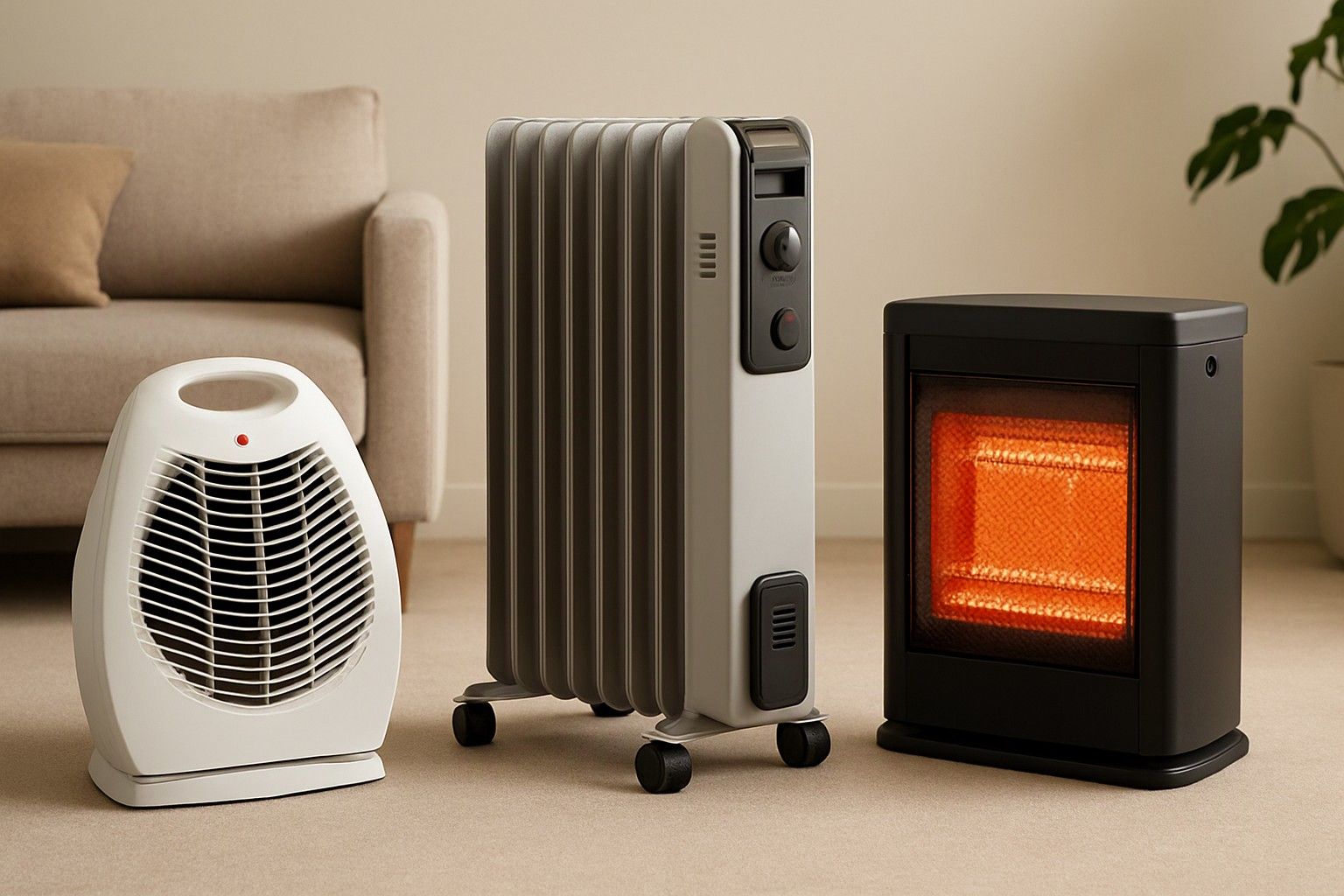
Buying a room heater in India means making several linked choices: which heating type fits the room, how many watts it needs, what it will add to the monthly bill and whether it is safe enough for the people sleeping near it. Prices run from ₹599 to ₹15,999, so the spread between a basic model and a premium one is wide, and the right pick depends more on your room and routine than on the price tag. This guide sets out each of those decisions in the order most buyers face them. Every section points you to a detailed article on that one question, so you can go deep only where you need to.
Which Heater Type Suits Your Room and Your Winter
Radiators, fan heaters, halogen and carbon units all warm a space, but they reward very different habits. Three things settle the choice: how many hours at a stretch someone stays in the room, how draughty it is, and whether people sleep there or only walk through it. A study you occupy all evening calls for something different from a passage room used for ten minutes. To match one to your situation, compare radiators, fan heaters and halogen models side by side before you build a shortlist.
Getting the Wattage Right for Your Room
Floor area is the starting point for capacity. A typical Indian bedroom measuring ten feet by twelve generally calls for something in the 1200–1500 W band. Add capacity if the ceiling is tall, the walls hold heat poorly or cold air slips in through gaps. With just a tape measure, you can size the wattage to your floor area and ceiling height in a few minutes, ideally before you settle on a type or brand.
What a Heater Will Add to Your Electricity Bill
Running cost comes down to simple arithmetic. Each kilowatt drawn for an hour is one unit on your meter, so a 2 kW model at full output adds two units every hour it stays on. Power cuts raise a second question, and the honest answer is that a standard household inverter is not designed to carry this load for any meaningful time. Use the worked numbers to estimate the units consumed and check whether your inverter can cope.
Already Own a Hot-and-Cold AC?
An AC with a heating function usually costs less to run, hour for hour, than a dedicated heater. That advantage depends on two conditions: the unit must genuinely work as a heat pump, and your city's coldest dawns must not be severe. If either fails, a separate heater may still be worth buying. Before spending, see whether AC heat mode beats a heater on winter running cost for your home.
Heating Bedrooms Where Babies and Elderly Parents Sleep
Many joint-family homes have one shared bedroom where an infant and a grandparent both spend the night with the door shut. The real risks there are fumes, burns to curious toddlers and air dry enough to irritate breathing. Medical and fire-safety advice also suggests that bedtime routines matter at least as much as the appliance you choose. To pick a heater that is safe to leave running through the night, start with which types suit a closed sleeping room.
Safety Marks and Features to Confirm at Checkout
A heater draws heavy current for long stretches, frequently beside a bed, which makes a quick pre-purchase check more worthwhile than with most gadgets. Four things deserve a look: the warranty terms, the plug and wall socket, the automatic cut-offs and the ISI mark. These checks hold regardless of which model or capacity you picked. Before paying, verify the ISI mark, auto cut-offs and socket rating so the heater is one you can trust overnight.
Judging Whether the Price in Front of You Is Fair
Most heaters sell for an average of ₹2,499, with the market split into ₹799, ₹2,499 and ₹6,999 bands. What matters is what each band typically delivers, how the main heater types compare on price, and where a higher spend genuinely earns its keep. Once a model is in your cart, gauge what a reasonable price looks like within each budget tier and buy with confidence.
You now have the full shape of the decision: the type that suits your room, the wattage it needs, the running cost and inverter limits, whether your AC can do the job instead, how to protect the people sleeping nearby, and how to judge the price. Open whichever article matches the question you are stuck on, settle it, and you will be ready to buy before the cold sets in.

Comments
Be the first to comment.