What Should a Room Heater Cost? Best Prices by Type and Budget Tier
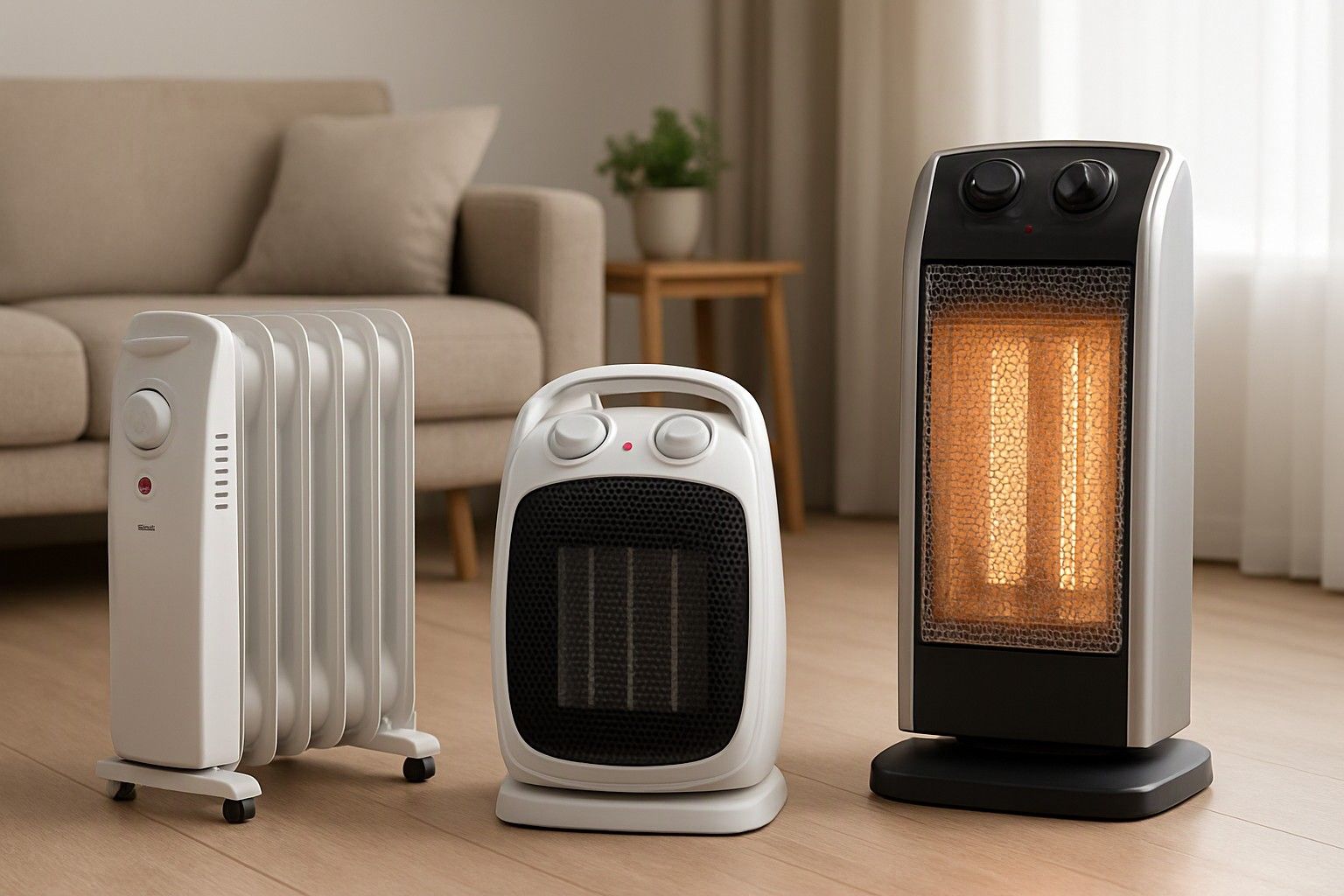
If you have a room heater in your cart and are wondering whether the price is fair or inflated, this page is the reference for that. It sets out what each price tier typically gets you, how the three common heater types are priced against each other, and where paying extra actually pays you back. It is for anyone ready to buy who wants to judge a price tag against the heater type and features behind it.
How Room Heater Prices Spread From ₹599 to ₹15,999
Room heaters in India start at ₹599 and go up to ₹15,999. That is a very wide gap, and most of it is explained by three things: the heating technology, the build, and the safety and control features.
Heating technology sets the base price. Fan heaters and halogen heaters are simple, light and cheap to make, so they fill the lower end. Oil-filled radiators carry a sealed oil reservoir, a heavier metal body and slower, steadier heat, so they sit higher for the same room size.
Build and controls move the price within each type. A basic unit with a single switch costs less than one with an adjustable thermostat, multiple heat settings, a timer or a remote. Safety features such as a tip-over cutoff and overheat protection also add cost to premium heaters, and they are the last place you want to economise.
The typical price across the category is ₹2,499. Treat that as a midpoint rather than a target. A fair price depends on which type you are buying and what it includes, which the tiers below spell out.
What the ₹799 Tier Gets You
Heaters priced ₹799 are mostly compact, basic units. Expect a small fan heater or a simple radiant or halogen-style unit with minimal controls, usually just an on/off switch and perhaps two heat settings.
These heaters suit a small room, a desk corner or a bathroom-adjacent spot where you need quick warmth for a short time. They heat fast, because the element is exposed to moving air or radiates directly, but they have no real way of holding a steady temperature. Once the room warms up, you switch it off by hand.
The trade-offs matter more here than anywhere else. Check for a tip-over cutoff and overheat protection, because corners get cut in this tier. A heater that lacks them is not a bargain, whatever the price. Build quality is also lighter, so expect plastic housings, thinner cords and a shorter working life.
This tier is fair value if you need occasional, short-run warmth in a small space and the unit has basic safety cut-outs. It is poor value if you plan to run it for hours every night, since you will want a thermostat and a sturdier body.
What the ₹2,499 Range Buys
Prices in the ₹2,499 range are where most buyers find a sensible balance. Fan heaters here tend to have better build, adjustable heat settings and often a basic thermostat. Halogen heaters offer more stable, directional warmth, and some entry-level oil-filled radiators begin to appear towards the upper edge of the range.
The practical gain over the tier below is control and durability. A thermostat lets the heater cut off once the room reaches your set temperature, instead of running flat out. Sturdier bodies, better switches and more reliable safety cut-outs also come at this level.
For a bedroom or small living room used a few hours a day, a well-equipped heater in this range is usually enough. You get usable heating, a reasonable safety setup and a body that lasts more than a winter or two.
When judging a price here, compare like with like. A fan heater at the top of this range should offer something clear for the money, such as a proper thermostat, a tip-over switch and multiple settings. If it only has a bigger price tag and the same basic switch, you are paying for the label.
What Changes in the ₹6,999 Range
The ₹6,999 range is where oil-filled radiators become the norm rather than the exception. This is also where you start paying for steadier heat and bigger rooms, not just a stronger element.
Oil-filled units retain heat in their oil and release it slowly, so the room stays warm even after the thermostat cuts power. They also do not dry the air as sharply as an exposed element does, and they run quietly, which matters in a bedroom overnight. A radiator with more fins has more surface area to radiate from, which is why oil-filled radiators with more fins cluster at the higher end of the price spread. More fins mean a larger, heavier unit, more oil and more manufacturing cost.
Beyond the radiators, this range often brings dependable thermostats, timers, tip-over and overheat protection, and sturdier wheels or handles for moving a heavy unit between rooms. Prices above this range, all the way up to ₹15,999, usually reflect larger sizes and added conveniences such as digital controls or remote operation.
This range is worth paying into if you heat a bedroom or living space for long stretches each day. For a few minutes of warmth in a small room, you would be paying for capacity you will not use.
Is a Price Near the ₹2,499 Average Fair for Your Heater Type?
The category average of ₹2,499 sits exactly where the second tier ends and the third begins. That makes it a useful dividing line, but it means different things for different heater types.
Fan heaters: A price near the average is already at the top of what this type usually costs. It is fair only if the heater has a proper thermostat, several heat settings and clear safety cut-outs. A basic fan heater at this price is overpriced.
Halogen heaters: Near the average is a reasonable price for a well-built unit with multiple settings and good safety protection. Anything much higher should come with a clear feature advantage, such as oscillation or a more robust body.
Oil-filled radiators: Near the average is on the lower side for this type. It can be a fair deal for a compact, entry-level unit. Check the fin count, the thermostat and the safety features, because a very low-priced radiator may be cutting corners on build or oil quantity.
So the average is a reference point, not a verdict. Ask what type of heater it is, what room it needs to heat, and whether the safety and control features match the price. If they do, you can buy at that price with confidence.
When Paying More Saves Money Over the Heater's Life
A heater's sticker price is only part of what it costs you. Running it through a winter, year after year, adds up, and that is where a higher upfront price can come out cheaper.
The clearest case is the thermostat. A heater without one keeps drawing full power until you switch it off, while a thermostat model cycles off once the room is warm. Over a long season, that difference in units consumed can offset the higher price. The mechanics are covered in how thermostat models recover their extra cost through lower units, and it is the main reason to look beyond the cheapest option if you heat a room for several hours daily.
Build quality is the second source of savings. A sturdier heater with better switches and cords is less likely to fail and need replacing mid-winter. Oil-filled radiators in particular last well because there are few moving parts to wear out.
Safety is the third. A heater with reliable tip-over and overheat protection costs more at purchase, but it protects your home and family in ways no unit saving can match.
Paying more makes sense when you will run the heater for long hours, daily, over several winters. For occasional use, a lower-priced unit with good safety features is perfectly sensible.
Settling on a Fair Price for Your Shortlist
Start with how long you will use the heater each day. For short bursts in a small room, a basic unit in the lower tiers is fair value, provided it has safety cut-outs. For long nightly use in a bedroom or living space, a thermostat model in the upper range will usually cost less overall, even though the tag is higher.
Then match the price to the heater type. Compare fan heaters with fan heaters, halogen with halogen and oil-filled with oil-filled. A price that looks high or low across types often looks ordinary inside its own type.
Finally, check what the price includes. A thermostat, tip-over protection, overheat cutoff and sturdy build justify a higher number. A bigger price with only a brand name does not. Before you commit, check the type, wattage and safety boxes behind any price tag, so you know the figure matches the heater you actually need.
If a listed price sits within its type's usual tier and the features line up, it is a fair price today, and you can buy without second-guessing.
You now have what you need to judge a room heater's price. Place it in its tier, compare it against others of the same type, and confirm the safety and control features justify the number. If they do, you are not overpaying, and you can make the call now.
Comments
Be the first to comment.