What Actually Changes Between Budget and Premium Smartwatches
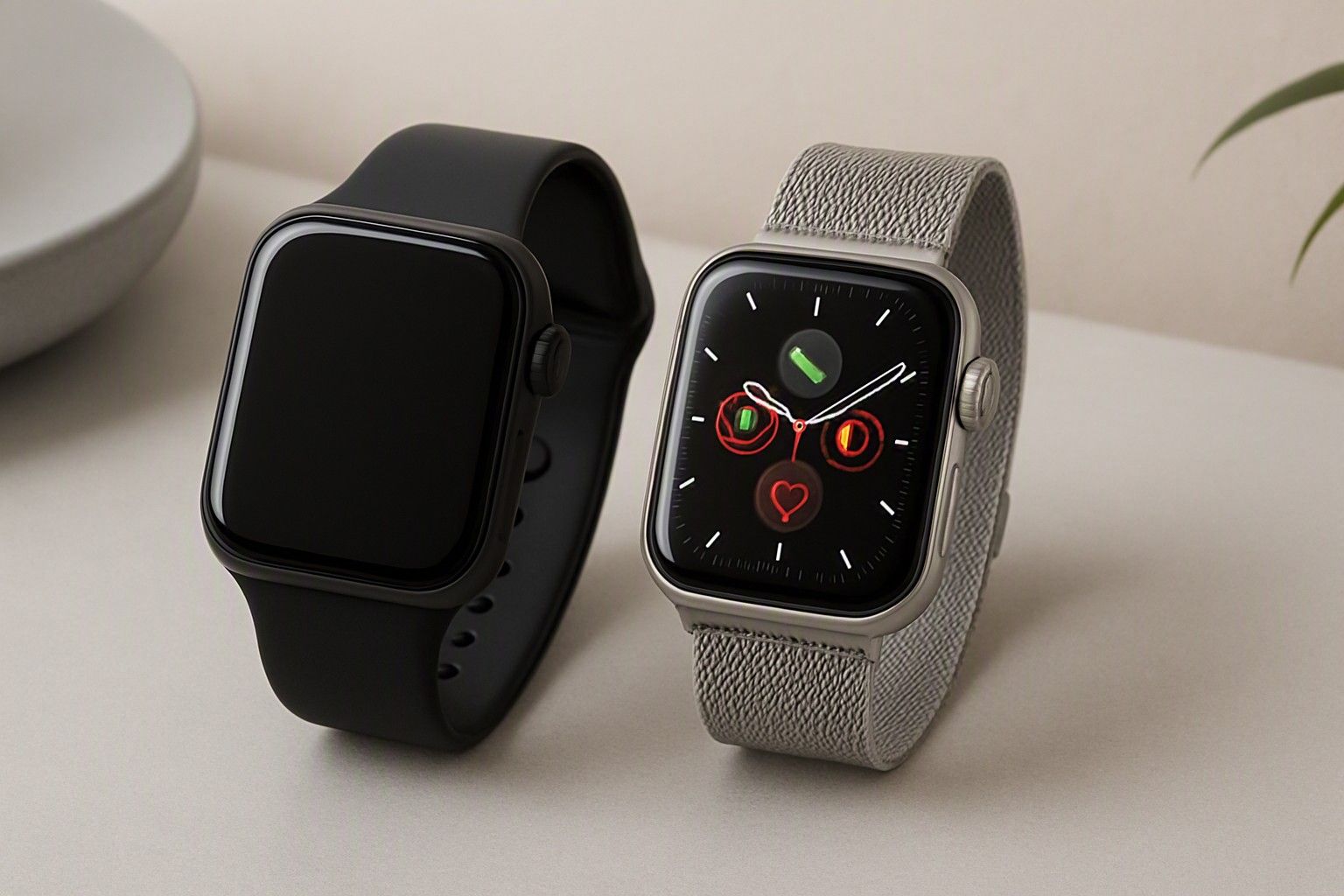
If you have looked at smartwatches priced anywhere from ₹999 to ₹65,000, you have probably wondered what someone paying ten times more is actually getting. The honest answer is that some upgrades are genuinely useful every day, while others matter only to specific kinds of users. This article breaks down exactly where the money goes, so you can decide for yourself whether a budget watch is enough or whether a premium one earns its price tag.
Display Quality: AMOLED vs LCD and Why It Matters
The single biggest visual difference between a smartwatch at ₹2,000 and one priced well above ₹15,000 is the screen technology. Budget watches, especially those under ₹2,000, almost always use basic LCD panels. These work fine indoors but wash out badly under harsh Indian sunlight, which is a real problem if you are checking the time or a notification while walking to work or waiting at a bus stop. Colours look flat, blacks appear grey, and the always-on display option, if it exists at all, drains the battery noticeably faster.
Step into the ₹5,000 to ₹15,000 range and AMOLED displays start appearing more consistently. AMOLED panels produce deeper blacks, sharper text, and far better outdoor visibility because individual pixels can be switched off entirely, which also makes always-on display far more power-efficient. For someone who wants to glance at the watch face constantly without pressing a button, this is not a cosmetic upgrade, it is a functional one.
At the premium end, closer to ₹65,000, you also start seeing higher pixel density, thinner bezels, and better touch responsiveness, but the jump from LCD to AMOLED is where the real transformation happens. If display quality is your main frustration with a current budget watch, this is the upgrade that will feel most obvious in daily use, more than almost any other spec on the sheet.
Sensor Accuracy at Different Price Points
Every smartwatch, regardless of price, ships with a heart rate sensor and a step counter, but the accuracy of these sensors is where budget and premium models genuinely diverge. Watches under ₹2,000 tend to use simpler optical sensors with basic firmware, which means readings during activities like running or gym sessions can lag behind your actual heart rate or misread steps during activities that involve a lot of hand movement, like cooking or carrying groceries.
As prices climb into the ₹5,000 and ₹15,000 brackets, manufacturers typically add more sensor channels, better algorithms, and sometimes additional sensors altogether, such as SpO2 or skin temperature tracking, which tend to be more consistent and closer to clinical-grade readings, though still not a medical device replacement. This matters most if you actually use the data to guide workouts, sleep habits, or recovery, rather than just glancing at numbers occasionally.
If accuracy is your main concern, it is worth going deeper than price alone, because not every sensor improves at the same rate as the price rises, and some expensive watches still cut corners on specific measurements. You can see which sensors actually improve as prices rise to understand exactly which features are worth paying for and which ones barely change between tiers.
Build Materials and Water Resistance
Budget smartwatches, particularly those below ₹2,000, are usually built with plastic or polycarbonate cases and straps, which keep costs down but also show wear faster, especially with sweat, dust, and the general wear and tear of daily Indian commuting. Scratches on the case and yellowing straps are common complaints within a year of regular use at this price point.
Moving into the ₹5,000 range, you start seeing a mix of reinforced plastic and occasionally metal alloy frames, along with better strap materials like silicone blends that resist sweat and odour more effectively. By the time you reach ₹15,000 and above, stainless steel or aluminium cases become common, along with tougher glass on the display that resists scratches from keys, coins, or accidental knocks against doorframes.
Water resistance follows a similar pattern but is not purely tied to price, since even some budget models advertise splash resistance suitable for rain or handwashing, while true swim-friendly ratings tend to appear more reliably as prices rise. Since humidity, monsoon exposure, and sweat are daily realities for most Indian users, build quality and water resistance affect how long a watch actually survives, not just how it feels on the wrist. To see exactly how this plays out over months of ownership, you can understand how build quality affects durability in daily Indian use before deciding how much to spend.
Software, Updates and App Ecosystem
Software is where the price gap becomes less visible on a spec sheet but often more frustrating in daily use. Budget smartwatches typically run proprietary, closed software rather than a full operating system, which keeps things simple but also limits how many apps you can add and how often the watch receives meaningful updates. Once the manufacturer moves on to a newer model, budget watches in the ₹2,000 and lower ₹5,000 range often stop receiving updates altogether, leaving bugs and companion app quirks unresolved.
Premium watches, especially those priced above ₹15,000, are more likely to receive regular firmware updates that improve battery management, fix sensor bugs, or add new watch faces and features over time. Their companion apps also tend to be more polished, with better data visualisation, more reliable syncing, and wider third-party app support for things like payments or music control.
This matters more than it might seem at first glance, because a smartwatch you plan to use for two or three years benefits enormously from ongoing software support, while a watch that stops receiving updates within months can start to feel outdated even if the hardware itself is fine. If you tend to keep gadgets for the long haul, factor this into the price difference, not just the specs listed at the time of purchase.
GPS, Calling and Connectivity Extras
Connectivity features are some of the most visible differences once you cross into higher price brackets. Budget watches near ₹2,000 generally rely on connected GPS, meaning they use your phone's location data rather than tracking your position independently, which is perfectly fine for casual walks but less reliable for solo runs or cycling where your phone might be left behind or run out of charge.
In the ₹5,000 to ₹15,000 range, built-in GPS starts appearing more often, letting the watch track routes and distance on its own, which matters if you exercise outdoors regularly and want accurate maps without carrying your phone. Bluetooth calling also becomes more common at this stage, letting you answer calls directly from the wrist, though call quality and microphone clarity still vary noticeably between models.
At the premium end, closer to ₹65,000, you sometimes get additional extras like offline music storage, NFC for contactless payments, or more stable multi-device Bluetooth connections that reduce dropped syncing with your phone. None of these extras are essential for basic fitness tracking or notifications, but they solve specific annoyances, so it is worth being honest about whether you will actually use built-in GPS or on-wrist calling before paying extra for them.
Deciding Which Upgrades Are Worth Paying For
Not every upgrade between budget and premium smartwatches delivers equal value for every buyer, and that is really the crux of the original question. If you mainly want notifications, basic step tracking, and a watch that looks decent, a model in the ₹2,000 to ₹5,000 range genuinely covers those needs without leaving you feeling shortchanged. The jump to AMOLED display and better build materials tends to offer the most noticeable everyday improvement for the money, more so than sensor upgrades or connectivity extras that only matter for specific use cases.
Where spending more clearly pays off is if you exercise seriously and rely on sensor data, if you plan to use the watch for two or more years and want ongoing software support, or if you specifically need built-in GPS or reliable Bluetooth calling. On the other hand, if none of those apply to you, paying for the ₹15,000 tier or beyond mostly buys polish rather than function you will use.
The average price across the market sits around ₹5,000, which gives you a useful reference point: watches priced well below that are competing mainly on essentials, while those above it are usually justifying the premium through display, sensors, build, or software, not just branding. To weigh all of these trade-offs together against your own habits and budget, you can return to the full smartwatch buying guide to weigh everything together and settle on the right tier for your needs.
Whether a premium smartwatch is worth it ultimately depends on which upgrades you will actually use, not on the number printed on the price tag. A budget watch handles the basics well, an AMOLED display and sturdier build change how the watch feels day to day, and sensor accuracy, GPS, and software longevity matter most if you use the watch seriously over years rather than months. With that breakdown in hand, you can now match your own habits to the right price tier with confidence, rather than guessing at what the extra rupees are buying.

Comments
Be the first to comment.