What To Consider Before Buying a Smartwatch?
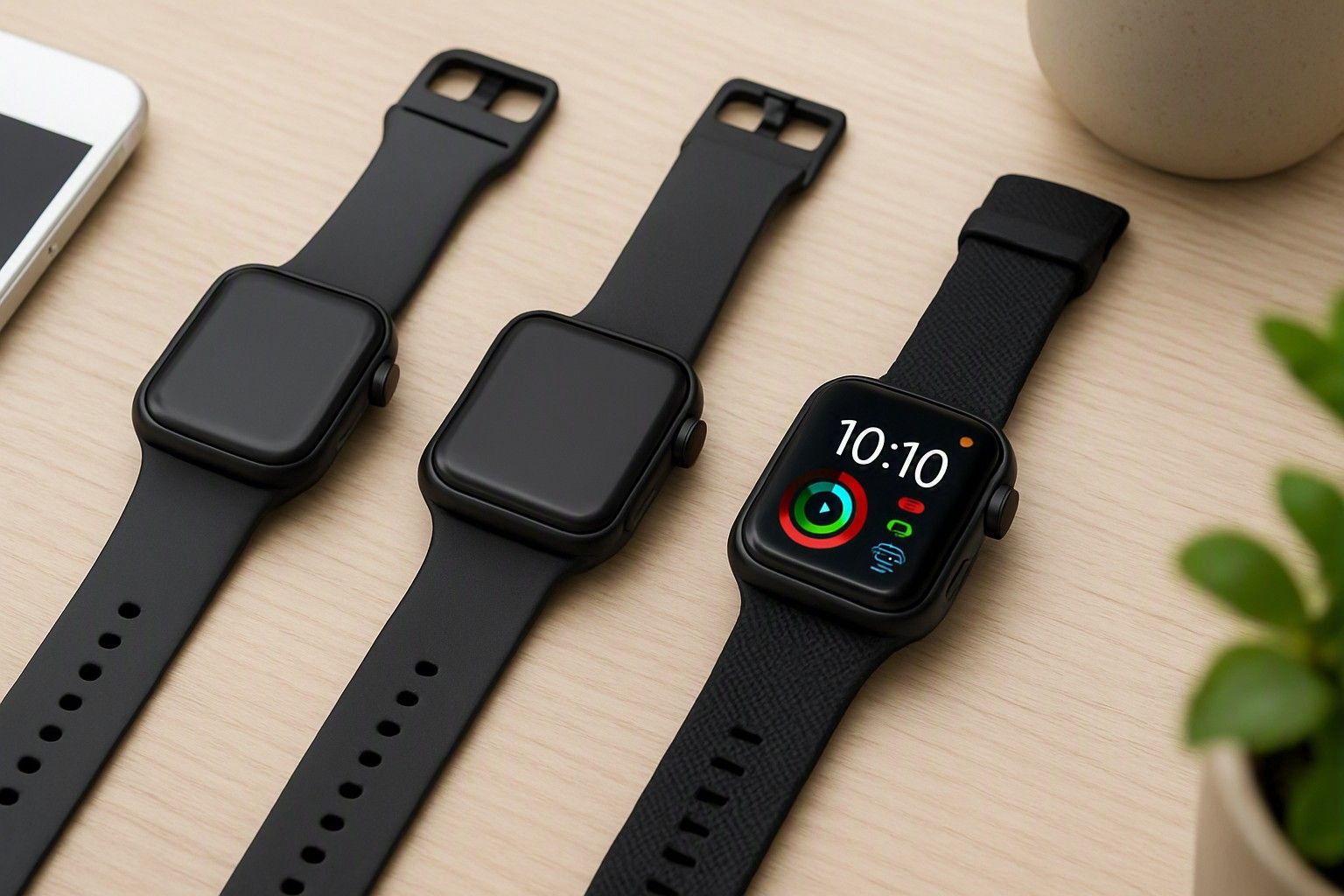
Buying a smartwatch in India sounds simple until you open a listing and see prices swinging from ₹999 to ₹65,000 for what look, at a glance, like similar devices. The truth is that a handful of decisions quietly settle whether you end up happy or annoyed in a month — the sensors you trust, the phone it pairs with, the build that survives your commute, and the amount you actually need to spend. This guide lays out each of those decisions in order, so you can see the whole choice before committing to any part of it. Every section below points to a deeper walkthrough of that one question, so you can go straight to the parts that matter to you.
Smartwatch vs Fitness Band: Which One Actually Fits Your Needs
Before you assume you need a full smartwatch, it's worth asking whether a cheaper band already does what you want on your wrist. A band handles the essentials at a lower cost, while a watch layers on a bigger screen and features you may never touch. Start here to understand whether a fitness band does the job you actually need and where the two genuinely diverge for your use case and budget.
Understanding the Real Differences Between Cheap and Premium Smartwatches
It's a fair question why one watch costs ten times another when both tell the time and count steps. Some of that extra money buys upgrades you'll feel every single day, and some of it only pays off for a narrow set of users. This breakdown of what genuinely changes as you move up the price ladder shows exactly where the spend goes, so you can judge whether a budget pick is enough for you.
Health and Fitness Sensors: Which Ones Are Accurate and Which Are Marketing
A watch can print a blood pressure or SpO2 number on its screen, but printing it and measuring it reliably are two different things. Some readings are solid enough to act on, while others are best read as a loose trend rather than a fact. Go through each sensor — heart rate, ECG, sleep, stress and the rest — to learn which health sensors are trustworthy and which are just spec-sheet filler before you buy for health reasons.
Phone Compatibility: Making Sure the Watch Works With Your Android or iPhone
The catch that bites hardest usually isn't the screen or the battery — it's a watch that won't fully cooperate with your phone. These problems stay hidden during a shop demo and surface later, when calls stop syncing or an app simply won't install. Check how pairing behaves across Android and iPhone so you can confirm the watch will pair properly with your phone before any money changes hands.
Display, Build and Battery: What Survives Indian Weather and Daily Use
Brightness figures and battery claims read well on a spec sheet, then fall apart under harsh sun, sweat and humidity. What matters is whether the screen stays readable outdoors and the watch keeps running by evening after real daily wear. This look at how build, panel and battery hold up lets you see which display and build choices hold up in Indian heat and daily wear.
How Much Should You Spend on a Smartwatch in India
Price tends to track features fairly closely once you know how the tiers stack up. Working across ₹2,000, ₹5,000 and ₹15,000, this guide spells out what each band gets you in the Indian market. Use it to match your needs to the right budget tier so you neither overpay for capability you'll ignore nor underspend into something that frustrates you fast.
Common Mistakes and Red Flags When Buying a Smartwatch
Most regrets in this category come down to a short list of avoidable traps — inflated health numbers, water ratings that don't survive real use, and no service backup when something breaks. Running through these before you pay saves the pain of discovering them afterward. Treat this as your final checklist to avoid the traps that catch most first-time buyers and finalise with confidence.
Taken together, these questions form the full map of a smartwatch purchase in India — from whether you even need a watch over a band, down to the red flags that show up only after you've paid. You don't have to read every section end to end; jump to the ones that match your doubts, and you'll have enough to decide today rather than keep second-guessing the listing in front of you.

Comments
Be the first to comment.