Video Doorbell Price Guide: What You Get From ₹2,000 to ₹15,000
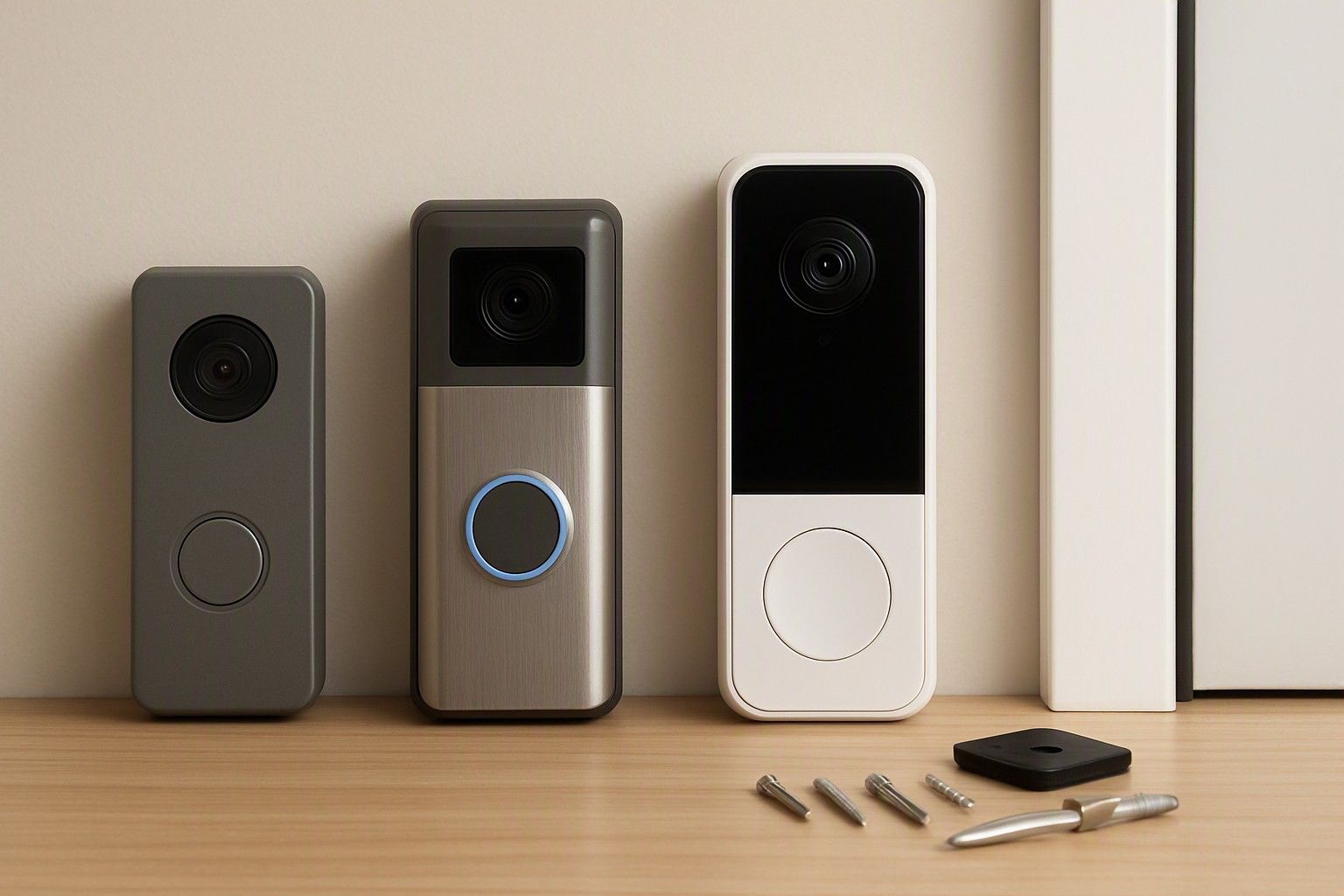
If you're staring at video doorbell listings anywhere from ₹2,000 to ₹15,000 and can't tell why two products that look identical are priced so differently, this is for you. The honest answer is that price tracks a handful of specific things — resolution, storage type, build, and app reliability — not brand polish. Once you know what each band actually buys, picking a number becomes a lot easier.
How Video Doorbell Prices Range and What Drives Them
Video doorbells sold in India span from ₹2,000 at the very bottom to ₹15,000 at the top, and that gap isn't random — it's driven by a specific set of components and features. The camera sensor is the biggest swing factor: cheaper units use basic sensors that struggle in low light or backlight from the sun hitting your door directly, while pricier ones handle night vision and wide-angle framing far better. Storage method matters just as much. Some doorbells save footage locally to a memory card you buy separately, others push everything to cloud storage that often needs a subscription, and that ongoing cost sits outside the sticker price entirely. Build quality is another factor — a doorbell mounted outside your door in Indian heat, dust, and monsoon humidity needs a weatherproof body, and that adds cost. Connectivity type also plays in: doorbells that work over your existing wiring versus fully wireless battery units are priced differently because of the hardware involved. Finally, app quality and motion-detection accuracy — whether it reliably tells a delivery person from a stray cat — tends to improve as you move up in price. None of these are marketing gimmicks; each one genuinely changes how usable the doorbell is day to day, which is why understanding them matters more than chasing a brand name.
Entry Models Under ₹5,000: What to Expect
Doorbells priced under ₹5,000 get you into video doorbell ownership, but you should walk in with realistic expectations. At this level, video quality is usually basic — footage is watchable but not sharp, and night vision often turns grainy once the light drops fully. Motion detection tends to be less refined too, meaning you'll get more false alerts triggered by passing vehicles, tree branches, or neighbourhood animals rather than actual visitors. Storage at this price point is frequently local-only, via a memory card, which means no cloud backup unless you pair it with a separate service — and if the card fails or gets removed, you lose your footage. Build quality can be inconsistent; some entry doorbells hold up fine through a full Indian summer and monsoon, others show wear or connectivity drops within a year. App experience is usually functional but basic, without extras like activity zones or package detection. This tier suits a buyer who mainly wants to see who's at the door and get a basic alert, without needing crisp footage for evidence purposes or advanced smart-home integration. If your main goal is a simple visual check rather than a security-grade record, this range does the job without overspending.
The ₹8,000 Sweet Spot for Most Homes
The ₹8,000 band is where video doorbells start feeling genuinely reliable rather than just functional, which is why it's the range most Indian households land in. Video clarity improves noticeably here — footage is sharp enough to make out faces and package labels, and night vision holds up much better in low light. Motion detection becomes smarter too, with better ability to distinguish a person walking up versus a passing vehicle, cutting down on the flood of false alerts common at the entry level. Many doorbells in this range offer a genuine choice between local storage and cloud storage, so you can decide whether you want a subscription or prefer to manage your own memory card. Build quality is more consistently weatherproof, which matters given how much sun and rain an outdoor-mounted device takes over a year. You'll also start seeing useful extras like customizable activity zones, two-way talk that's actually clear both ways instead of muffled, and integration with basic smart-home routines. App stability is generally better maintained too, with fewer dropped connections or delayed alerts. For a typical Indian home — where the doorbell needs to reliably catch deliveries, guests, and the occasional unwanted visitor — this range delivers the best balance of what actually matters without paying for extras you won't use and at times a good deal on video doorbells during promotion and sale can fetch you a perfect buy.
Premium Models in ₹12,000: Are They Worth It?
Once you're spending within ₹12,000, you're paying for refinement rather than a fundamentally different core function. Video quality reaches its best here — sharper resolution, wider field of view, and night vision that stays clear rather than grainy. Motion detection becomes genuinely intelligent, with the ability to differentiate people, vehicles, and packages, and to send more precise alerts rather than a generic "motion detected" ping. Storage options are typically more flexible, often bundling more generous cloud storage or longer retention windows, though this usually comes with a higher recurring subscription cost that you need to weigh separately. Build quality and weatherproofing tend to be the most robust in this tier, which matters if your doorbell faces direct sun or heavy monsoon exposure. You'll also find smoother integration with broader smart-home ecosystems, faster app response times, and more polished two-way audio. Whether this tier is worth it depends on your actual use case. If you run a home business, have had past security concerns, or simply want the most dependable footage for evidence purposes, the jump is justified. If you mainly want to know who rang the bell and grab packages safely, you're likely paying for polish beyond what you'll use, and the mid-range already covers your real needs.
Where the ₹6,500 Average Sits and What It Buys
The average price across video doorbells sold in India sits at ₹6,500, and it's a useful anchor point when you're deciding what's reasonable to pay. A doorbell priced around ₹6,500 typically sits at the upper end of the ₹8,000 band, which means it should already deliver clear daytime and night video, dependable motion detection with fewer false alerts, and a choice between local and cloud storage rather than being locked into one. It's a price point where build quality should hold up through a full year of Indian weather without you needing to worry about the housing degrading. If you see a doorbell priced well above ₹6,500 without offering anything beyond what's described in the mid-range — no better sensor, no smarter detection, no meaningfully better app — that's a signal you're paying for brand name rather than function. Conversely, a doorbell priced noticeably below ₹6,500 isn't automatically a bad buy, but it likely means you're trading down on one of the core factors: video clarity, storage flexibility, or build durability. Using ₹6,500 as your mental benchmark helps you quickly judge whether a specific listing is offering fair value for what it includes, rather than evaluating price in isolation.
Is Today's Price a Good Deal? Reading the Price History
Once you know what a price band should deliver, the next question is whether the specific price you're looking at right now is a fair one — and that's where price history matters more than gut feeling. Video doorbell prices in India move within the ₹2,000 to ₹15,000 range based on demand cycles, festival sale periods, and inventory clearing, but a single listing's current price doesn't tell you much on its own. What matters is where that price sits relative to its own historical range: if a doorbell has consistently sold between a certain low and high over recent months and today's price falls in the lower half of that range, you're looking at a fair or good price right now — not a reason to wait for it to drop further, since prices in this category don't follow a predictable seasonal pattern you can time reliably. If the price sits at or near the historical high for that specific product, that's useful context too, but it doesn't mean you should hold off buying if the doorbell otherwise fits your budget tier and needs. The practical approach is simple: check where today's price falls against that product's own price history, confirm it matches what its budget tier should deliver based on the previous sections, and if both check out, that's a confident basis to buy now rather than second-guessing the timing.
Don't Forget Running Costs on Top of the Sticker Price
The price tag on a video doorbell is rarely the full cost of owning one, and this is where a lot of buyers get caught out after purchase. If your doorbell relies on cloud storage for recorded footage, that typically comes with a monthly or annual subscription fee, and skipping it often means losing the ability to review past footage or even losing live alerts in some cases. If you've chosen a model with local storage instead, you'll need to budget for a memory card with enough capacity and durability to handle continuous recording, plus the understanding that footage is only as safe as that physical card. Battery-powered doorbells also carry a hidden cost in replacement batteries or the time spent recharging removable ones every few weeks depending on usage. Before you finalize a purchase within any of the budget tiers discussed above, it's worth working out what the realistic annual running cost looks like on top of the upfront price, since a cheaper doorbell with a mandatory subscription can end up costing more over two years than a pricier one with flexible local storage. It's worth taking the time to add subscription and storage costs to your budget before you commit, so the number you're comparing against ₹2,000 to ₹15,000 reflects total cost, not just the checkout price.
You now have a clear map of what ₹2,000 to ₹15,000 actually buys at each stop along the way, where ₹6,500 sits as a fair benchmark, and how to check a listing's price history before deciding. That's enough to pick a budget tier with confidence and buy today, rather than wondering if you're overpaying or underbuying.

Comments
Be the first to comment.