Washing Machine Installation, Service and Warranty: What to Expect
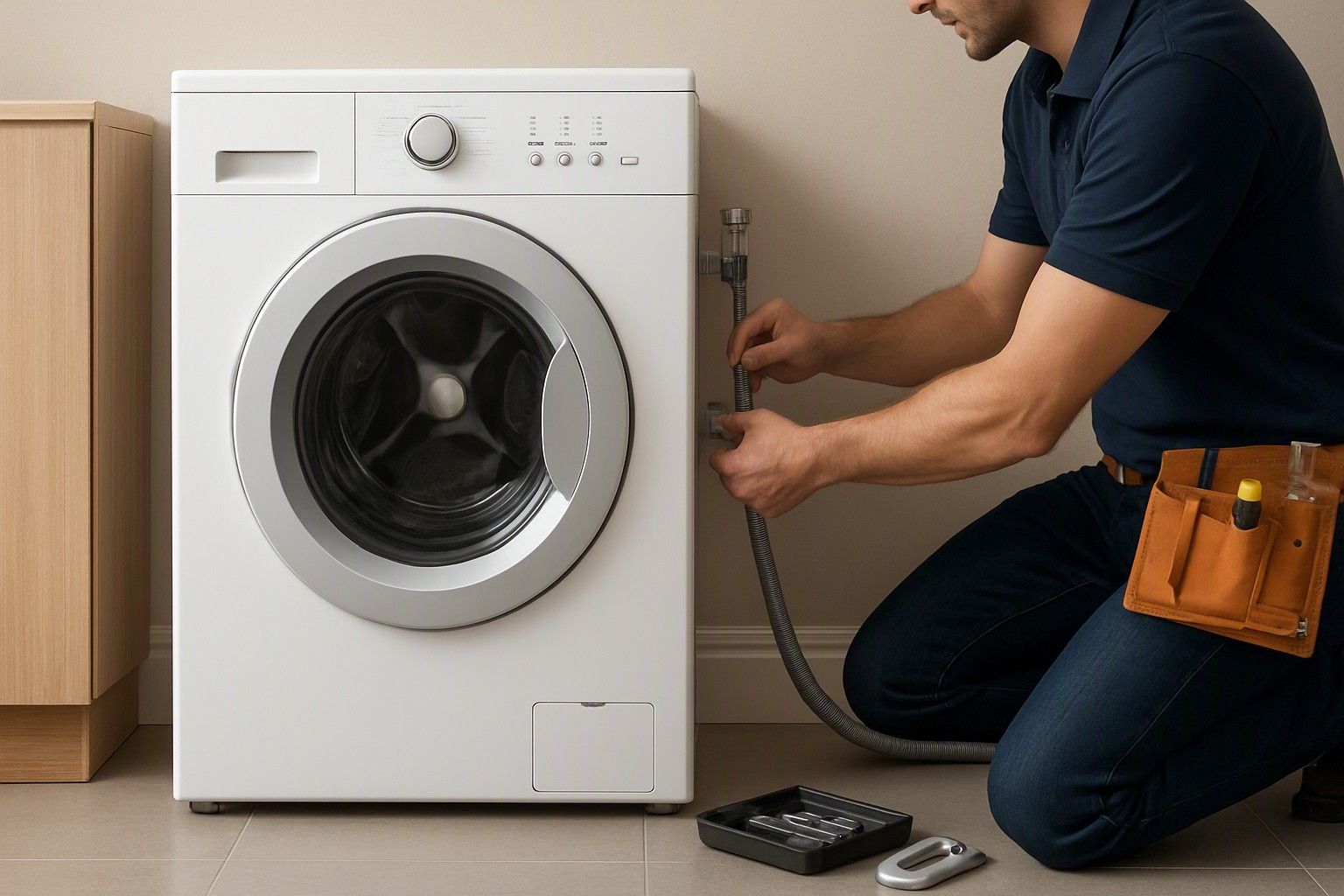
Buying the machine is the easy part — living with it for the next decade is where installation costs, warranty fine print and service response times actually matter. If you're wondering what happens after delivery, what's covered when something breaks, and what ongoing ownership realistically looks like, this is what to expect.
What Installation Involves and What It Costs
Most washing machines in India are delivered with a basic installation visit included, where a technician unboxes the unit, levels it, connects the inlet hose to your tap, checks the outlet drainage, and runs a test cycle. For a straightforward setup, this is often free or bundled into the delivery charge. Where costs come in is anything beyond the standard hookup — extending the inlet pipe if your tap is far from the machine, fixing a stand or trolley underneath, installing an inlet valve where none exists, or running additional drainage pipe to reach a floor drain. These extras are charged separately, and the amount varies by brand and city, so it's worth asking upfront rather than being surprised on installation day.
A front-load machine typically needs more careful leveling than a top-load, since drum balance affects noise and vibration during spin cycles, and this can add a few extra minutes to the visit but rarely extra cost on its own. What genuinely saves you money and hassle is sorting out the practical setup before the technician even arrives — knowing your tap pressure, confirming there's a floor drain or outlet within hose reach, and having stable, level flooring ready. It helps to confirm your water and drainage setup beforehand, since installation delays and last-minute plumbing work are among the most common complaints buyers have after delivery, and most of it is avoidable with a bit of planning.
Understanding Warranty on Motor, Drum and Parts
Warranty structure on washing machines in India usually works in two layers, and understanding the split matters more than the headline number printed on the box. Almost every machine comes with a standard one or two-year comprehensive warranty covering the whole appliance — parts, labour, and call-out visits for defects. Separately, the motor (and on some machines, the drum) often carries an extended warranty running anywhere from five to ten years, but this extended cover is usually motor-only. It does not extend to the control panel, door seal, drain pump, or electronics, which fall back to the shorter comprehensive period.
This distinction catches a lot of buyers off guard when a motor issue is fixed free years later, but a control board fault right after the comprehensive period ends comes with a full repair bill. Read the warranty card at purchase, not after something fails — note what exactly is covered under the extended portion, whether it requires a separate registration step, and whether the comprehensive warranty needs the box or original invoice to be honoured. Extended warranty plans sold separately by the retailer are worth weighing against this built-in cover, since they sometimes just duplicate what the manufacturer already provides for the first year or two, and are only genuinely useful if they cover years beyond the manufacturer's own comprehensive period.
Why Local Service Network Matters More Than Brand Name
A brand's national reputation means very little if the nearest authorised service centre is two towns away or the local technician takes a week to respond. Before buying, it's worth finding out how many authorised service points exist in your city or nearby, and how quickly they typically respond for both installation and post-warranty repairs — this is far more predictable a factor in your ownership experience than the brand's overall market standing. In smaller towns and semi-urban areas especially, service density varies a lot between brands, and a machine from a well-known name can still mean a longer wait for a technician than a lesser-known brand with a stronger regional presence.
Check this specifically for washing machines, not appliances in general, since some brands service refrigerators and ACs well in an area but subcontract washing machine repairs to a different, less responsive network. A quick way to gauge this is checking online reviews for mentions of service delays or technician availability in your specific pin code, or asking the dealer directly how service complaints in your area are typically handled. For a machine that runs several loads a week and where downtime means a household disruption, a technician who shows up in a day matters more day-to-day than a warranty card that promises ten years on paper but delivers slow support when you actually need it.
Routine Maintenance to Extend Machine Life
A washing machine that gets basic upkeep easily runs well past its warranty period, while one that's neglected starts showing problems within a couple of years regardless of price paid. Wipe down the door seal and detergent drawer after use, since trapped moisture there is the most common source of odour and mould, especially in front-load machines. Run an empty hot cycle with a cleaning agent or plain white vinegar once a month to clear detergent buildup inside the drum and pipes, and leave the door slightly open between washes so the drum interior can dry out fully rather than sitting damp.
Check the inlet hose and filter periodically for sediment, particularly if your water supply isn't fully filtered, since blocked filters are behind a large share of reduced water flow complaints. Don't overload the drum beyond its rated capacity even occasionally, as this strains the motor and bearings over time and is one of the more common causes of premature wear. None of this requires a technician or costs anything beyond a few minutes a month, but skipping it consistently is what turns a machine that should last a decade into one needing repairs well before its warranty period is even over.
Common Repairs and Typical Replacement Costs
The repairs that come up most often after the warranty period ends tend to cluster around a handful of parts: the drain pump, which can clog or fail from lint and debris; the door seal or gasket on front-load machines, which wears and can start leaking; the control board, which is sensitive to voltage fluctuations common in many Indian homes; and the drum bearings, which wear down with age and heavy use, causing louder noise during spin cycles. Motor issues are comparatively rare precisely because of the extended motor warranty most brands offer, but when they do happen outside that cover, they're among the costlier repairs.
Costs for these repairs vary widely depending on the part, the brand, and whether it's an authorised service visit or a local technician, so it's not useful to quote a single figure — what matters is knowing which repairs are common enough to budget for mentally. A drain pump or door seal replacement is a routine, moderate-cost fix; a control board replacement tends to run higher since the part itself is expensive; and a full motor replacement outside warranty is the most expensive scenario, which is exactly why checking that extended motor warranty at purchase time is worth the few minutes it takes. Given that machines in the market span from ₹5,990 to ₹89,990, with most falling around ₹18,500, a major out-of-warranty repair on a budget machine can represent a meaningful fraction of what a new one costs, which is a fair consideration when comparing upfront price against a machine's build quality.
Ownership Checklist Before You Buy
Before finalising a machine, it helps to run through a short mental checklist rather than deciding on price and features alone. Confirm what the installation visit actually includes and what counts as a chargeable extra. Read the warranty card closely enough to know exactly what the extended cover applies to versus the shorter comprehensive period. Check the local service network specifically for washing machines in your area rather than assuming a big brand name guarantees quick support. Factor in a few minutes of monthly maintenance as a habit, not an afterthought, since it has more bearing on the machine's lifespan than almost anything else. And weigh the price you're paying, whether it falls in the ₹7,500, ₹20,000, or ₹42,000 range, against what a major repair might cost once the warranty period lapses.
None of this is complicated, but it's easy to skip when you're focused on comparing drum capacity and wash programs. If you haven't already worked through the fuller decision process, it's worth taking a moment to go back to the main buying guide and confirm the rest of your choice lines up with how you plan to actually own and maintain the machine, not just how it looks on the showroom floor.
Installation, warranty and service aren't the exciting part of buying a washing machine, but they're what determine whether ownership feels smooth or frustrating over the years you'll actually spend with it. With a clear sense of what's included at setup, what your warranty really covers, and why a responsive local technician matters more than brand prestige, you're in a solid position to buy with confidence rather than find out the hard way after something goes wrong.
Comments
Be the first to comment.