Top Load vs Front Load Washing Machine: Price, Performance & Maintenance
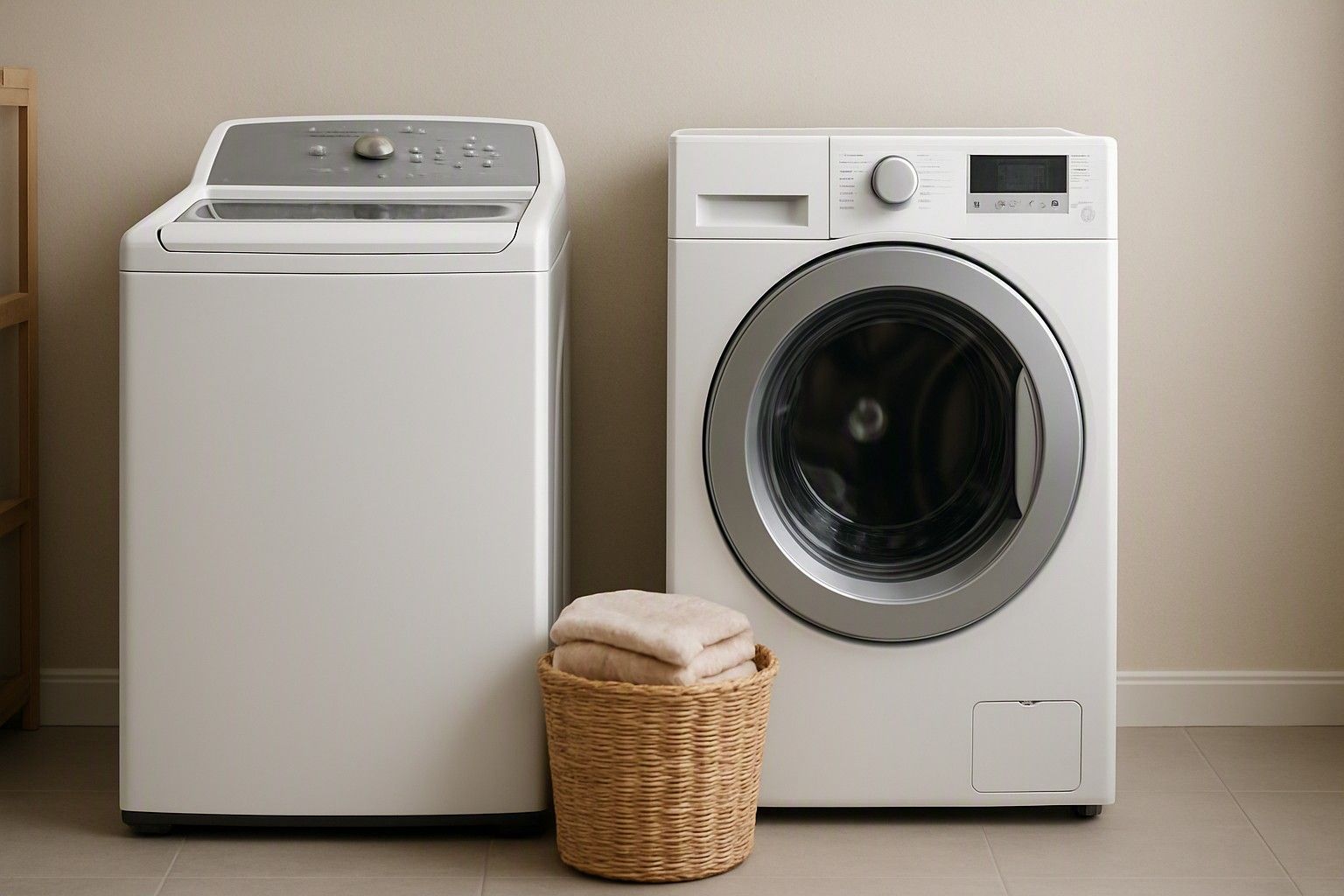
If you're stuck between a top load and a front load washing machine, the honest answer is that neither is universally better — each solves a different problem depending on your water pressure, budget and how fussy you are about fabric care. This article breaks down the real trade-offs, in plain terms, so you know which one actually fits your household rather than which one has better marketing.
Wash Quality and Fabric Care Compared
Front load machines generally wash clothes better, and this isn't marketing — it's how the mechanism works. They tumble clothes through a shallow pool of water using gravity, which means gentler handling of fabric, less tangling, and noticeably better stain removal because clothes spend more time being lifted and dropped rather than churned. This makes front load machines the safer choice for people who wash a lot of delicate fabric, formal wear, or blended synthetics that fray or pill easily.
Top load machines use a central agitator or pulsator that spins clothes through a full tub of water. This gets clothes clean fast and works well for everyday cottons, towels and bedsheets, but the agitation is rougher — over time you'll notice more wear on delicate items, occasional tangling of dupattas or long garments, and slightly less thorough stain lifting on tough marks like oil or turmeric. That said, for a household mostly washing daily cottons and not overly precious about garment life, top load performance is perfectly adequate.
The practical takeaway: if your laundry is dominated by delicate or mixed-fabric loads, front load earns its keep. If it's mostly cottons and you wash frequently in smaller batches, the gap in outcome matters less than it sounds.
Water and Electricity Consumption of Each Type
This is where the two types diverge sharply, and it's not a minor difference — it compounds every single wash, every month, for years. Front load machines use significantly less water because they only fill a shallow pool at the bottom of the drum instead of submerging the entire load. They also spin at much higher RPM, which extracts more water from clothes before drying, cutting down electricity used if you follow up with a dryer, and reducing drying time on a balcony too.
Top load machines fill the drum fully to cover the agitator, which means notably higher water consumption per cycle. In cities with metered water or tanker-dependent supply, this adds up fast over a year of daily washes. Electricity use per cycle is often comparable or even slightly lower on basic top load models simply because they lack the high-speed spin motors of front load machines, but the water cost usually outweighs that saving for most households.
If your building has low water pressure or you're on a restricted daily water supply, this becomes more than a running-cost question — it can affect whether the machine fills and completes cycles reliably at all. It's worth working through the numbers properly before you decide; you can see how each type affects your monthly running costs to compare the actual rupee impact over a year rather than guessing from spec sheets.
Loading Comfort and Space Requirements
Top load machines win decisively on everyday ergonomics. You load and unload from the top at roughly waist height, which means no bending, no kneeling, and much easier handling for anyone with knee or back trouble — a genuinely important factor in Indian households where the same machine often serves multiple generations. They also tend to have a smaller footprint, fitting into narrower utility corners since you don't need door-swing clearance in front.
Front load machines require you to bend down to load and unload, and they need clear space in front of the door to open fully — a real constraint in compact Indian bathrooms or utility balconies where the door might hit a wall, a bucket, or a geyser pipe. On the plus side, most front load machines can have a countertop or shelf fixed above them since the top is flat and unused, effectively giving back some storage space that a top load machine's lid-opening mechanism doesn't allow.
Before deciding, actually measure your intended spot including door swing and plumbing position, since a front load unit that looks fine in a showroom can be awkward in a real utility area. It helps to confirm it fits your bathroom or utility area rather than assuming standard dimensions will work.
Price Gap Between Top Load and Front Load
Across the fully automatic segment, prices range from ₹5,990 to ₹89,990, with an average around ₹18,500 — and the type of machine is one of the biggest factors pulling a specific model toward either end of that range. Top load machines dominate the ₹7,500 and lower ₹20,000 bands. Their mechanically simpler design, without the reinforced drum bearings, high-RPM motors and heavier build needed to handle horizontal tumbling, keeps manufacturing costs down, and that saving is passed on directly.
Front load machines rarely appear at the very bottom of the market. They typically start higher within the ₹20,000 band and extend well into ₹42,000 and beyond, since the engineering — better door seals, vibration control, higher-torque motors — costs more to build regardless of brand. If your budget is firmly capped in the ₹7,500 range, a front load machine of decent quality is genuinely hard to find, and a top load unit will get you far more machine for the same money.
This price gap isn't a temporary market quirk you should wait out — it reflects a real, permanent difference in build complexity, so there's no reason to delay a purchase expecting front load prices to fall to top load levels. Decide based on what the current spread tells you about your budget today.
Maintenance and Common Complaints
Front load machines demand more upkeep. Their door seals (gaskets) trap moisture and lint, which breeds mould and odour if you don't wipe them dry and leave the door ajar between washes. Detergent drawers clog with residue and need periodic cleaning, and because the drum sits on a horizontal axis with bearings, a bearing failure — while not common — is a costly repair when it happens. They're also more sensitive to poor quality or low-pressure water supply, which can trigger fill errors or incomplete cycles.
Top load machines are mechanically simpler and more forgiving. There's no door seal to harbour mould, spare parts for the agitator or pulsator assembly are cheaper and more widely available, and most local technicians are comfortable servicing them without specialised training. The common complaints tend to be lighter — occasional imbalance during spin with uneven loads, or lint buildup on the lint filter that needs regular clearing — but these are minor compared to front load servicing needs.
If you don't want to think about your washing machine beyond loading and unloading it, top load is the lower-maintenance choice. If you're comfortable with a bit of routine care — wiping seals, running a drum-clean cycle occasionally — front load's added upkeep is manageable and doesn't offset the wash-quality benefit for most owners.
Which One to Pick for Your Situation
If you have unrestricted water supply, mostly wash delicate or mixed fabrics, have space for door clearance, and your budget comfortably sits in ₹20,000 or ₹42,000, a front load machine is the better long-term fit — better fabric care and lower water use will justify the extra spend over years of use. If you're working with a tighter budget closer to ₹7,500, have limited or inconsistent water pressure, need easy loading for elderly family members, or simply want a machine that's cheap to repair locally, a top load machine is the more sensible pick and won't leave you compromising on reliability.
Neither choice is a downgrade — they're built for different priorities, and the right one depends on your water situation, laundry habits and who in the house actually uses the machine day to day. Once you've settled this decision, it's worth stepping back to see how this fits the wider buying decision so capacity, features and brand choices line up with the machine type you've picked.
Between the two, the question was never which type is objectively superior — it's which trade-offs match your water supply, budget and daily laundry habits. With the wash quality, running costs, space needs, price gap and maintenance load laid out here, you now have enough to walk into a showroom or open a listing knowing exactly which type you're shopping for, rather than deciding on the spot.

Comments
Be the first to comment.