How to Choose the Right Air Purifier for an Indian Home
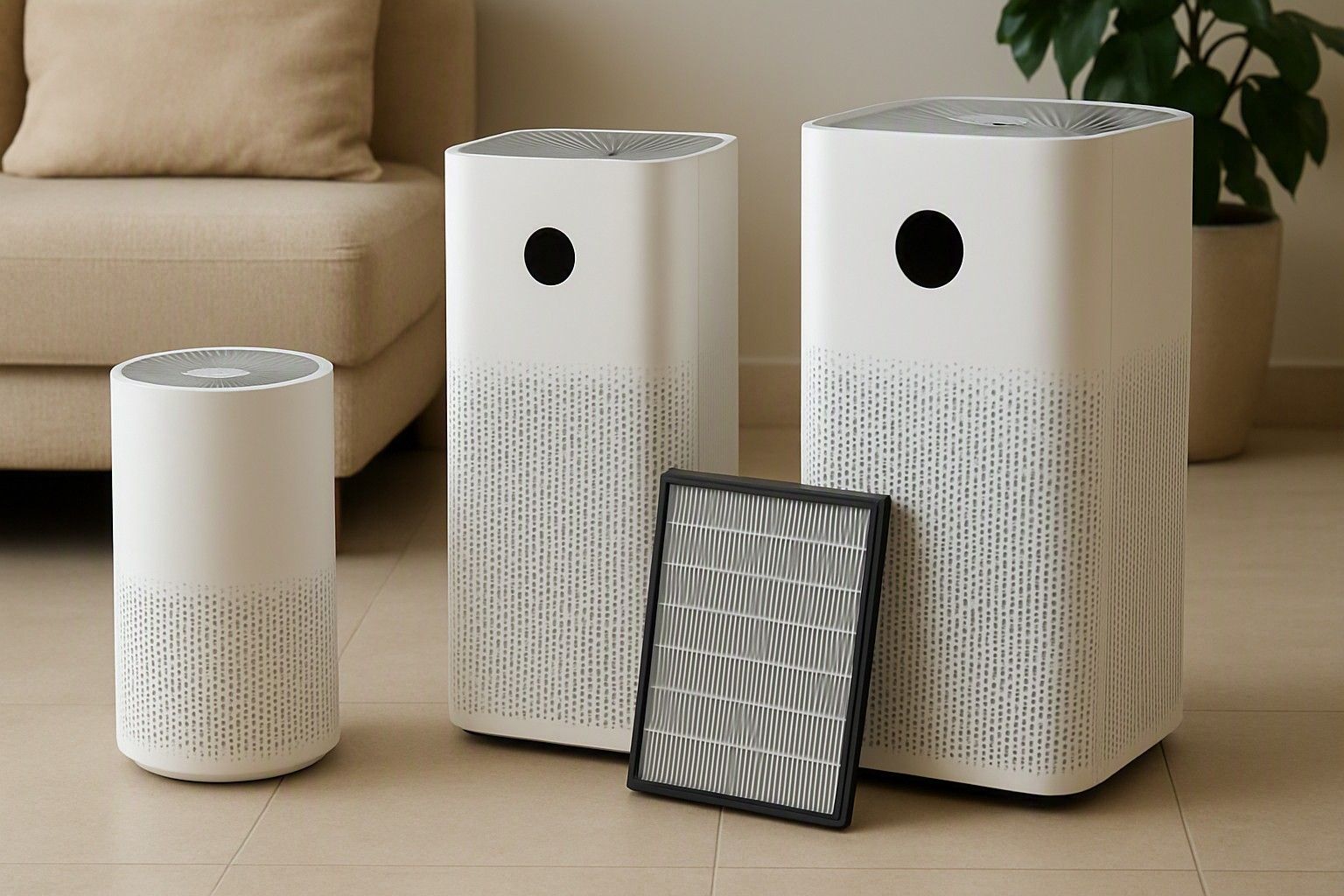
Buying an air purifier in India rarely comes down to one number on a spec sheet. The right choice depends on where you live, how bad your air actually gets, the size of the rooms you're trying to clean, and how much you're willing to keep paying once the box is open. Get any of those wrong and you either overspend on a machine that's overkill or end up with one too weak to make a difference. This guide maps the full decision — from whether you need a purifier at all to the traps that catch buyers at checkout — and points you to a focused deeper read at each step.
Do You Actually Need an Air Purifier in India?
Before spending anything, it's worth being honest about whether your home is genuinely a candidate. The answer turns on your city, the specifics of your house, and the people living in it — not on an ad that made the case for you. A purifier fixes some problems and does nothing for others, and this article helps you tell which side you fall on so you can understand what an air purifier really does against Indian pollution before you commit a rupee.
HEPA, Activated Carbon and the Filters That Matter
Every listing repeats the same vocabulary — HEPA, activated carbon, pre-filter, ioniser — and almost none explain what those layers do to the air you breathe. Some genuinely trap dust, smoke and fine particles; others are closer to packaging than function. If you'd rather read a spec sheet than trust the claims on the carton, this guide will help you learn how the different filter layers clean your air and spot which stages actually earn their place.
Matching Room Size and CADR to Your Home
"Covers up to X sq ft" and a CADR rating mean little until you connect them to your own bedroom or hall. Pick blindly and you land with a unit that's either too feeble to matter or far more than the room needs. This article translates CADR into real coverage for Indian room sizes, and factors in noise and how many units a home might need, so you can size your purifier using CADR and coverage numbers with actual math behind it.
Purifier vs Air-Cleaning AC and Indoor Plants
Plenty of buyers wonder if a few plants or an AC's "air purifying" mode makes a dedicated purifier unnecessary. The short version is usually no, though it depends on the problem you're actually trying to solve. Rather than deciding off a marketing line, this comparison puts all three next to each other so you can see whether cheaper alternatives can replace a purifier based on how they behave in a real room.
Choosing for Delhi Winters, Diwali Smoke and Kitchen Fumes
If your worry is winter AQI hitting severe territory, festival smoke settling overnight, or a kitchen and roadside that keep the air dirty year-round, a generic "top-rated" pick won't cut it. The real question is whether a unit can cope with sustained heavy loads instead of the occasional light dust. This guide works through those India-specific stress points so you can pick the right model for high-pollution Indian conditions with the filter design and sizing to match.
What You Should Spend at Each Budget Level
Air purifiers in India stretch from ₹4,500 to ₹80,000, and moving up a tier isn't just about looks — it shifts coverage area, filtration stages and how long the machine runs before serious upkeep. How much you should spend hinges on room size, pollution load, and the replacement bills you're signing up for later. This breakdown lays out each level so you can compare what ₹6,000, ₹15,000 and ₹35,000 actually get you and set a budget with intent.
Filter Replacement and Running Costs Over the Years
The sticker price is only the cost of getting in the door. What really decides affordability is the monthly reality afterwards — filters, electricity, and the occasional replacement you didn't plan for. Before you commit, this article puts the true yearly figure in plain terms so you can estimate the ongoing cost of filters and electricity instead of being surprised by it later.
Mistakes and Fake Claims to Watch Before You Buy
The last stretch before payment is where the real danger sits — not a wrong feature, but a claim that simply isn't true. Indian listings are thick with padded coverage figures, ozone-emitting "ionisers" dressed up as purifiers, and sensors flashing numbers with no calibration behind them. Run through this checklist so you can avoid the common traps and misleading specs sellers use and make sure your money buys clean air, not a pretty spec sheet.
You now have the full shape of the decision — from whether a purifier belongs in your home at all, through filters, sizing, alternatives, pollution load, budget and long-term costs, down to the claims worth distrusting. Start with whichever question is nagging you most, follow that link, and work outward from there. Each step above stands on its own, so you can decide confidently today rather than second-guessing at checkout.

Comments
Be the first to comment.