Choosing a Breast Pump in India: Fit, Suction, Power Backup and Hygiene to Check First
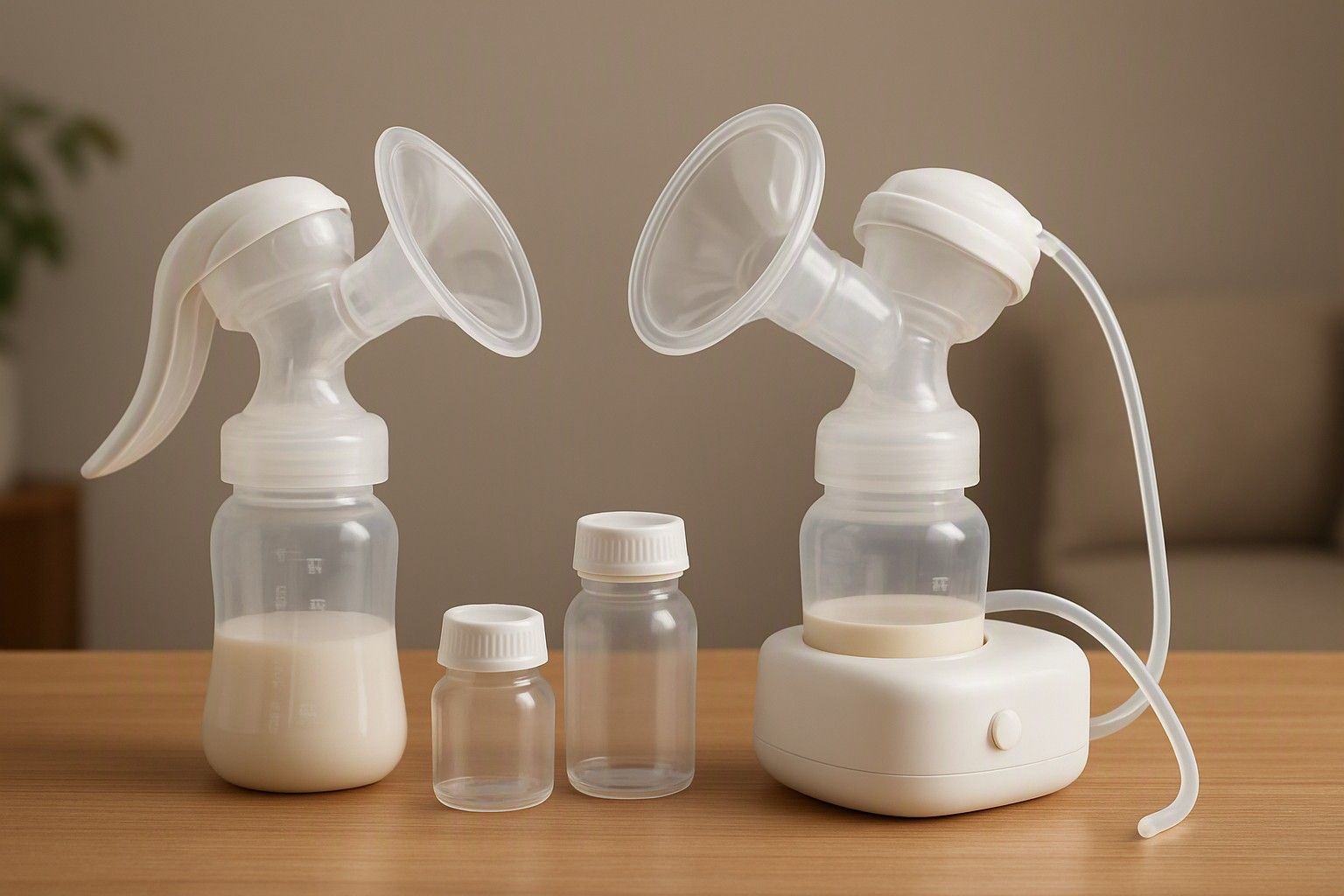
Buying a breast pump in India involves a short chain of decisions. First, does your feeding situation call for one at all? If it does, the next questions are which type matches how often you'll express, what flange size you need and which specs actually matter. After that come hygiene design, a sensible price band and the upkeep that continues long after the box is opened. This guide takes each of those in order, whether you are the mother or a family member buying for her, and points you to a deeper read wherever a decision deserves one.
Should You Buy a Pump Before Delivery or Wait Until Feeding Settles?
Many families buy a pump in the last trimester just to be safe, but plenty of mothers never end up needing one. If the baby nurses comfortably, stays with you through the day and nobody else handles feeds, hand expression can cover the occasional need. The case for buying gets stronger when the baby has trouble latching, when a partner or grandparent takes over some feeds, or when work or a hospital stay keeps you apart. Read about the situations where pumping genuinely helps a feeding routine to work out which applies to you before spending anything.
Manual, Electric or Wearable: Matching the Pump to How Often You'll Express
Realistic frequency decides this more than features do. Expressing only now and then, say a couple of times in a week, rarely justifies a motor, so a manual pump does the job. Pumping daily alongside a job or regular feeds is where an electric model earns its cost, while wearables serve a smaller set of mothers who need to keep moving mid-session. Compare how manual, electric and wearable pumps differ in daily effort before you commit to one.
Why Flange Fit Decides Comfort More Than the Brand Does
Pain while pumping, too much breast tissue being drawn into the tunnel, or yields lower than you expected usually point to the flange rather than the motor. Plenty of pumps sold in India pack just one size, and that one size won't suit every mother. A few minutes at home is enough for measuring your nipple diameter for the correct flange, and the guide also explains how to spot a poor fit and what to do when the supplied part is wrong for you.
Suction Control, Battery Backup and Noise: Specs That Change Daily Use
Electric pump listings throw a lot of figures at you, and only some of them change how comfortable a session feels or how much milk you collect. The rest is largely sales copy. This guide separates which suction, battery and noise numbers deserve attention from the ones you can skip, and covers pumping modes along the way.
Pumping Once Maternity Leave Ends
Going back to work changes what a pump has to handle. The model that wins on a spec sheet is often not the one that suits you; what counts is how it copes with the power situation at your workplace, where you can keep expressed milk cold, the space your office gives you to pump and the hours you spend travelling. Start with choosing a pump that copes with office hours and long commutes and check each of those against your own routine.
Backflow Protection, Hygiene and Pumps Passed Down Within the Family
An elder sister or cousin offering her old pump is common in Indian families, and whether that pump is safe comes down mainly to its design. A closed-system unit whose motor and tubing are still in good shape is a very different proposition from an open one. Read why closed-system designs matter for shared or passed-down pumps to see which components can be reused, which must always be bought fresh, and when a new pump is simply less hassle.
What a Fair Price Looks Like in This Category
Listed prices run from ₹450 to ₹26,000, broadly grouped into ₹900, ₹3,000 and ₹8,000. How frequently you plan to express, more than the brand, decides which band makes sense for you. The breakdown of how far a budget around ₹2,800 usually stretches shows what each band typically buys, so you can judge a listing against what that type normally costs and pay with confidence.
Running Costs After the Box Is Opened
The purchase price is only the beginning. Small parts such as duckbills and tubing wear out on a cycle measured in weeks or a few months, and every piece that touches milk needs a wash after every use. This guide covers the valves, membranes and other parts that wear out with regular pumping, along with sterilising with hard water, drying parts in damp, sticky conditions and what warranty and service support in India tends to include.
You now have the full sequence in view: whether you need a pump, which type fits your routine, how to get the flange right, which specs to trust, how hygiene and hand-me-downs factor in, what to pay and what upkeep to budget for. Settle each step in order, open the linked guide wherever you want more detail, and you can choose a pump today knowing it suits your feeding plan.

Comments
Be the first to comment.