How Much Should a Breast Pump Cost in India? What Each Price Band from ₹450 to ₹26,000 Gets You
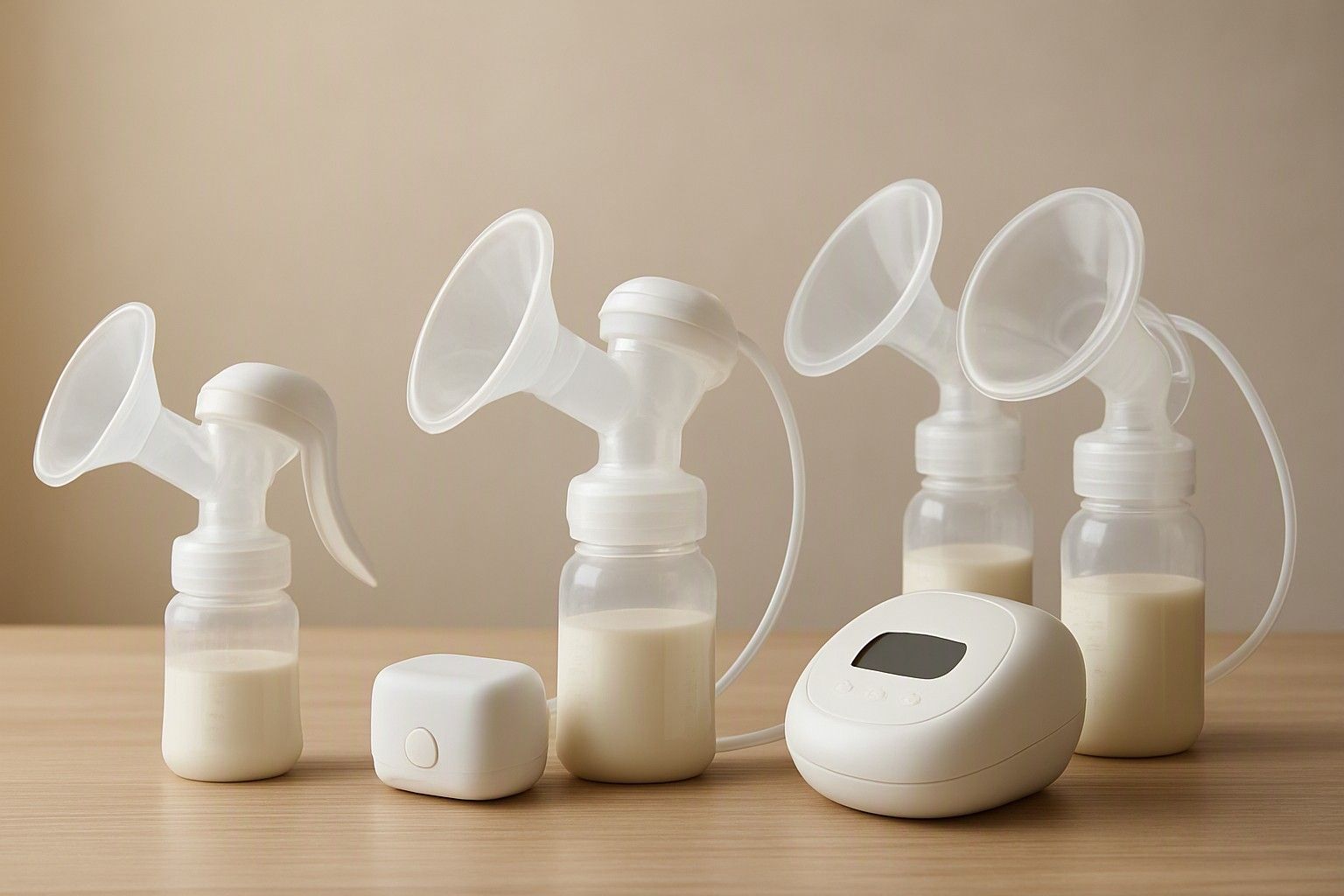
A good breast pump in India can cost anywhere from ₹450 to ₹26,000, and the right price depends almost entirely on how often you will pump. This guide shows what each price band typically buys, so you can tell whether the number on a listing is fair for the type of pump you want. If you are ready to buy and want to check a price before paying, this is for you.
The Full Price Range and Where the ₹2,800 Average Sits
Prices in this category run from ₹450 at the low end to ₹26,000 at the top, a gap wide enough that two pumps can both be called "breast pumps" and have little else in common. The average of ₹2,800 is the more useful number. It falls inside the ₹3,000 band, which tells you the typical buyer ends up with a mainstream electric pump rather than either extreme.
The spread comes from four things: how the pump is driven (hand, single motor, double motor, or wearable), whether it has a rechargeable battery, how many suction and expression settings it offers, and how much of the kit is included. A pump near the average should cover the basics for regular use. A pump far below it usually drops a feature you will notice. One far above it should be offering something specific, such as hands-free use or a heavier-duty motor, not just a longer feature list.
The next three sections follow the three budget bands in order, and then look at what lifts a price toward the top of the range.
Pumps In range of ₹900: Mostly Manual and Basic Single Electric
This band is where most manual pumps sit, along with the simplest single-motor electric models. Nothing here is a bad purchase for the right use, but it is built for light, occasional pumping.
What you typically get:
- Hand-operated pumps that you squeeze or press for every expression. They are quiet, need no charging or plug point, and travel well.
- Basic single electric models with limited suction levels, often mains-powered or with a small battery of modest endurance.
- A minimal kit, usually one flange size and a bottle or two.
Where the trade-offs show: a manual pump tires your hand if you pump more than once or twice a day, and it takes longer per session. Basic electric pumps at this level can be noisier and offer fewer ways to adjust to your comfort. Spare valves and membranes may also be harder to find than for better-known pumps.
This band suits you if you are pumping now and then, to relieve engorgement, to leave one bottle with a caregiver, or to test whether pumping works for you before spending more. If you expect to pump daily at work, you will probably outgrow it quickly.
Pumps in the ₹3,000 Band: Mainstream Electric Options
This is the core of the market and where the ₹2,800 average sits. Most pumps here are electric, and many are rechargeable, which makes a real difference if your pumping happens in an office, a car, or a room without a convenient socket.
You can expect a better motor than in the lower band, more than one suction mode (usually a stimulation phase and an expression phase), and adjustable levels so you can find a setting that is comfortable rather than merely strong. Single and double electric options both appear here, with double pumping showing up toward the upper end of the band. Kits tend to be more complete, with extra flanges or connectors and sometimes a carry bag.
Before you compare models, it helps to know the suction and battery features to expect at mid-range prices, because two pumps at the same price can differ widely in battery life and noise. For a mother returning to work or pumping several times a day, this band usually gives the best balance of reliability and cost. Check that spare parts are sold separately and that the flange sizes match your fit.
Pumps in the ₹8,000 Band: Double, Wearable and Premium Models
Moving into this band, you are paying for convenience and for pumping time saved. Double electric pumps become standard here, letting you express from both breasts at once and roughly halving the length of each session. That matters if you pump three or more times a day.
Wearable pumps also start to appear in this band. These sit inside the bra, so you can keep working, caring for your baby, or moving around while you pump. The trade-offs are real and worth weighing: the motor is small and often sits on the breast, so some women find them less efficient than a traditional double pump, and each collection cup holds a limited amount of milk. They are convenient, but not always faster.
Premium models here also tend to offer finer control over suction and cycle speed, memory for your preferred settings, a stronger and longer-lasting rechargeable battery, and quieter operation. Spend in this band if you pump daily and your time or discretion matters. If you pump only occasionally, the extra cost is hard to justify.
What Pushes Prices Toward ₹26,000
Prices beyond the ₹8,000 band, and up toward ₹26,000, are driven by a narrow set of factors, not a general rise in quality.
Motor build and duty cycle. Heavier-duty motors designed for frequent, long-term use cost more. This is the clearest reason for a high price, particularly for mothers who exclusively pump or who are building a supply under difficult conditions.
Hospital-grade or rental-style performance. Pumps positioned for intensive use carry a premium because of the motor and the build around it.
Smart features. App connectivity, session tracking, and memory settings add cost. They are useful if you like data, but they do not make milk come out faster.
Hands-free design with higher capacity. Better-engineered wearables with larger collection cups and stronger motors sit higher in the range.
Kit and accessories. Extra flanges, storage bags, cooler carriers, and spare parts included in the box lift the sticker price while sometimes lowering what you spend later.
If a listing near the top of the range cannot name which of these it offers, the price is probably paying for branding.
Judging Whether the Price in Front of You Is Fair
Start by placing the pump in its band. A manual or basic single electric pump should be priced like those in the ₹900 band. A mainstream rechargeable electric pump should fall near the ₹2,800 average or within the ₹3,000 band. If a pump claims a double motor or wearable design, expect it near the ₹8,000 band. A big mismatch in either direction deserves a closer look.
Then run through these checks:
- Pump type: does it match how often you pump? Paying for double or wearable features you will not use is the most common overspend.
- Battery: is it rechargeable, and is the charging port something you can easily replace?
- What is in the box: flange sizes, valves, membranes, tubing, and bottles. A lower price with a thin kit can cost more in the end.
- Availability of parts: valves and membranes wear out and need replacing, so look at the spare-part costs that add to the sticker price over time before you commit.
If the price fits the band, the features match your use, and parts are easy to get, you have what you need to buy with confidence today.
Matching Your Budget to the Right Pump
Let your pumping routine pick the band, not the other way round.
- Occasional pumping, or just starting out: the ₹900 band is enough. A manual pump or basic electric one will do the job without much outlay.
- Regular pumping, such as going back to work: the ₹3,000 band is the sensible target. Look for a rechargeable electric pump with adjustable suction and a complete kit.
- Frequent daily sessions, or when saving time matters most: the ₹8,000 band gets you a double electric or wearable pump, whichever suits your routine.
- Exclusive pumping or intensive needs: only here does it make sense to look toward ₹26,000, and only for features you can name.
Price alone will not guarantee comfort, since flange fit matters as much as the motor. For help with pairing a price band with the type and fit you actually need, the buying guide covers pump types, sizing, and what to check before you order.
A good breast pump in India costs what its type and your pumping routine justify: little for occasional use, around the average for daily use, and more only for features you can point to. You now have a price band for each kind of pump and a few checks to apply to any listing, which is enough to decide today.

Comments
Be the first to comment.