Choosing a Digital Safe Locker: Lock Type, Steel, Size and Bolting for Indian Homes
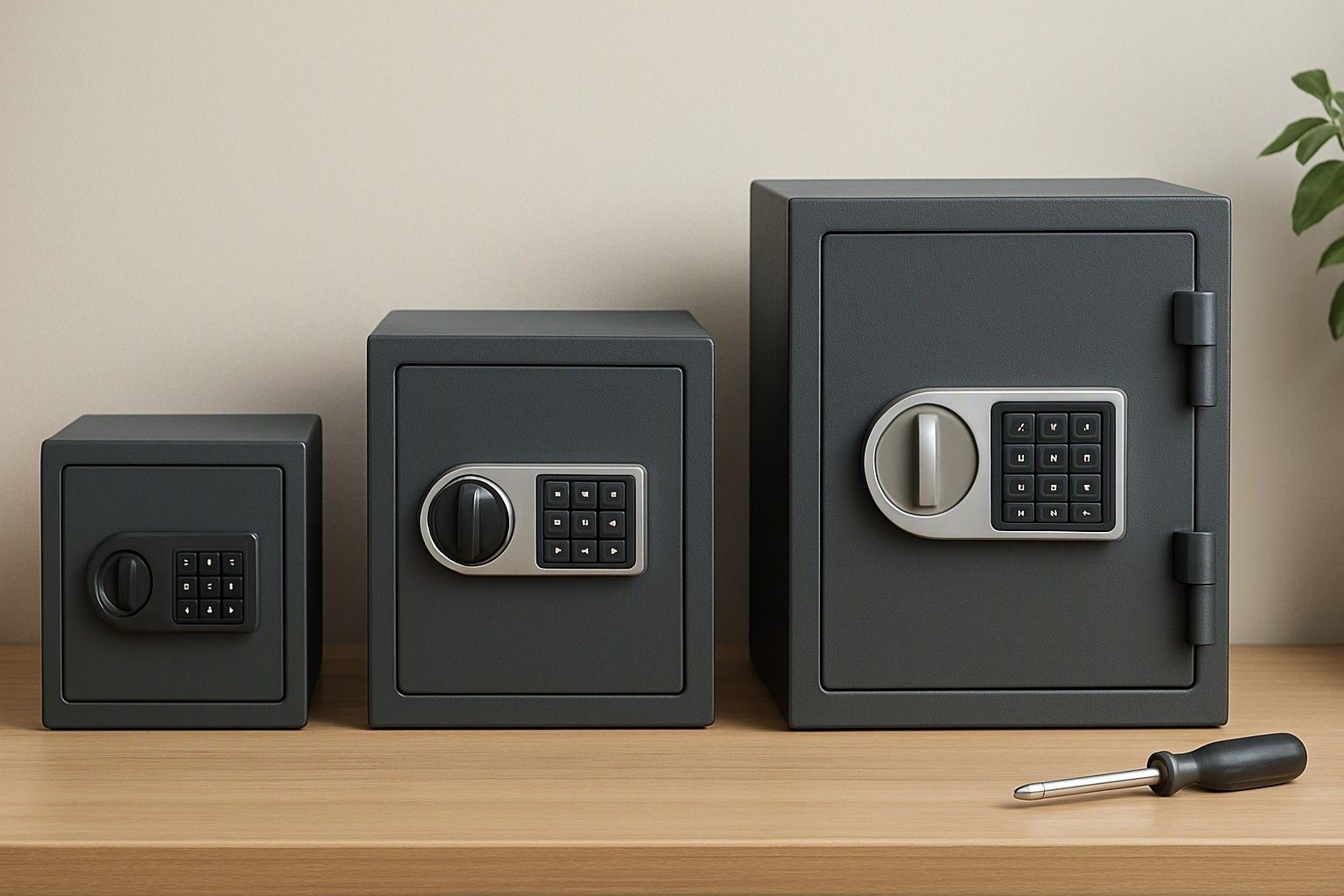
A digital safe locker looks like a simple purchase, but several separate choices decide whether it actually protects what you put inside. Before you look at any listing, it helps to know whether a home safe suits you at all, which lock you will live with every day, and how much space your valuables really need. After that come steel and bolts, where and how the safe is fixed, whether a business needs something different, what each price band buys between ₹5,000 and ₹60,000, and how to look after the safe once it is home. This guide takes those decisions in order and points you to a detailed article on each one.
First Decide: Home Safe, Bank Locker or Both
Settle where your valuables belong before you compare lock types or litres. A rented bank vault and a safe at home guard against different risks, and plenty of families end up splitting their valuables between the two. The detailed comparison looks at insurance, how easily you can reach your things, what each option costs and who is liable if something goes missing. Start by weighing a home safe against bank locker rent and access limits.
Lock Mechanism: Keypad, Biometric or Key Backup
The lock is the part you touch every day, so how reliably it works matters more than how modern it looks. In most Indian homes a PIN keypad is the steadier choice, because sweaty hands, cooking grease and older skin can trip up a fingerprint sensor. A biometric reader does open quicker and keeps your code away from prying eyes, but only if everyone in the family scans cleanly. Our guide to how keypad, fingerprint and override-key locks compare also explains why a mechanical backup key belongs on whichever lock you pick.
Capacity Matched to What You Will Actually Store
Listings quote capacity in litres, and that number is hard to picture when you are standing in a shop. The more useful question is whether the safe takes the things you own, such as an A4 folder of sale deeds, a laptop, a jewellery case or a stack of notes. This guide converts volume into those everyday objects, so read the section on sizing a safe around jewellery boxes and property papers before you settle on a size.
Build Quality: Steel, Bolts and Fire Protection
The word 'secure' covers two different jobs. Resistance to prying and drilling depends on how the door is built, how many bolts hold it shut and the gauge of the steel. Fireproofing is a separate add-on, worth paying for only if what you store would be ruined by heat. For figures you can check against a spec sheet, along with questions to put to the seller, see our guide to reading steel thickness, bolt count and fire ratings.
Where the Safe Goes and How It Is Fixed in Place
Fixing a safe properly matters as much as choosing it, and Indian flats make this harder with modular cupboards, partition walls and tiled floors. Renters can still mount one inside a cupboard or against brickwork, but the spot and the fixing method decide whether it holds. This guide covers which surfaces take an anchor bolt firmly, how to keep the safe out of sight, and how to fit it without forfeiting your security deposit. Start with anchoring a safe to RCC floors, brick walls or wardrobes.
Buying for a Shop, Clinic or Office Instead
Handling cash every day changes what you need from a safe. A shopfront on a busy road justifies a heavier body. Several people needing access calls for individual codes. Employees dropping in the day's collection are better served by a safe with a drop slot for deposits. If all you hold is change for the counter and a few files, an ordinary home model can still do the job, and the article on features cash-handling businesses need from a safe helps you see which side of that line you fall on.
Budget: What Each Price Band Delivers
Prices in this category stretch from ₹5,000 to ₹60,000, but a well-made home unit typically lands near ₹12,000. If you already have a quote from a website or a dealer, the useful test is whether that figure fairly reflects the capacity, steel and lock on offer, not whether it might fall later. Our breakdown of what changes between the ₹7,000, ₹15,000 and ₹35,000 bands walks through each tier and shows you how to match features against the amount being asked.
After Purchase: Batteries, Lockouts and Damp
Electronic locks bring their own failure points. A drained cell or a PIN you can no longer recall can leave you staring at a door that will not open, and this guide covers both how to get back in and the habits that stop it happening again. It also deals with humidity during the rains, thinner after-sales support in smaller towns and the running cost of ownership over time. All of this is covered under handling dead batteries, lost codes and monsoon humidity.
You now have the whole decision laid out, from whether a home safe locker suits you to how you will keep it working for years. Work through the questions that apply to you, open the detailed articles where you need more depth, and you can judge any listing or showroom quote on its merits and buy with confidence.

Comments
Be the first to comment.