How to Choose an Exercise Bike: Resistance, Flywheel and Space Checks for Indian Homes
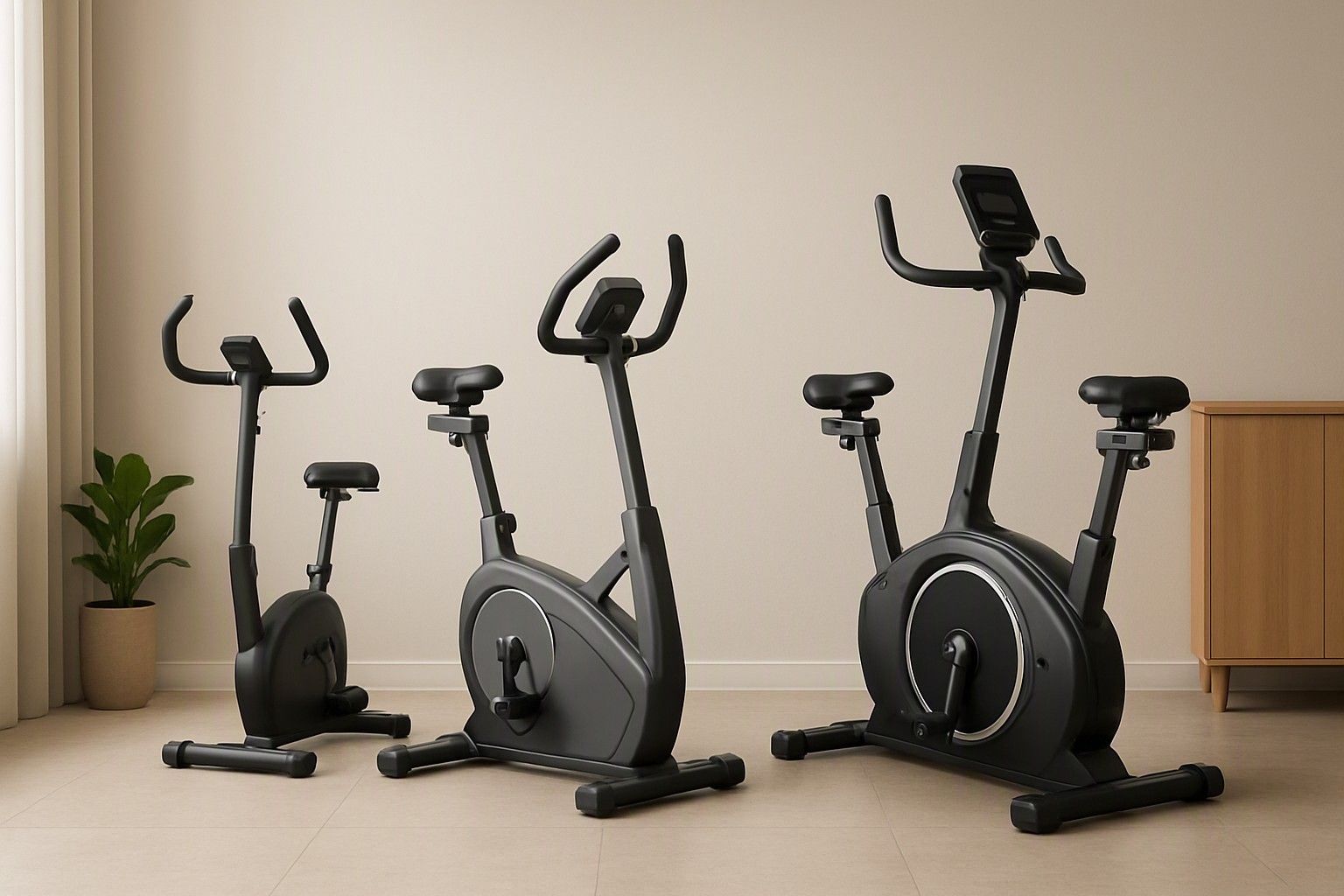
An exercise bike can be a sensible home cardio machine for Indian households, but the right one depends on far more than the price tag. This guide takes the decision in order: whether a bike suits you better than a treadmill, which frame style and resistance drive fit your routine, which numbers on the spec sheet actually matter, and whether the bike will sit quietly in your flat. It then covers buying for older family members, what each budget level gets you, how to vet an online listing, and what ownership looks like after delivery. Each section points to a focused guide, so you can go deeper only where your situation needs it.
Is an Exercise Bike the Right Machine Instead of a Treadmill?
Before comparing bikes at all, settle whether a bike beats a treadmill for your household. When the flat can hold just one cardio machine, the choice usually turns on how your joints handle impact, how much floor you can give up, and whether the aim is losing weight or staying generally fit. Start by comparing a bike and a treadmill on knees, space and running costs, which leaves you with a clear direction on which machine to shortlist.
Upright, Recumbent, Spin Bike or Air Bike: Picking the Frame Style
Frame style decides how you sit, how hard you can push and how much room the bike claims. A recumbent's reclined seat helps riders who need lumbar support or struggle to climb on, spin bikes are built for intense, coached-style sessions, air bikes work arms and legs together in short sprints, and an upright remains the sensible default for everyday fitness in most homes. This guide explains how the four bike styles change posture and workout intensity, along with what each asks of your floor and the people living below.
Magnetic or Friction Resistance: The Drive That Shapes Noise and Upkeep
The resistance system decides how loud each session is and how often you will be tinkering with the bike. Magnetic drives tend to justify their higher price for anyone riding at dawn or late at night through a common wall, while a friction pad stays a fair pick on a tight budget if you can tolerate some sound and periodic adjustment. This article lays out why the resistance mechanism matters more than the display and places electromagnetic, app-linked and fan-based models in context.
Flywheel Weight, User Capacity and Adjustability
Two figures appear on almost every listing: flywheel weight and maximum rider weight. Extra flywheel mass does make pedalling feel more even, though the benefit tapers off beyond a certain point, and the rated capacity should sit comfortably above the heaviest family member rather than just matching them. This guide on reading flywheel and weight-limit figures on a spec sheet shows why these numbers deserve more attention than add-on extras, particularly when several people share one bike.
Fitting a Bike Into a Compact Flat Without Disturbing Neighbours
In an apartment, a bike has to clear two hurdles before fitness even enters the picture: it must suit the room's dimensions, and the household downstairs must not hear it through the concrete slab. That makes where the bike sits, how it tucks away, how loud the drive runs and which frame you pick just as important as any workout feature. Read up on footprint, floor vibration and storage in smaller apartments before shortlisting; that piece is aimed squarely at flat owners rather than households with room to spare.
Buying for Elderly Parents or Someone With Knee Pain
For an older parent, or anyone whose knees protest on stairs, a long menu of workout programmes counts for little. What matters is a frame that stays planted, resistance that can start almost effortless, a seat that matches their leg length, and a low, simple way to mount. This guide covers what makes a bike safe and comfortable for older family members point by point, so the shortlist is built around them.
What Your Budget Gets You, From ₹3,500 to ₹50,000
Prices in this category run from ₹3,500 to ₹50,000, with the typical bike landing near ₹12,000. This article splits spending into ₹4,000, ₹12,000 and ₹30,000, plus the premium segment beyond, and explains how features, the resistance mechanism and sturdiness shift at each level. Use it to understand what each spending level realistically delivers, so you can judge whether the price on a listing is fair and buy with confidence today.
Spotting a Weak Listing Before You Order Online
Ordering a bulky machine without trying it means mistakes are costly, because sending one back is a real hassle. The safer approach is to do your vetting at the listing stage, scanning the delivery conditions, review pattern, warranty wording and quoted specifications for trouble. This guide to inflated specs and thin warranties that signal a poor buy shows which signals point to a bike likely to let you down within months.
Assembly, Maintenance and After-Sales Service
Once the box arrives, someone has to bolt the bike together and keep it running. Routine care is light, usually a short weekly check and the odd inexpensive replacement part, with extra attention against humidity and rust during the rains. Problems tend to grow when a small wobble or creak is left alone, or a service request under warranty is put off. Read what living with a home bike involves after delivery before you order, so the upkeep holds no surprises.
You now have the full route from first question to long-term ownership: machine choice, frame, drive, specs, space, family needs, budget, listing checks and upkeep. Work through the sections that apply to your home, open the focused guides where you need detail, and you will be able to judge any exercise bike listing against what the category normally offers and decide with confidence.

Comments
Be the first to comment.