What Each Exercise Bike Budget Buys: ₹4,000, ₹12,000 and ₹30,000
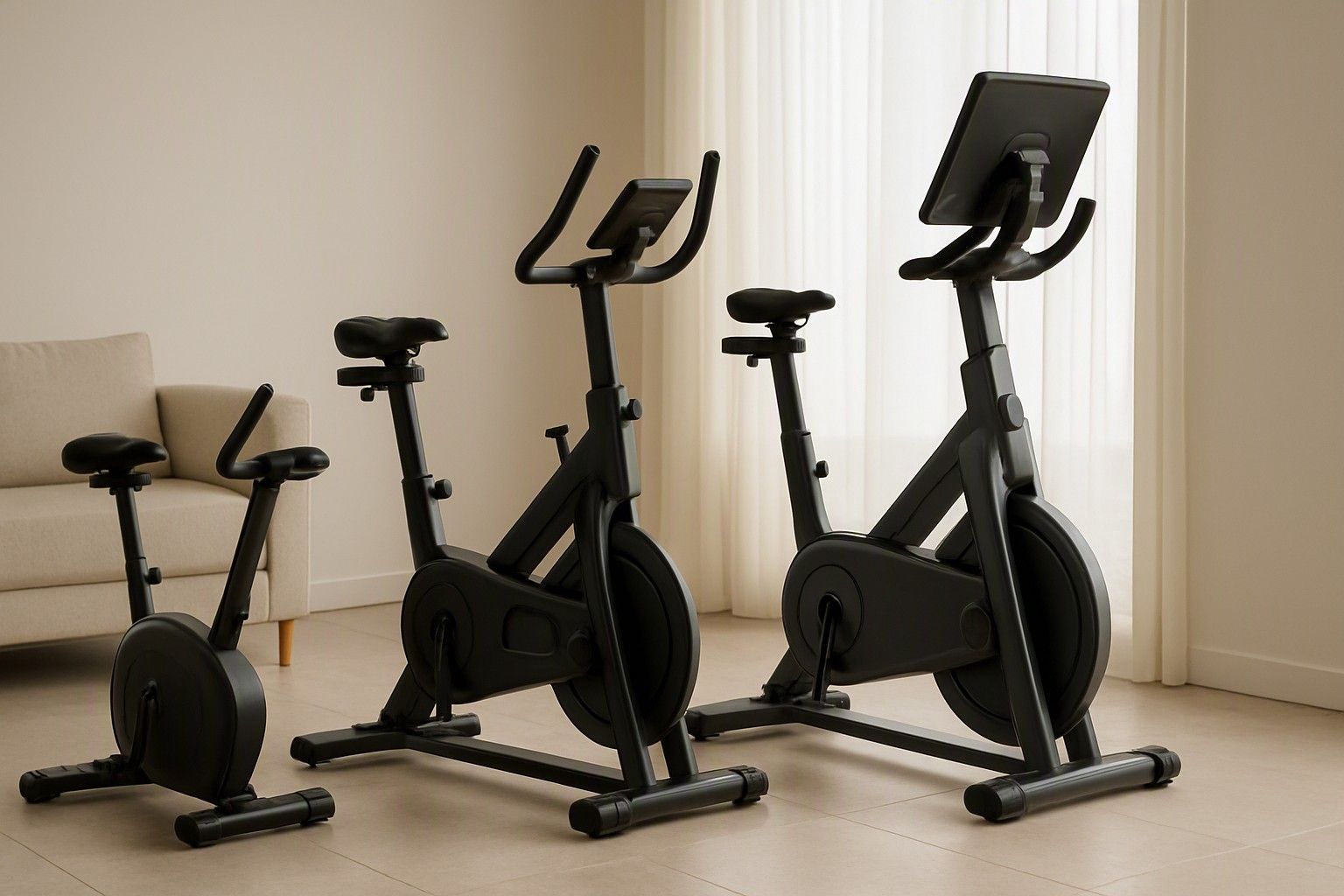
If you are wondering how much an exercise bike should cost in India and whether the price on your screen is reasonable, this article is for you. It walks through three budget tiers and the premium range above them, and explains what build quality, resistance type and features each one realistically delivers. By the end you should be able to place any listing against what the category normally costs and decide with confidence.
What Exercise Bikes Cost in India: ₹3,500 to ₹50,000
Exercise bikes in India are listed from ₹3,500 to ₹50,000, with a category average of ₹12,000. That spread is wide because several things change together as the price rises: the resistance mechanism, the weight of the flywheel, the strength of the frame, how far the seat and handlebar adjust, and how much the console does.
The average sits much closer to the bottom of the range than the top. Most buying therefore happens in the lower and middle bands, and the expensive end is a smaller, specialised slice. This article uses three tiers: ₹4,000, ₹12,000 and ₹30,000. Anything above that is treated separately.
A few Indian realities shape what is worth paying for. Most buyers use the bike in a bedroom or living room, so noise matters. Floor space is limited, so footprint matters. Many people also depend on a service technician being reachable in their city, which a very cheap listing often cannot promise. Keep these three points in mind as you read each tier, because they explain why a higher price often buys something you will notice every day.
₹4,000: Basic Friction Bikes and Their Limits
At ₹4,000 you are almost always buying a friction bike, where a felt pad presses against the flywheel and a knob changes the pressure. It is the simplest mechanism, which is why it is the cheapest.
The limits show up with regular use. Felt pads wear down and need replacing, and the braking can grow noisier or grabbier as they do. Resistance changes in coarse steps rather than smoothly. The flywheel is light, so the pedal stroke can feel jerky. Frames are thinner, so expect more wobble when you pedal hard or stand up. Consoles are usually basic, showing time and a rough count, and the seat and handlebar offer little adjustment.
This tier makes sense for light, occasional pedalling, for older family members who want gentle movement, or for someone testing whether they will actually stick with an exercise habit. It is not a good fit if you plan to ride most days, if you are tall or heavier, or if the bike will sit in a room where others are sleeping or working. Buy here only if your use matches these limits, and check the stated user weight limit before you commit.
₹12,000: Magnetic Bikes for Everyday Home Use
Magnetic bikes begin to dominate at ₹12,000, and this is the tier where most households find a sensible balance. Magnets sit near the flywheel and change resistance without touching it, so there is no pad to wear out. If you want the details, here is what magnetic resistance adds over felt-pad braking: quieter running, smoother resistance changes and less maintenance.
Quiet operation is the biggest day-to-day gain in a flat where family members are sleeping, working or watching television nearby. You can also expect a steadier frame than in the lowest tier, better seat and handlebar adjustment, and a console that tracks time, distance and approximate calories. Treat those calorie numbers as rough guides rather than measurements.
The limits are still real. Flywheels here are modest, so the pedalling feel is smoother than friction but not as fluid as in heavier bikes. Resistance may also run out for a fitter rider who wants hard efforts. The category average of ₹12,000 sits right where this tier ends, which tells you this band covers what a typical Indian home buyer ends up spending. For regular, moderate use, it is usually enough.
₹30,000: Heavy Flywheels, Recumbents and Smart Features
Moving into ₹30,000 changes how the bike feels rather than simply adding extras. Heavier flywheels carry momentum through each pedal stroke, so the ride is smoother and more consistent, especially at higher resistance. Frames are sturdier and adjustments are wider, which helps taller riders and homes where several people share one bike.
This is also where recumbent bikes appear. They have a seat with back support and a reclined position, which many people with back or knee discomfort, or those recovering from a long break, find far easier to sit on than an upright bike. If comfort is your main reason for buying, this tier deserves a close look.
Smart features start showing up here too: app connectivity, preset programs and better consoles. Check what each one really needs. Some depend on a phone and an app, and some features may be limited without one. Ask yourself whether you will actually follow guided programs. If you won't, put the money into the flywheel, frame and seat, which affect every ride, rather than a console you will rarely use.
Above ₹30,000: Who Needs a Premium Bike Up to ₹50,000
Past ₹30,000, prices climb towards ₹50,000, and the extra spend is justified only for specific needs. Premium bikes are built for heavy, frequent use: very stable frames, high resistance ceilings, finely adjustable fit and consoles designed for structured training.
They suit a few kinds of buyers. Serious cyclists who train most days and want high resistance will feel the difference. Households where several people of different heights and builds share one bike benefit from the wider fit range and sturdier build. Buyers who need a very stable, comfortable setup for long sessions, including for rehabilitation, may also find the cost worthwhile.
For a typical home user riding a few times a week, this tier is usually more bike than needed. The risk is paying for capability you never reach, while a well-built bike in the tier below would serve you equally well. If you do consider something here, check warranty terms and whether service support is available in your city. At this price, a bike that cannot be repaired quickly loses much of its value.
Judging a Listed Price Against the ₹12,000 Category Average
Start by identifying what kind of bike the listing actually is. Look at the resistance type, how heavy the flywheel is claimed to be, the stated user weight limit and the adjustments on offer. Then match it to a tier. A price near the category average of ₹12,000 should buy a magnetic bike with a decent frame and sensible adjustability. If a listing near or above that figure is still a basic friction bike with a thin spec sheet, you are paying more than the category normally asks for what you get.
The other direction needs care as well. ₹3,500 is the lowest price in this category, so a listing priced well below what similar bikes sell for deserves scrutiny rather than excitement. Read the warning signs that a cheap listing is cutting corners, such as vague specs, no stated weight limit or unclear warranty and service terms.
A fair price is one that matches the bike's tier and your intended use. If it does, you have enough information to buy now. Comparing against the typical cost of the category is a way to decide with confidence today, not a reason to hold off.
Spending Where It Counts
Across every tier, a few things deserve your money first. Put resistance type at the top, because magnetic over friction changes noise and upkeep every day. Next comes frame stability and a realistic weight limit, since a wobbling bike gets abandoned. Then check seat and handlebar fit for the people who will ride it. Finally, confirm that warranty and service are real in your city, not just printed on the listing.
Consoles, app features and extra accessories can wait or be skipped entirely. They add cost without improving the ride. Before you pay, run through the specs and space checks that matter at any budget, including measuring the spot where the bike will sit, so the one you choose fits your room as well as your budget.
So, how much should you spend? Match the tier to how often you will ride and who will ride, then judge any listing against what that tier normally delivers and the category average. For most Indian homes, the middle tier covers everyday use, while the tiers above it are for heavier use or specific comfort needs. With that in hand, you can look at the price in front of you and decide now.

Comments
Be the first to comment.