Disc vs Digital Edition: How Indian Broadband and Game Resale Change the Choice
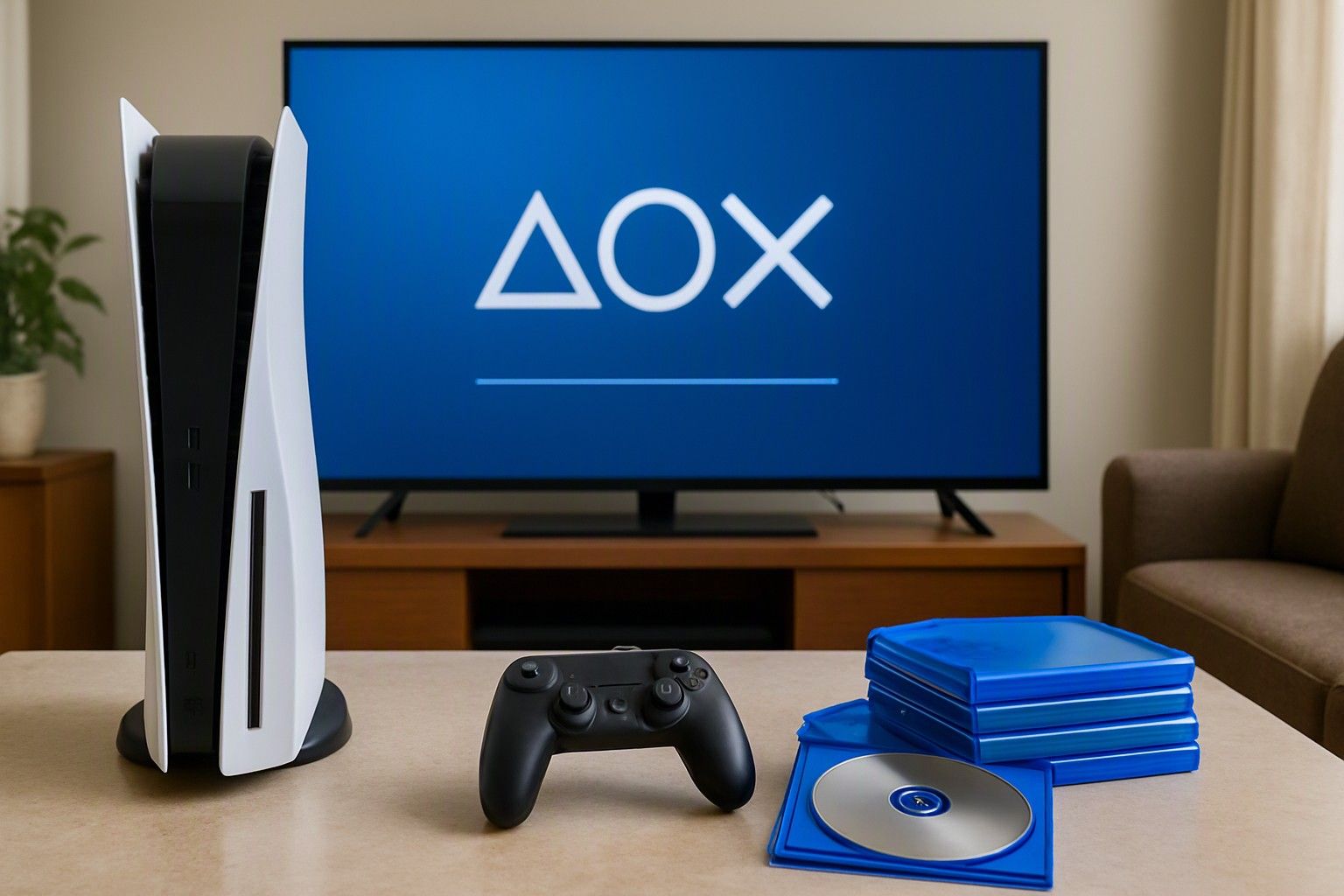
If you are choosing between a disc console and a digital-only one, the real question in India is whether the lower upfront price of the digital edition survives contact with your internet plan and your game-buying habits. This article is for you if your broadband has a data cap, if you like the idea of buying pre-owned discs or swapping games, or if you simply want to know what the extra money for a disc drive actually buys. The short version: the answer depends far more on your connection and how you buy games than on the console itself.
The Upfront Price Gap Between Editions
The digital edition is the cheaper box at the shelf, and for many buyers that is where the decision starts and ends. Consoles in this category run from ₹25,000 to ₹65,000, with an average gaming console price of ₹40,000, and the disc-less version is the usual way to trim the entry cost. Depending on where a model sits, that saving can be the difference between staying in the ₹40,000 tier and stepping up into ₹60,000.
The saving is real, but it is only a starting figure. A digital-only console cannot play a disc you borrow, buy second-hand or receive as a gift, so part of the discount is paid back through how you can buy games. If you later add a separate disc drive, which some digital editions allow, you end up paying for the drive on top. That can erase most of the original gap.
Treat the price difference as a bet on how you will buy games for the next few years. If you know you will buy everything from the online store, you keep the saving. If you are unsure, check where each edition lands across the price bands and compare it against the games you actually plan to play.
Pre-Owned Game Discs: Resale and Exchange in Indian Cities
Resale is the single biggest advantage a disc has in India. A game you have finished can be sold, exchanged at a local game shop, listed on an online classifieds platform, or handed to a friend. In larger cities there are usually dedicated shops that deal in pre-owned discs. Smaller towns often rely on online listings and courier, which is slower and carries some risk of a scratched or mislabelled disc.
A digital purchase is tied to your account. Once you buy it, you cannot sell it, lend it or trade it in, and the money is gone for good. For a buyer who plays a story-driven game once and moves on, that matters, because recovering part of the cost through resale effectively lowers what the game cost you.
There are caveats. Pre-owned prices depend on demand, and a popular game keeps its value far better than a niche one. Always check the disc condition before you pay and confirm the game is not locked to another account or an online pass. Also, a disc game still installs to the console's storage and often needs a patch download. The disc gives you ownership and resale, not freedom from the internet.
If you buy a handful of games a year and finish most of them, the resale loop can pay for a good part of the disc drive.
Download Sizes vs Indian Broadband Speeds and FUP Limits
Large modern games often run to tens of gigabytes, and some go past a hundred once patches are added. Whether that is a minor chore or a real problem depends on your connection.
The arithmetic is simple. A 100 GB game on a connection that sustains 100 Mbps takes a little over two hours at full speed. On a slower plan, or one that is shared across a busy household in the evening, the same download can stretch across a full day. Many Indian broadband plans also carry a monthly data cap or a fair usage policy (FUP), after which speeds drop sharply or the plan needs a top-up. A single large download can use a big share of that allowance, and a second one can push you past it.
Mobile hotspots and shared building connections make this harder still, because speeds fluctuate and caps are tighter.
A digital-first buyer should therefore check three things: the actual speed they get at the hours they play, the monthly data allowance, and whether the plan has unlimited data without a throttle. If any of these is weak, a disc helps. It does not remove patch downloads, but it moves the bulk of the data from your plan to the disc in the box, which can be the difference between playing tonight and waiting until the weekend.
Digital Store Sales vs Physical Game Prices
Online stores run discounts from time to time, and physical sellers price games independently, so the same title can cost different amounts across formats. That is useful to know, but it should not become a reason to hold off buying. Prices and offers change without warning, and the sensible approach is to compare what a game costs in both formats on the day you want to play it, then buy from whichever is cheaper.
Digital buying has a few practical benefits. The game is available immediately, nothing sits on a shelf, and your whole library stays attached to your account. Its weaknesses are the lack of resale and the fact that you can only buy from one store, so there is no shopping around.
Physical buying lets you compare retailers and take advantage of pre-owned stock, which often undercuts the digital price on older titles. It also lets you lend a game to a friend. The trade-off is that you are reliant on stock availability and delivery, and the disc must be in the drive when you play on some setups.
Add subscription services to the picture and the maths changes again. For a clearer view of the long-run spend on games across both formats, it helps to count the games you will realistically buy, rather than the discounts you hope to catch.
Detachable Disc Drives and Upgrading Later
Some digital editions are designed so that a disc drive can be attached later. If your console supports it, buying digital now does not lock you out of discs forever. You can start with the cheaper unit and add the drive when you find yourself wanting pre-owned games.
There are two points to check before relying on this. First, confirm that the specific model you are considering is compatible with a separate drive, because not every digital edition is. Second, factor in the price of the drive. It is a separate purchase, and once you add it, the total can match or exceed what a disc edition would have cost at the start. The upgrade route is a way to spread the cost and defer the decision, not a free option.
It can also be a hassle. A detachable drive sits on the side of the console, needs its own connection and may need pairing with your console before it works.
The approach suits someone who is undecided: buy the digital edition if the price difference is meaningful today, and accept that adding a drive later is possible if your habits change. If you already know you want discs, buying the disc edition outright is cleaner.
Storage Fill-Up on Digital-Only Consoles
A digital-only console stores every game you own on its internal drive, and that drive fills up faster than most first-time buyers expect. A few large games can take most of the space, leaving little room for patches, captured video and new releases.
When the drive is full you have three choices. You can delete a game and download it again later, which costs data and time, and matters on a capped plan. You can add external storage, if the console supports it, which is an extra cost. Or you can keep your library small and rotate titles.
Disc owners face the same limit, since discs also install to internal storage. The difference is how they recover. A disc game can be reinstalled from the disc, so only the patches need to be downloaded again, which is a much smaller hit on your data allowance. A digital game has to be fetched in full again.
If you play many different games and prefer to keep them installed, plan for extra storage whichever edition you buy. If you play one or two games at a time and delete them when done, internal storage is usually enough, and the digital edition's constraint is less painful.
Which Edition Fits Your Connection and Play Habits
Here is how the pieces fit together.
Choose the digital edition if:
- Your broadband is fast, stable and either unlimited or has a generous monthly allowance.
- You buy most games from the online store and rarely sell or lend them.
- You play a small number of titles at a time and are comfortable deleting and re-downloading.
- The saving at purchase keeps you inside a tier you are comfortable with.
Choose the disc edition if:
- Your connection is slow, shared or capped, and large downloads are a problem.
- You like buying pre-owned games, exchanging at local shops, or lending to friends.
- You finish games and want to recover part of the cost through resale.
- You would rather pay once for the drive than risk buying it separately later.
If you sit between the two, the detachable drive route lets you start digital and change course, as long as you have confirmed compatibility and accounted for the drive's price. Check your actual internet speed and data allowance before anything else, because that is the factor most likely to decide this for you. For the full set of factors that shape your console pick, including budget, library and accessories, the main buying guide covers the rest.
So, is the digital edition of branded gaming console worth it in India? It is if your connection is fast and uncapped and you are happy to buy everything from one store. The disc edition is worth the extra money if your data is limited or you want to resell, exchange or lend games. Check your plan's speed and allowance, think honestly about how you buy games, and you can make the call today.

Comments
Be the first to comment.