How to Choose the Right Kitchen Chimney for an Indian Kitchen
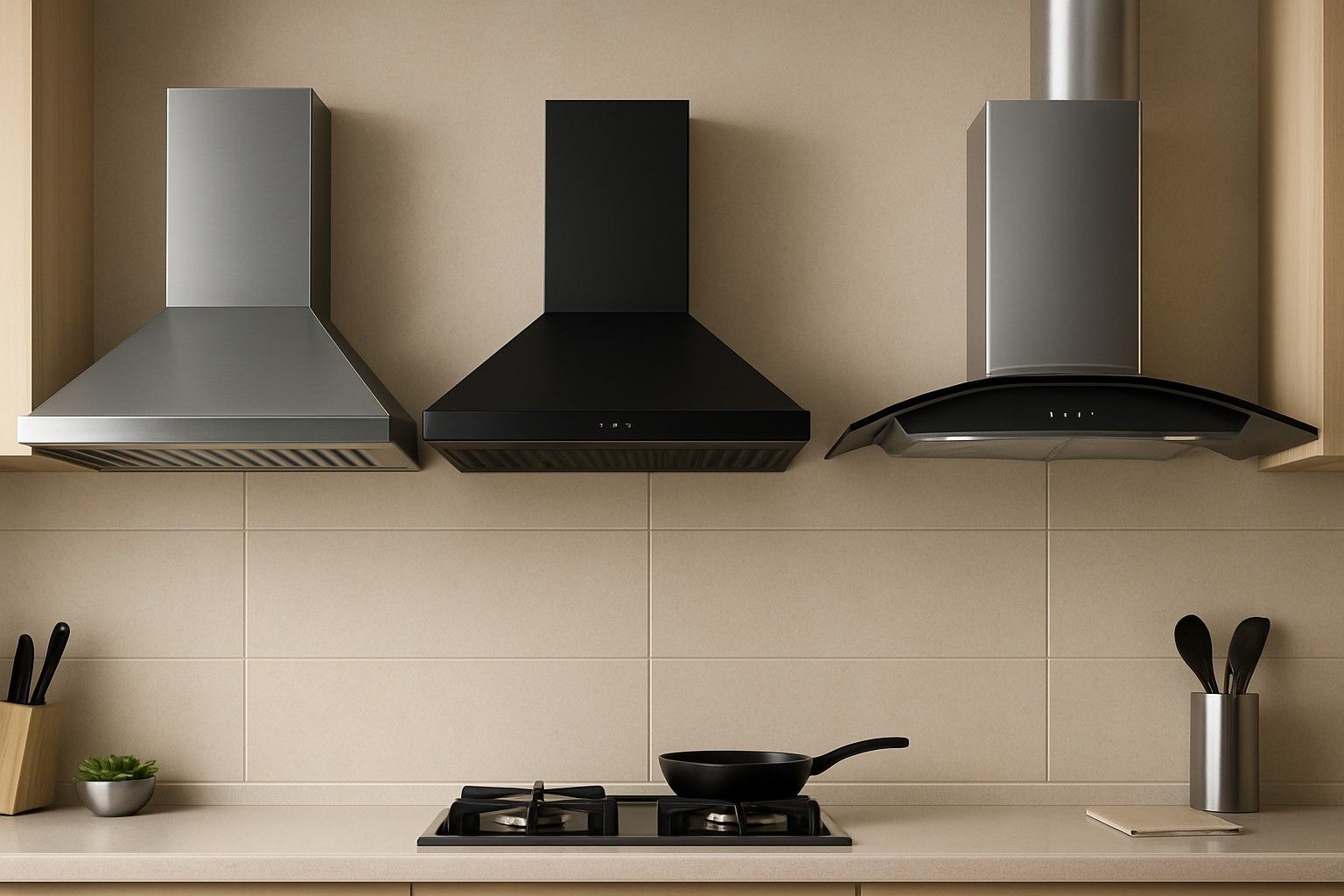
A kitchen chimney is one of the few appliances where the right pick depends almost entirely on how you cook and where you live, not on the brand on the box. Indian kitchens throw a lot at a chimney — daily tadka, deep frying, heavy masala gravies — and a unit that suits a small rented flat is rarely the same one that suits an open kitchen with a wide hob. Before you look at any listing, it helps to know which factors actually move the decision: the venting type your building allows, the size and suction your cooking needs, the filter that survives oily air, plus noise, installation, upkeep and price. This guide lays out each of those choices and points you to a detailed breakdown for every one. Work through them in order and you'll know exactly what to look for by the time you're comparing real models.
Ducted or Ductless: Which Works for Your Kitchen Layout?
The first fork in the road is how the chimney gets smoke out — through a duct to the outside, or by recirculating filtered air back into the room. What often surprises buyers is that the building's structure, not the price difference, tends to settle it, since one type simply can't be fitted in some flats. If you're weighing the two, read how ducted and ductless chimneys actually differ for Indian kitchens to see where each one falls short and which fits your kitchen without guesswork.
Getting the Size and Suction Right for Indian Cooking
Once venting is sorted, two specs decide whether the chimney can actually keep up: its width and its suction rating. The choice usually comes down to a 60 cm versus 90 cm body and whether something around 1000 m³/hr is enough for your hob — and getting this pairing wrong is the most common reason a good-looking unit disappoints. Start from your hob width and how much you fry, then match the size and suction power to how much you fry and tadka rather than trusting brand numbers alone.
Filter Types and Which One Suits Heavy Indian Frying
For anyone doing daily tempering and oil-heavy cooking, the filter design matters more than nearly any other spec. Baffle, mesh and filterless units each handle airborne grease in their own way, and the wrong one leaves you either cleaning constantly or watching suction fade within a few months. To pick a design that survives the way you cook, understand which filter type handles oily Indian cooking best before you commit.
How Noise Levels Affect Open Kitchens and Small Flats
Noise gets ignored until the chimney is running full blast in a flat with nowhere for the sound to go. In an open kitchen that flows into the living room, the decibel figure on the spec sheet counts for as much as suction does. Since those numbers rarely mean much on their own, check how loud different chimneys get before you buy to judge whether a model will overwhelm your layout.
Installation Realities in Indian Homes and Rented Flats
Fitting a chimney is not always as simple as mounting it above the hob, especially when you don't own the walls. Three things tend to complicate it: setting the correct height for suction to work, finding a workable duct route in an apartment, and doing all of it in a rented home. Know what you're in for by reading what installation involves in a typical Indian kitchen well before the delivery arrives.
Cleaning, Auto-Clean and Long-Term Upkeep
Grease builds up quickly in Indian kitchens, so the real question isn't whether you'll clean the chimney but how much time and money it'll cost over the years. That's where the auto-clean label comes in — and deciding whether it's worth the premium takes a clear look at the trade-off. For a grounded view of the ongoing effort, see the real ongoing maintenance a chimney needs in India.
What You Should Pay: Price Tiers and Today's Value
Chimney prices in India stretch from ₹2,999 to ₹45,990, and knowing what each band buys is what separates a confident purchase from a hopeful one. The trick is reading a listing against its own price history instead of a vague feeling that it's too dear or too cheap. Once you know the tiers, you can figure out whether today's chimney price is actually good and buy with certainty.
Chimney vs Exhaust Fan: Do You Even Need a Chimney?
Some kitchens genuinely don't need a chimney at all — the exhaust fan already in the wall may be doing enough. It comes down to how oily and masala-heavy your cooking is and how often the tawa sits on a high flame, not to what's fashionable. Before spending on either, work out whether a chimney or a simple exhaust fan is enough for you based on your own cooking.
That's the full shape of the decision — venting, size and suction, filters, noise, installation, upkeep, price and whether you even need a chimney at all. Each of these has its own detailed breakdown linked above, so you can dig into the ones that matter for your kitchen and skip the rest. Work through them and you'll be choosing from a position of knowing exactly what fits your home, not reacting to a shop-floor pitch.

Comments
Be the first to comment.