Things to Check Before Buying a Recliner for an Indian Home: Mechanism, Upholstery and Room Fit
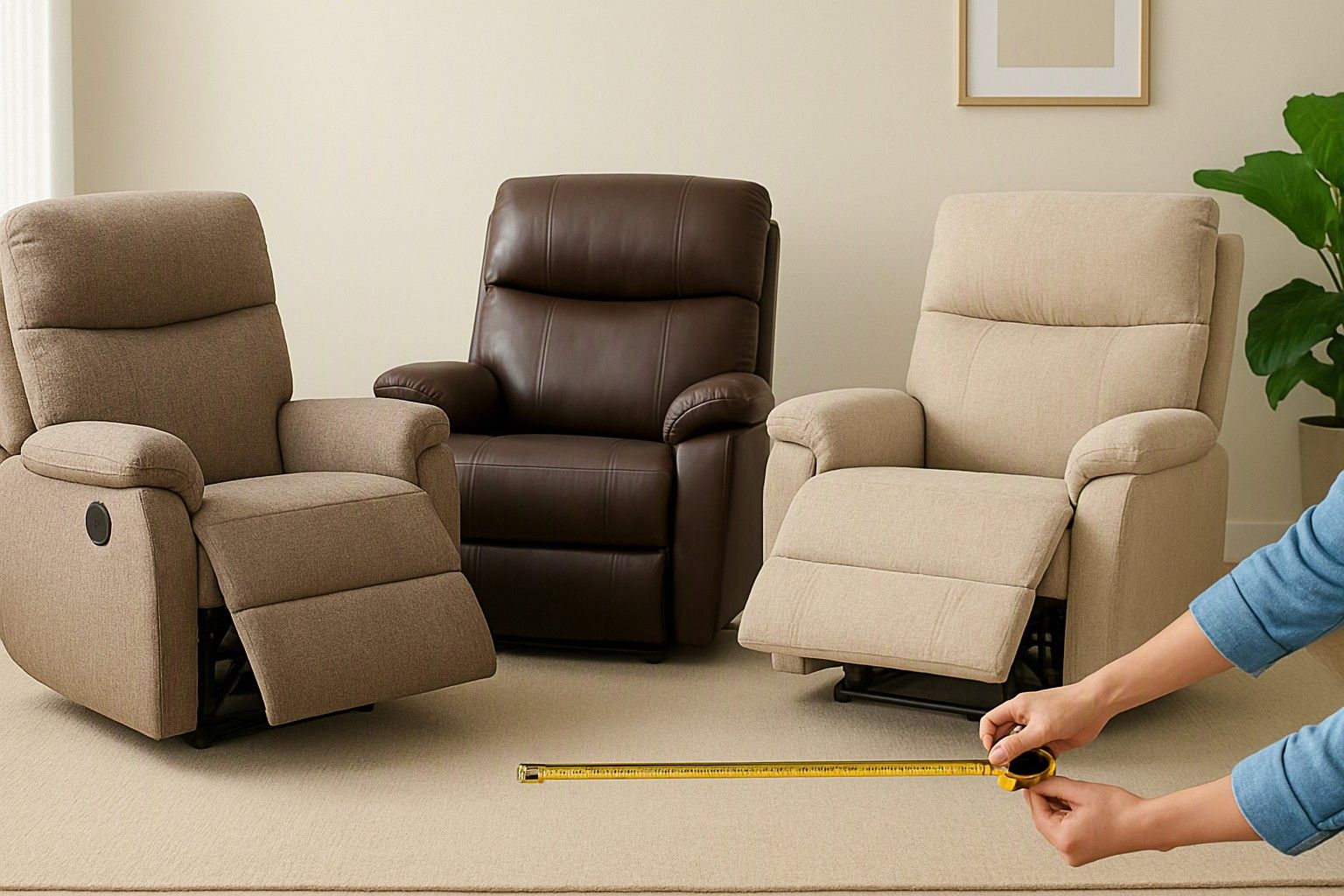
A recliner can be the most comfortable seat in an Indian home for years. It can also become the one that peels in the first humid summer, sags in the middle, or blocks the walkway every time someone leans back. The difference usually comes down to a handful of decisions made before payment: whether to recline at all, how the chair moves, how much room it needs, what it is covered in and how well it is built. This guide walks through each of those choices, plus buying for older parents, judging a fair price and looking after the chair once it arrives, and points you to a detailed article for every step.
Recliner or Regular Sofa: Is Reclining Worth It for Your Living Room?
Before comparing mechanisms, settle whether you need reclining at all. The answer hinges on how many people use the seat daily and how much floor space you can give up. A recliner is the more comfortable choice for one person stretching out, whereas a fixed sofa seats a family more easily, has nothing mechanical to break and takes up less room. Use this guide to compare a recliner against a fixed sofa on space, comfort and upkeep before you shortlist any model.
Manual or Motorized: Choosing How Your Recliner Moves
A motor sounds like an easy upgrade, but it earns its extra cost mainly when a family member finds pushing back or pulling a lever difficult. It also needs a backup arrangement for when the electricity goes off, which matters in areas with frequent interruptions. For able-bodied buyers watching their spend, a sturdy manual mechanism is usually the lower-risk pick. Weigh the pros and cons of lever versus motor operation in Indian homes before deciding.
Measuring Your Room and Picking a Seater Count
Product photos rarely show how much floor a recliner claims once it tilts back. The reliable approach is to take three readings: the chair sitting up, the chair stretched out to its limit, and the clearance needed to walk past it. Wall-hugger designs can make a recliner workable in a compact flat where a standard one would not fit. This guide helps you measure your room and settle on single, two or three seats.
Upholstery That Survives Indian Heat, Sweat and Humidity
Material choice decides how a recliner feels on a sticky monsoon afternoon. Fabric breathes better against sweaty skin and suits people who sit for hours at a stretch, while a quality leatherette cleans up with a quick wipe and performs best in rooms where the AC runs. Each has its own failure points, so read up on how leatherette, fabric and leather cope with humid summers before picking a finish for your city.
Frame, Foam and Mechanism: Where Recliners Fail First
Most recliners that disappoint do so through parts you cannot see: the frame, the foam and the reclining hardware. A lever that sticks, joints that start to squeak and seats that flatten with regular use are hard to judge from a photo. A short hands-on trial and a few pointed questions usually expose them, though. Use this checklist to test a recliner's frame and mechanism in the showroom, and apply the same questions to an online listing.
Buying for Elderly Family Members
For a parent with stiff knees or a sore back, rising from the seat matters more than how far it tilts. That shifts the priorities to controls simple enough to use without help, a seat set at a comfortable height and the right type of mechanism. Read about the lift-assist and seat-height features that help older parents to choose a type first and shortlist individual models afterwards.
What a Fair Price Looks Like Between ₹7,500 and ₹60,000
Recliners in India run from ₹7,500 to ₹60,000, with the typical piece around ₹18,000. The bands most buyers shop in are ₹10,000, ₹20,000 and ₹35,000, and each buys a different mix of upholstery, seat count, mechanism and frame. Knowing that mix lets you judge a quote on its merits and buy with confidence now. Go through the tiers to check what each budget tier realistically buys.
Care, Repairs and Warranty After Delivery
Ownership is where a recliner either keeps gliding or starts to stick. Strong sun, household dust, long AC hours and monsoon damp all change how it ages in an Indian home. This article explains how to keep a recliner reclining smoothly for years, what to do when something breaks, and which repairs a warranty will cover.
You now have the full route from first question to long-term ownership: whether reclining suits your room, how the chair should move, what size and cover to choose, how to check its build, what to pay and how to look after it. Work through the steps that apply to your household, open the detailed guides where you need more depth, and you can walk into a showroom or open a listing knowing exactly what to look for in recliner of any brand.

Comments
Be the first to comment.