What a Recliner Should Cost in India: Price Tiers From ₹7,500 to ₹60,000
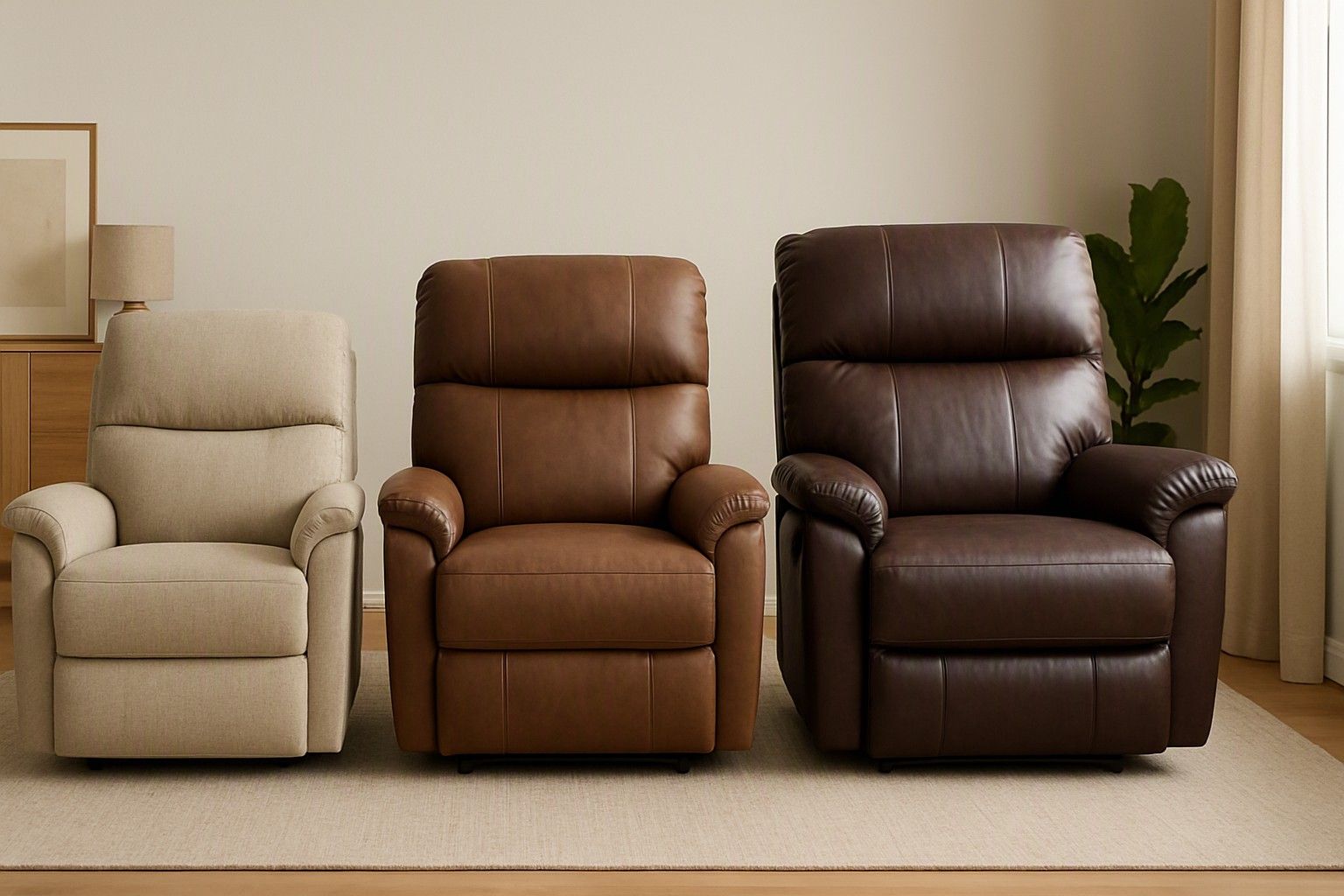
If you have a budget in mind and want to know what a recliner at that price should actually look like in India, this article is for you. It walks through each price band, shows what the money pays for in frame, mechanism, upholstery and seating, and gives you a way to test whether the quote in front of you is fair today.
How Recliner Prices Spread From ₹7,500 to ₹60,000
Recliners in India start at ₹7,500 and run up to ₹60,000, and the average sits at ₹18,000. That is a wide spread, and it exists because a recliner is several products in one: a frame, a reclining mechanism, cushioning, upholstery and, at higher prices, powered controls and extra comfort features. Each of these can be built cheaply or carefully, and the cost compounds.
The market clusters into three working tiers: ₹10,000, ₹20,000 and ₹35,000. Anything beyond the third tier is premium recliner range in India, running up to ₹60,000.
The tiers matter because the jump in quality between them is not even. Moving up from the entry band usually fixes the most visible weaknesses, such as thin padding and flimsy mechanisms. The steps after that buy refinement, convenience and durability, which are real but easier to overpay for. Knowing where each band sits lets you judge a quoted price against the build rather than against the size of the number.
What ₹10,000 Realistically Buys
At this level you are buying a functional recliner, usually a single-seater with a manual lever or push-back action. Expect a lighter frame, often with a mix of engineered wood and thin metal, and foam that feels soft in the showroom but compresses faster with daily use. Upholstery is typically basic leatherette or a light fabric.
This tier works for occasional use: a guest room, a reading corner, or a first recliner for someone who wants to try the format. It is a sensible choice if the chair will be used for an hour or two a day and the person sitting in it is of average build.
The weak points are predictable. The mechanism is the first thing to loosen, so test the recline for smoothness and wobble before committing. Check that the footrest locks firmly in each position and that the frame does not flex when you shift your weight. Cheaper leatherette can also peel sooner in Indian heat and humidity.
If a price in this band comes with claims of heavy-duty build or premium feel, be sceptical. Here you are paying for the basic recline function, and a good unit does that reliably.
What ₹20,000 Adds
This is where most buyers should start looking seriously, and it is where the average of ₹18,000 falls. The step up from the entry band shows in the parts you cannot see at first glance: a sturdier frame, a mechanism that moves more smoothly and holds its position, and denser, better-wrapped cushioning that keeps its shape longer.
Upholstery choices also widen. You will find the leatherette and fabric grades common in this band, and the difference between a decent grade and a poor one decides how the chair copes with summer sweat, monsoon humidity and daily wear. Ask what the covering is rather than accepting a generic label like "premium leather look".
You also start to see more variety in format, including wider single-seaters, rocker or swivel options, and sometimes compact two-seater models toward the upper end of the band.
For daily use, such as TV watching, afternoon rest or a parent's regular chair, this tier usually gives the best balance of durability and cost. The gap you are paying for compared to the entry tier is mostly longevity, so it pays off if the chair will be used every day.
What ₹35,000 Gets You
Prices in this band pay for comfort that you notice over long sittings and for features that go beyond the basic recline. Frames tend to be more robust, cushioning is deeper and more supportive, and the finish on stitching and trim looks more deliberate. Larger seats and better back and headrest support also appear here, which matters for taller or heavier users.
This is also the band where powered reclining becomes common. If you are weighing whether motorized reclining justifies the step up, the practical test is who will use the chair. For an elderly family member or someone with limited strength or mobility, a button instead of a lever can matter a great deal. For a healthy adult, a good manual mechanism often serves just as well and has fewer parts that can fail.
Extras such as adjustable headrests, built-in storage or cup holders can add to the price without improving the core seating, so separate what you will use from what looks impressive. Before you pay for a feature, ask what happens if it stops working, and how easily service is available in your city.
Above ₹35,000: When Premium Pricing Is Earned
Past the third tier, prices climb toward ₹60,000, and the question changes from what you get to whether you need it. Premium pricing is earned when it shows up in things you can verify: a heavier, better-engineered frame, a mechanism built for years of daily use, higher-grade upholstery, and thoughtful ergonomics such as proper lumbar and neck support. Larger multi-seat units and fully powered models with several adjustments also live here.
It is justified for people who will spend long hours in the chair, for households where one recliner is the main seat, or for those who need specific support because of age, back trouble or body size. In these cases a better chair is a long-term purchase, not a luxury.
It is not justified when the extra money goes into branding, showroom styling or a longer feature list you will not touch. Ask to see how the frame is built, what the upholstery is made of and what the service arrangement looks like. If a seller cannot answer clearly, the premium is probably paying for the label.
Is the Price in Front of You Fair? Using ₹18,000 as a Benchmark
Use ₹18,000 as a reference point, not a target. It sits inside ₹20,000, which is the band where most buyers get a sound daily-use chair, so it is a reasonable anchor for judging whether a quote is high, low or in line.
If a price is near the average, check that the build matches what that band should deliver: a firm frame with no flex, a smooth and quiet mechanism, supportive foam and an upholstery grade the seller can name. If a price is well below the average, accept that it is an entry-level chair and judge it as one, with extra attention to the mechanism and frame. If a price is well above the average, look for specific reasons such as motorization, larger seating, or noticeably better materials.
A fair price is one where each rupee above the entry tier points to something you can see, sit on or test. Sit in the chair for several minutes, recline fully and return upright a few times, and push on the arms and frame. A quote that holds up under these checks is fair for what it is, and you can buy it with confidence now rather than hold out for a different number.
Matching Your Budget to What You Actually Need
Start from how the chair will be used, then pick the tier that covers it. For occasional or guest use, ₹10,000 is enough if you test the mechanism carefully. For a regular chair that someone uses daily, ₹20,000 is the sensible starting point. For long sittings, larger users, or a person who benefits from powered reclining, ₹35,000 is where the comfort and convenience start to justify themselves. Go beyond that only when you can name the specific benefit you are paying for.
Budget is one of several choices, alongside seat size, room space, upholstery and mechanism type. When you are ready to line up your budget against the rest of the recliner choices, the buying guide covers each of them in order so that the tier you pick fits the chair you actually need.
You now have a practical way to read any recliner quote: know which tier it falls in, know what that tier should deliver, and check the build against that. With the range from ₹7,500 to ₹60,000 mapped out and ₹18,000 as a benchmark, you can decide at today's price whether the chair in front of you earns what it is asking.

Comments
Be the first to comment.