How to Choose the Right Water Purifier for Your Home
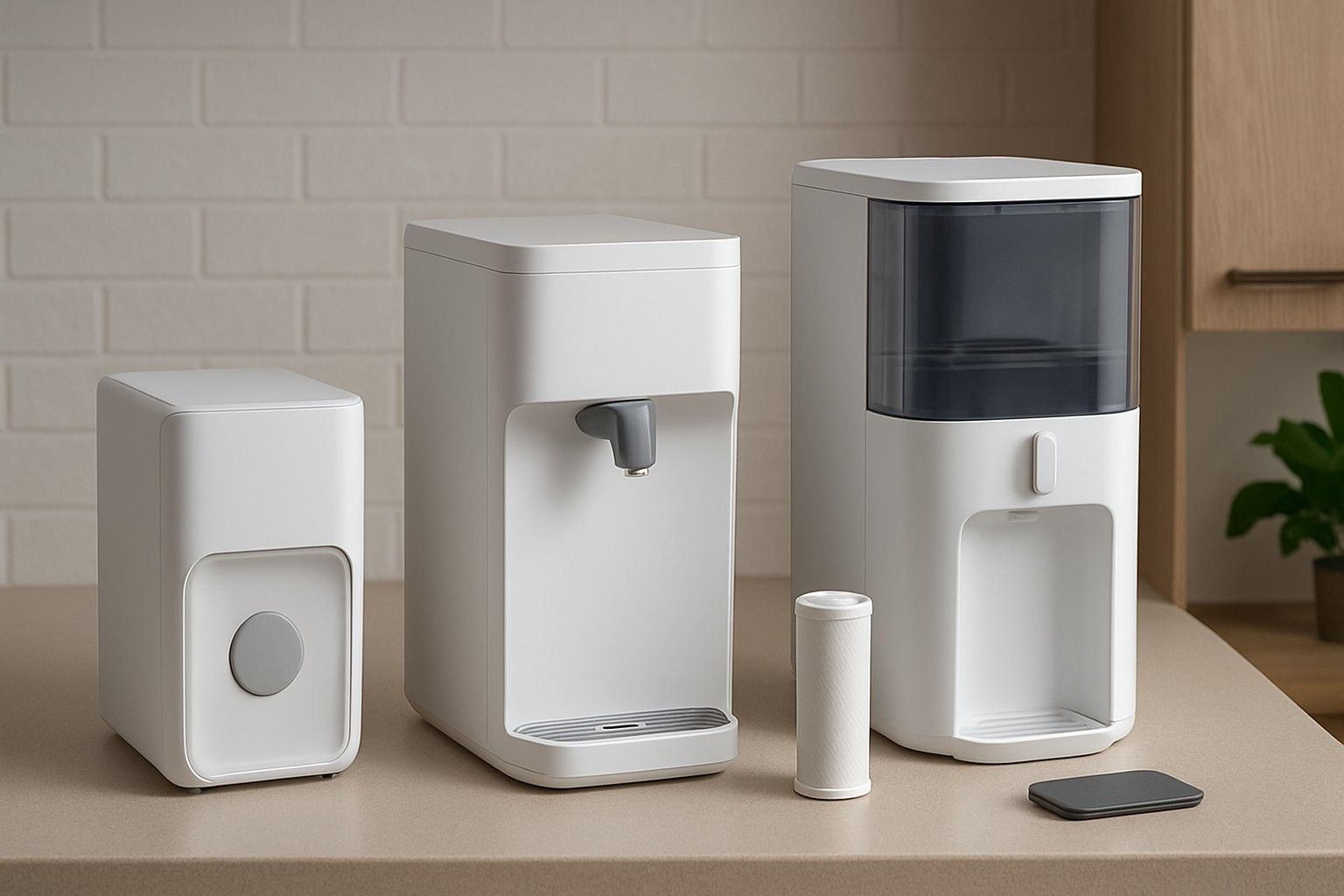
Buying a water purifier in India isn't one decision — it's a chain of them, and getting the first one wrong makes every later choice more expensive. Your water source dictates the technology, the technology influences the capacity and price, and the price you pay upfront is only part of what the machine costs to run each year. This guide lays out that full chain in order, so you can move from "I need a purifier" to a specific, confident pick without second-guessing. Each step below points to a detailed breakdown when you want to go deeper on that one question.
Why Your Water Source Decides Everything
Everything downstream depends on what actually flows from your tap, so this is where the process starts. Before comparing any model, you need three things about your supply: its TDS reading, how hard it runs, and its origin. Skip that groundwork and you risk buying an RO that's over-fighting clean water, or a light filter that can't cope with what your borewell throws at it. Start by learning how to test whether your tap water is hard, borewell or municipal supply so the rest of your shortlist is built on real numbers.
RO, UV, UF and Gravity: Which Purification Technology Fits Your Water
Once you know your water, the next fork is the technology behind the machine. RO, UV, UF and gravity purifiers each remove a different set of problems, and they aren't swappable — pick wrong and you either overpay for treatment you'll never use or leave real contaminants in the glass. This guide explains what each method strips out, what it lets through, and how to pair the right one (or a combination) to your supply. Take a few minutes to understand how RO, UV and UF actually differ before you narrow down models.
Sizing the Storage Tank for Your Household
Tank size is less about buying big and more about matching a number to how your home actually uses water. The right capacity depends on how much your family draws between refills and how often your area loses power — not on whatever the largest display model suggests. Oversize it and you're paying for plastic that sits half-empty; undersize it and you're waiting on refills during a cut. Here's how to work out the right storage capacity for your family based on household size and grid reliability.
What You Should Spend at Each Budget Level
Purifier prices in India stretch from ₹1,799 to ₹38,990, with the average landing around ₹9,499 — and the tag alone rarely tells you what's inside. This breakdown maps what genuinely changes as you climb the budget ladder, why the average sits where it does, and how to spot a price that's fair versus one dressed up to look like value. Use it to see what features you actually get at each price band instead of guessing from the number on the listing.
Certifications and Safety Checks Before You Pay
That "certified" sticker on a purifier is worth exactly as much as the body behind it — and India's market mixes genuine certifications with vague or invented ones. Sorting the real badges from the marketing language takes only a few minutes once you know what to check. This guide covers which certifications hold weight, which claims to disregard, and the checks that keep protecting you after you've paid. Run through it to confirm the certifications a genuine purifier must carry before money changes hands.
Filter Replacement and Running Costs You Will Pay Every Year
The purchase price is only the opening cost — filters, membranes and servicing keep the meter running long after the box is opened. Whether ownership feels worth it often comes down to these recurring numbers, not the sticker. This guide puts the annual spend in plain rupee terms so there are no surprises a year in. Work through it to estimate the yearly filter and maintenance spend before you commit to a particular type.
Installation, Wall Space and Water Pressure Requirements
A purifier that fits your budget still has to fit your kitchen. Wall space, incoming water pressure, a drain point and a nearby power socket all decide whether install day is quick or turns into a small project. If you've shortlisted a model and just want to be sure it'll mount and run where you plan to put it, this guide covers what to arrange in advance. Go check the installation and space needs before ordering so nothing stalls after delivery.
Do You Even Need an RO, or Will a Simpler Option Do
Before you spend on RO at all, it's worth asking whether your water even calls for it. Where municipal or borewell supply already tastes clean and carries low dissolved salts, an RO can waste water and strip out minerals worth keeping. This isn't about which RO model wins — it's about whether the technology suits your case in the first place. Read it to decide if you can skip RO entirely and possibly save on both purchase and running cost.
Worked through in order, these eight questions turn a crowded, confusing category into a clear path — from testing your water to sizing, budgeting, verifying and installing the right machine. You don't have to read every linked guide; jump to whichever step you're stuck on and let the rest fall into place. With your water source and needs mapped, you're ready to pick a purifier that fits your home now, not one you'll second-guess later.

Comments
Be the first to comment.