How to Choose the Right Inverter for Your Home in India
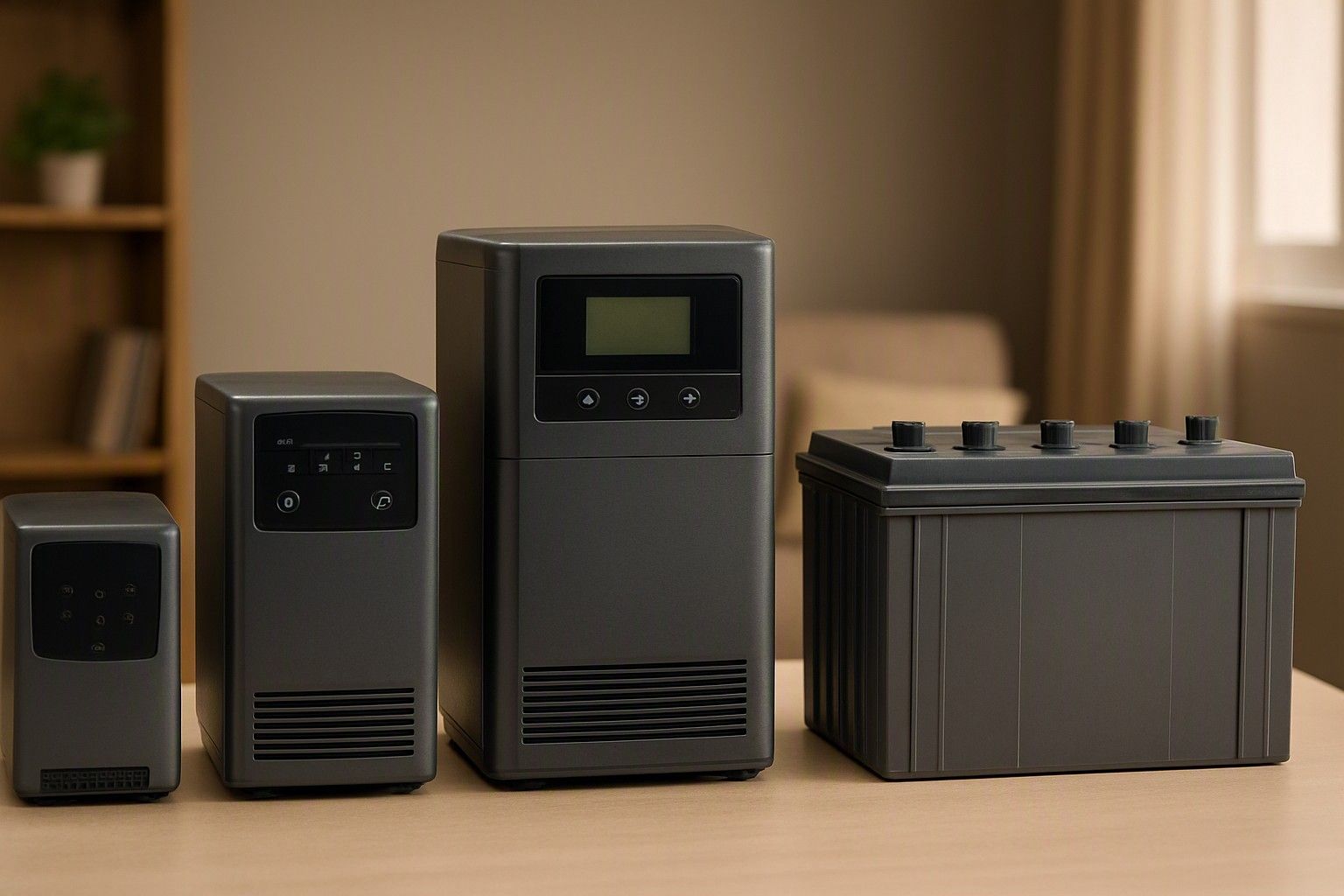
Buying a home inverter isn't one decision — it's a chain of them, and getting any single link wrong can leave you with weak backup or money spent on capacity you'll never use. You need to work out what an inverter actually does, what output your appliances tolerate, how much load you're running, which battery suits your usage, and what all of it should cost. Indian homes differ wildly here: a flat with two short cuts a week has nothing in common with a shop facing daily hours-long outages. This guide lays out every one of those choices in order, and points you to a focused walkthrough for each. Read it top to bottom and you'll know the shape of your own decision before you ever compare two listings.
How an Inverter Actually Powers Your Home During Cuts
Before anything else, it helps to know whether your household even has the kind of power problem an inverter is built to solve. This is a straightforward box doing a single job, and grasping that job reframes every later choice — including what it can't manage by itself. Start here to understand how an inverter and battery work together and decide whether backup is worth buying for your home at all.
Sine Wave vs Square Wave: Which Output Your Appliances Need
The waveform label on a listing isn't marketing filler — it decides whether your fridge, fans and electronics run cleanly or buzz, warm up and age faster on backup power. Many buyers see "pure sine wave" and "square wave" without ever being told what the difference costs them. This walkthrough explains which output your appliances actually require and where paying less is safe; see why pure sine wave matters for sensitive electronics before you commit.
Calculating the VA Capacity Your Household Load Demands
Choosing between something like 900 VA and 2000 VA comes down to what you'll actually run, not what a salesperson pushes. Undersize it and the inverter trips under load; oversize it and you've paid for headroom you don't need — the most frequent, most expensive slip buyers make. Work through the real arithmetic and learn how to size the VA rating for your appliances so your number fits your home.
Picking the Right Battery to Match Your Backup Needs
The battery, not the inverter, is where most of your long-term money goes — and it usually needs replacing first. Tubular, flat plate and lithium each strike a different balance of upfront cost, lifespan and how much maintenance you'll tolerate. Getting this pick wrong hurts more than choosing the wrong inverter, so compare tubular, flat plate and lithium battery options against how your home really draws power.
How Long Your Backup Really Lasts on One Charge
The backup hours printed on the box and the hours you actually get are rarely the same figure. What you run, your battery's true capacity, and its age and temperature all pull the real number down. Instead of guessing, estimate real backup hours for your load using the maths and the practical factors this guide breaks down.
Matching an Inverter to Frequent, Long Power Cuts
Homes and shops in tier-2 and tier-3 towns or rural belts often face cuts running four to ten hours, not the odd short trip — and an ordinary setup will run flat by evening. When load-shedding is routine, your sizing, battery choice and charging habits all have to shift. If long outages are your genuine problem, find the right setup for areas with heavy load-shedding; if your cuts are brief, this level of build is more than you need.
What You Should Pay: Price Bands and Value Check
Inverter prices in India span from ₹3,500 to ₹85,000, and where a quote falls in that spread tells you nearly as much as the spec sheet. If you're holding a number and just want to know whether it's fair, this is where to check it. Read what each band buys and check where today's inverter prices sit against history so you can judge value with confidence rather than instinct.
Installation, Maintenance and the Real Cost of Ownership
What you pay at checkout is only the opening figure. Fitting charges, periodic water top-ups, warranty terms and an eventual battery replacement all feed into what keeping your home powered truly costs over the years. To see those ongoing numbers laid out, plan for water top-ups, warranty and upkeep rather than budgeting for the sticker price alone.
Inverter Plus Battery or an Inverter Generator Instead
A battery inverter and a fuel generator aren't rivals so much as answers to different outage patterns — neither wins outright. How long your cuts run and how much load you need to carry usually settle it, not the badge on the unit. Before you spend, weigh a battery inverter against a generator and match the choice to the outages you actually face.
You now have the full map: what an inverter does, the output your appliances need, the capacity your load demands, the battery to pair with it, the backup you can realistically expect, and what all of it should cost to buy and keep running. Each linked guide takes one of these questions further when you're ready to settle it. Work through the ones that matter to your situation, and you'll walk into any inverter purchase knowing exactly what fits your home.

Comments
Be the first to comment.