Inverter Installation, Maintenance and Cost of Ownership
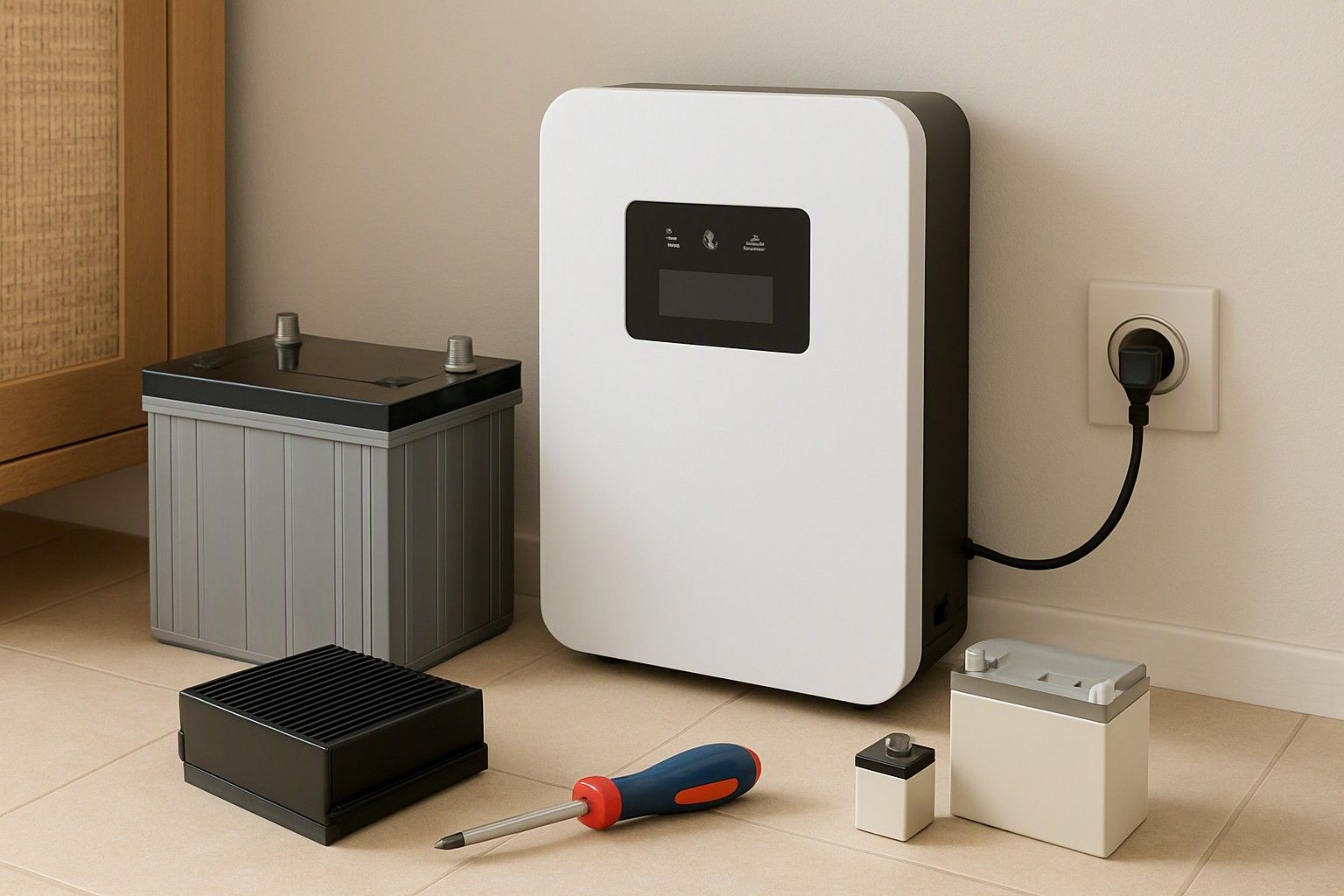
The price tag on any branded inverter is only part of what you'll pay for it. Installation charges, battery water top-ups, warranty conditions, and an eventual battery swap all add to the real cost of keeping your home powered through outages. If you're trying to figure out what ownership actually costs over the years — not just at checkout — this is where those numbers live.
Installation, Placement and Wiring Basics
Most inverters bought in India are installed by the dealer or an electrician the dealer arranges, and this is usually charged separately from the unit price — treat it as part of your budget, not an afterthought. Installation typically covers mounting the inverter and battery, running wiring to a sub-panel or select points in the house, and connecting the changeover so power switches automatically during a cut. For a straightforward home setup this is a few hours of work, but the final bill depends on cable length, whether new points need to be drawn, and how far the battery sits from the inverter unit.
Placement matters more than most buyers expect. The inverter and battery need a dry, ventilated spot away from direct sunlight and rain — a utility area, store room, or covered balcony corner works well, while damp basements or unventilated cupboards shorten battery life and can trip safety cutouts. Batteries, especially flooded lead-acid types, release gas while charging, so a sealed, airless cabinet is a genuine fire and health risk, not just an inconvenience. Keep the unit accessible too, since you'll need to check water levels, indicator lights, and connections periodically. If you're wiring only essential loads — lights, fans, a few plugs — rather than the whole house, decide this upfront with your electrician, since re-wiring later to add or remove circuits costs more than getting the layout right the first time.
Routine Maintenance and Battery Water Top-Ups
Ownership cost isn't just rupees — it's also the time and attention a battery demands. Flooded lead-acid batteries, still the most common type at the lower end of the market, need their water levels checked every few weeks and topped up with distilled water when low, never tap water, which introduces minerals that damage the plates. Skipping this is the single most common reason batteries die early, well before their rated life. Terminals should be cleaned periodically to prevent corrosion, and the area around the battery should stay free of dust and moisture.
Tubular batteries need less frequent topping up than flat-plate flooded types but still require it, while sealed maintenance-free and lithium-based batteries need no water top-ups at all, trading a higher upfront price for far less routine effort. This difference in upkeep is one of the clearest ways battery chemistry affects what you'll actually deal with month to month, and it's worth reading how upkeep differs across battery chemistries before you commit to a type, especially if you know you won't reliably remember maintenance chores. Beyond the battery, maintenance on the inverter unit itself is minimal — keeping vents unblocked and checking that display indicators and connections look normal is usually enough. There's no meaningful ongoing cost here beyond the water and occasional terminal cleaning.
Warranty Terms and What Voids Them
Inverters and batteries in India are typically sold with separate warranties — the electronics unit often carries one coverage period and the battery another, sometimes from different manufacturers entirely. Read both cards, not just the box the retailer hands you, since claims are processed against the specific serial number and dealer who installed it, and losing that paperwork is a common reason people end up paying full replacement cost later.
A few things reliably void coverage. Installing the unit yourself or through an unauthorized electrician instead of the brand's listed network is one of the most common voiding actions, since brands tie warranty validity to their own installation records. Using tap water instead of distilled water in a flooded battery, running the battery dry, or letting it stay in a deep-discharged state for extended periods also voids battery warranty in most cases, because these count as user neglect rather than manufacturing defect. Physical damage, tampering with seals on sealed batteries, and using the inverter for loads beyond its rated capacity are similarly excluded. Overloading is worth flagging specifically — it doesn't just void warranty, it can damage the inverter's internal components outright, turning a covered issue into an out-of-pocket repair. Keep your purchase invoice and installation receipt together; most warranty claims stall not because of the fault itself but because the paperwork proving purchase date and authorized installation is missing.
Battery Replacement and Long-Term Running Costs
A battery is almost never the last purchase you make on an inverter system — it's a recurring one. Flooded lead-acid and tubular batteries commonly last a few years under regular use before capacity drops enough to need replacement, and that replacement cost is a meaningful fraction of what you paid for the original setup, not a token expense. Sealed and lithium batteries generally last longer and need replacement less often, which is part of why they command a higher price at purchase — you're paying upfront for what flooded battery owners pay again later.
Across the market, prices span ₹3,500 to ₹85,000, with the average sitting around ₹14,000, and budget tiers roughly at ₹5,500, ₹12,000, and ₹25,000. A battery replacement often falls within these same bands, meaning your total cost of ownership over several years can approach or exceed the original inverter price once you count one or two battery swaps. This is exactly why it pays to factor replacement cycles into your total budget rather than judging a system purely on its day-one sticker price. A cheaper unit with a short-lived battery can cost more over time than a pricier one with a longer-lasting battery, and that math only shows up if you look past the first purchase.
Safety Checks and Red Flags Before You Commit
Before you finalize installation, a few checks protect both your safety and your wallet. Confirm the earthing at the installation point is proper and tested — inverters and batteries carry real electrical load, and poor earthing is a shock and fire risk that's easy for an installer to skip if you don't ask. Check that the battery sits on an insulated stand rather than directly on a bare floor, and that the room has some ventilation, even a small vent or gap, since flooded batteries release gas during charging that needs somewhere to go.
Watch for red flags during and after installation: wiring left exposed or unsecured, a changeover switch that doesn't cleanly cut mains power before switching to battery, or an installer who can't explain the load capacity your wiring supports. If the inverter hums loudly, the battery case feels warm to the touch beyond a mild warmth, or you smell anything acidic near a flooded battery, these are signs of a problem that needs attention immediately, not signs to wait and watch. Also confirm in writing what the installation charge covers — some dealers quote a low unit price and add substantial wiring or cabling charges afterward, so ask for an itemized estimate before work begins rather than after the bill arrives.
Installation charges, battery water discipline, warranty fine print, and an eventual battery swap all sit alongside the purchase price as real, recurring parts of owning an inverter — and now you know roughly what each one demands. None of this should push a decision further out; it's information to carry into the decision, not a reason to delay it. If you haven't finalized which system fits your home yet, it's worth going back to account for lifetime cost inside your final choice so the number you budget for is the one you'll actually pay over the years, not just on day one.
Comments
Be the first to comment.