How to Choose a Smart TV for an Indian Home: Size, Panel, Software and Service Decoded
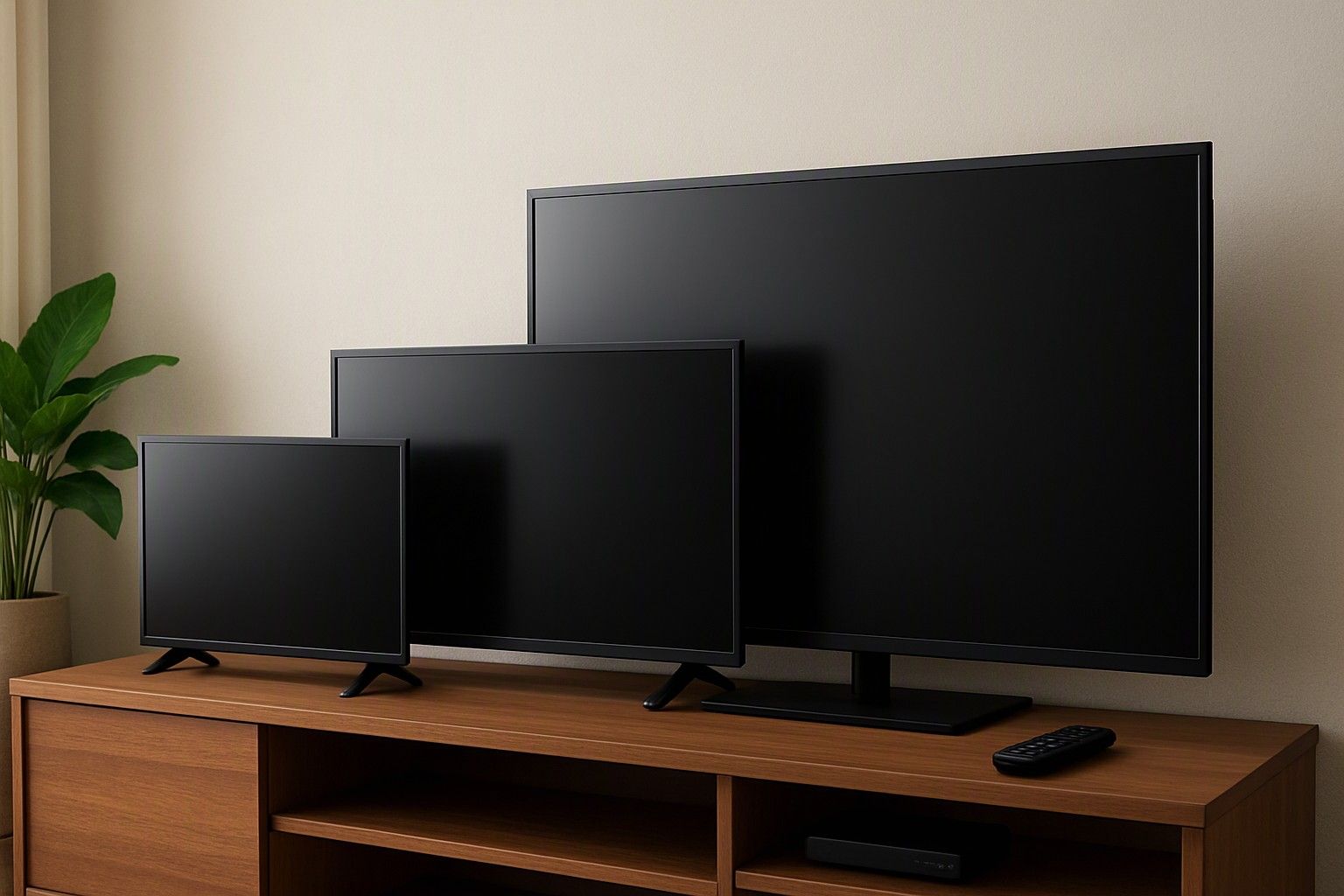
Buying a smart TV in India means making a series of small decisions, and getting one wrong can spoil an otherwise good purchase. This guide walks through them in the order most households face them. First, whether you need a new set at all. Then size, resolution, panel, software, spec sheets, living with a DTH box, budget and after-sales support. Each section gives you the short answer and points to a detailed article when you want to go deeper.
Do You Need a New Smart TV, or Will a Streaming Stick Do?
Before spending on a fresh set, check what is actually wrong with the current one. If the panel still looks crisp and only the apps are missing or sluggish, a plug-in device can carry it for a few more years. A screen that has dimmed or feels too small is a different story, because adding a stick there only delays the purchase. This guide explains whether a plug-in streaming stick can revive the TV you already own and when replacing it outright is the wiser call.
Matching Screen Size to Your Room and Seating Distance
Showroom walls make every screen look modest, which is why so many buyers misjudge size. Three things settle it at home: seating distance, the width of your wall or TV unit, and the panel's resolution. Compact bedrooms and 1BHK living areas often suit a smaller set than you expected, though occasionally the right answer is a step bigger. Measure first, then see how far your sofa sits from the wall decides between 43, 55 and 65 inches.
HD, Full HD or 4K: Does Resolution Matter for What Indians Actually Watch?
A household that spends most nights on DTH channels, with OTT apps as an occasional extra, will not see the full benefit of a higher pixel count. The gap between HD Ready, Full HD and 4K matters most on smaller screens like 32 and 43 inches, where the choice is genuinely open. This article looks at what broadcasters send and what streaming apps deliver, then explains when 4K is worth paying for over Full HD on cable and OTT content.
LED, QLED, Mini LED and OLED Panels for Sunlit Indian Living Rooms
Daylight pouring through windows changes which panel makes sense. For long hours of news and cricket in a bright room, a standard LED usually copes, and QLED or Mini LED is the natural upgrade if you want more punch. OLED shines after dark but brings compromises when the sun is out, so it deserves more thought. Here is which panel technology holds up in a bright, sunlit hall.
Google TV, Tizen, webOS and Budget-Brand Software Compared
Two TVs with identical panels can feel completely different to use. The operating system controls the app store, the number of ads on the home screen and how sluggish things get after several years. This comparison sets hardware and pricing aside and looks only at Google TV, Tizen, webOS and the platforms budget brands ship. It covers how each TV platform handles regional-language apps and long-term updates, so you can pick one that suits how your family searches and watches.
Reading the Spec Sheet Without Falling for Marketing Numbers
Online listings love big figures such as an '80W' speaker rating or a 'MEMC 120Hz' badge, and few shoppers can tell which ones affect real viewing. This guide sorts the numbers that change picture, sound and daily use from those that mostly decorate the product page. Keep your shortlisted listing open in another tab while you read about which brightness, refresh-rate and speaker-wattage claims are inflated.
Living With a DTH Set-Top Box and a Smart TV Together
Plenty of homes still rely on a dish for serials, news and live matches, and that feed can look blurry once it is stretched across a big 4K screen. How bad it gets varies with your set-top box, which channel is playing and a few settings you can adjust yourself. This article explains the causes, the fixes that genuinely help, and making a Tata Play or Airtel box look sharp on a large smart TV, with a single uncluttered remote arrangement.
What Your Budget Buys, from ₹6,999 to ₹3,00,000
Smart TVs here span ₹6,999 to ₹3,00,000, with the average sitting at ₹35,000. Most of that spread comes down to size, processing and the type of panel. Each budget band is broken down into its strengths, its compromises and how to tell whether a quoted price is fair, so you can buy with confidence now. Start with what changes as you move from ₹12,000 into ₹65,000.
Panel Warranty, Wall Mounting and Service Reach After You Buy
The screen is the costliest component to fix, and a panel failure outside cover can cost almost as much as buying another TV. That makes after-sales checks part of the purchase itself. Consider whether extended cover earns its price, what mounting and installation really add, and whether the brand has technicians who reach your town. Before you pay, read why the panel warranty and nearest service centre deserve a check at checkout, along with what to inspect when the set arrives.
You now have the full route: whether to replace at all, then size, resolution, panel, software, specs, DTH setup, budget and service. Work through the questions that apply to your home, open the detailed articles where you are unsure, and you can pick a smart TV today knowing why it fits your room and your viewing.

Comments
Be the first to comment.