How to Choose a Humidifier for Dry Winters, AC Rooms and Hard Water
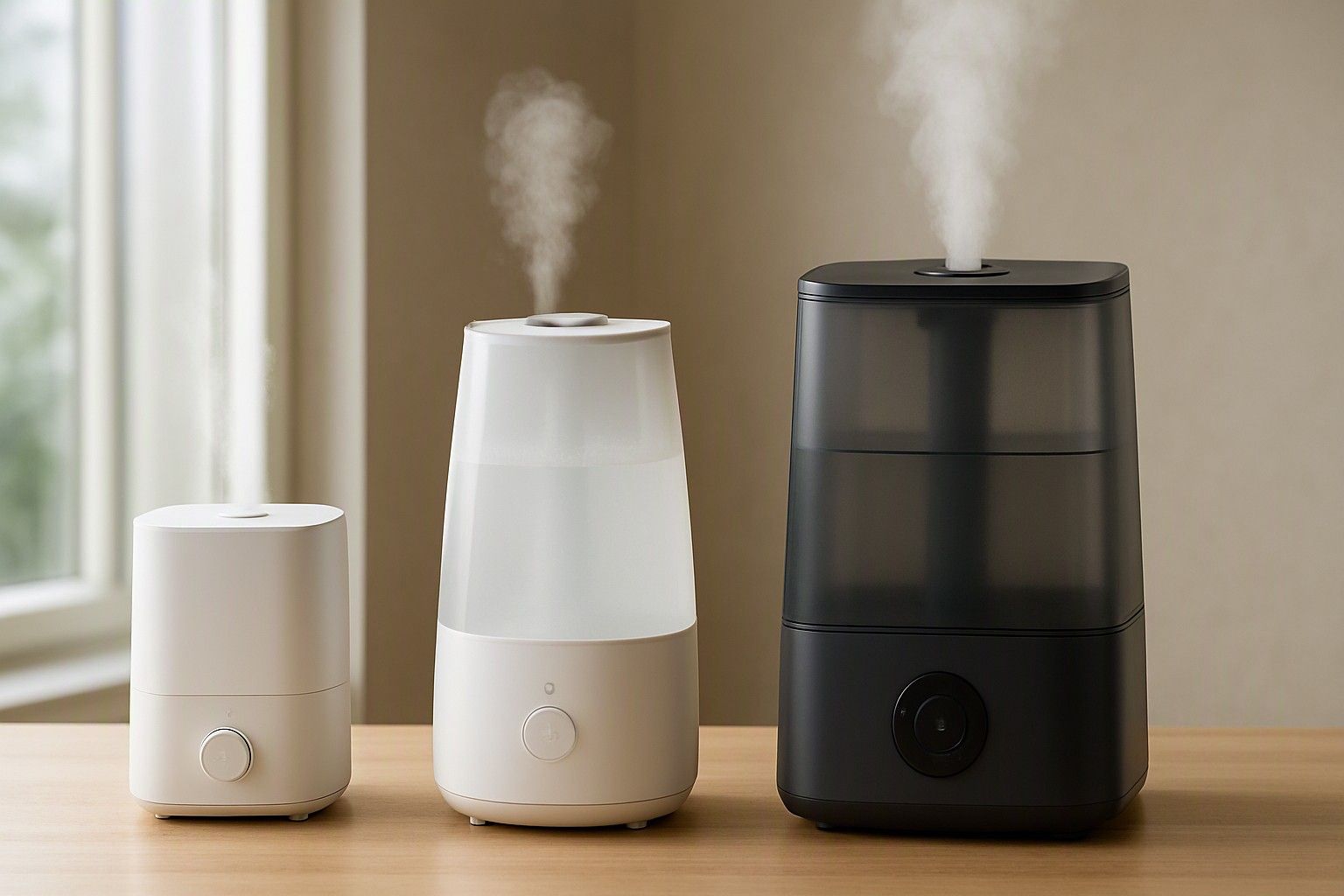
In much of India a humidifier is a situational purchase. It earns its place only in certain cities, seasons and rooms, so the first decision is whether you need one at all. After that, the choice narrows step by step: how it differs from an air purifier or a steam vaporizer, which mist mechanism suits your water supply, how much output your room needs, which controls prevent over-humidifying, and what a sensible price looks like. Owning one also brings cleaning work and a real mould risk if it is misused, so those belong in the decision too. Each section below sets out one of these questions and points you to a detailed guide on it.
Is the Air in Your Home Dry Enough to Need One?
India's climate makes this a genuine question, because large parts of the country stay muggy for months at a stretch. The households that typically benefit are in the north's plains and hill towns during the cold months, along with people who sleep every night with the AC on and the doors shut. Coastal homes, and almost anyone during the rains, rarely have a reason to buy one. Before spending anything, check whether your city and season really call for added moisture.
Dry Air or Polluted Air: Fixing the Right Problem in Smog Season
Across Delhi-NCR and the wider northern belt, winter often brings haze and cracked lips together, and it is tempting to expect one appliance to handle both. It won't. Adding moisture does nothing about particulates, and filtering the air does nothing about dryness. To match the machine to the symptom that bothers you most, or to plan for running the pair, read how a humidifier and an air purifier divide the work in winter.
When a Steam Vaporizer Is the Better Buy for Blocked Noses
Plenty of Indian homes already keep a steam vaporizer for colds, which raises a fair question: is a room humidifier just a bigger version of it? It isn't. A vaporizer gives you a short, hot burst you breathe in directly, while a humidifier works slowly on the whole room over many hours. For a stuffy nose and cough, this guide explains where a steam vaporizer beats a room humidifier for congestion and when keeping both makes sense.
Ultrasonic, Evaporative or Warm Mist: Picking the Mechanism
The mechanism inside the unit shapes almost everything about living with it. It determines how much maintenance you take on, whether minerals in your supply settle around the room as a fine powder, how much sound you hear at night and what it adds to your electricity bill. With your water source and daily routine in mind, use this guide to compare how each mist technology behaves in an Indian bedroom.
Your Water Supply Decides More Than You Think
If limescale builds up inside your kettle, expect the same minerals to cause trouble in any brand of humidifier. Whether ordinary supply is fine to pour in depends on how mineral-heavy it is and on the design of the machine, and some designs tolerate it far better than others. This guide covers when RO or distilled water becomes necessary and explains what hard tap and borewell water leaves on your furniture.
Matching Mist Output and Tank Size to Your Room
Spec sheets list tank litres and mist rate separately, but the two only make sense read together. A compact bedroom of around 120 sq ft gets by on gentle output, as long as the reservoir lasts until morning. A spacious living area or open layout needs more mist, and that in turn calls for a bigger tank. Use this guide to size the tank and mist rate to your room's square footage.
Controls That Stop a Room From Getting Too Humid
Not every control listed on the box is worth paying extra for. If you plan to leave the unit running while you sleep, automatic shut-off and a proper humidistat matter. For short sessions while someone is in the room, a cut-off that triggers when the reservoir runs dry is usually adequate. This guide explains which controls like a built-in hygrometer earn their price and which mostly inflate the bill.
Extra Checks When the Humidifier Is for a Baby's Room
Parents can run a humidifier near a newborn during the cold months, but the conditions are strict. That means a daily tank wash, a spot well clear of the cot, and a cool-mist model only. This guide covers the safety points that matter around infants and toddlers, including the humidity range to aim for. It is no substitute for a doctor's advice if your child is already ill.
What a Fair Price Looks Like Between ₹4,500 and ₹35,000
A sticker price means little until you know what it pays for. Indian listings stretch from ₹4,500 to ₹35,000 and average about ₹12,000. The spread is explained by running cost, controls, capacity and mechanism rather than the figure alone. Use this guide to judge whether the price tag in front of you is reasonable and buy with confidence.
Avoiding Damp Walls and Mould After You Buy
Mould and damp patches linked to humidifiers rarely come from a defective machine. They come from the way it is run. A stale, musty odour or air that feels clammy is an early warning worth acting on. This guide lists the habits that turn a humidifier into a mould problem that are common in Indian households, along with how to steer clear of each.
Cleaning Effort and Running Costs Over a Season
Wicks or cartridges typically need replacing about once a season. How often you descale depends on the mineral load of your water. On top of that, the tank needs rinsing every day and a thorough scrub every seven days. Before committing, look at the weekly cleaning and filter spend to budget for, from the first fill to storing the unit once the dry months end.
You now have the full sequence: whether you need a humidifier, what it can and cannot fix, which mechanism and size fit your home and water, which controls and price make sense, and what owning one demands afterwards. Work through the questions that apply to you, follow the guides where you need more detail, and you can choose with confidence today.

Comments
Be the first to comment.